
Canada · First national park trip
Canada National Parks First-Time Guide
A first national park visit works best when the logistics are visible before the scenery takes over: entry, reservations, roads, weather, wildlife and a day plan that can shrink.
- Region
- Canadian national parks
- Best for
- International visitors, new residents and families planning a first park visit
- Season
- Late spring through early autumn is simplest for many parks; each park and season requires current checks
- Time
- One day to one week
By Horizon Outdoor Editorial TeamPublished 2026-08-30
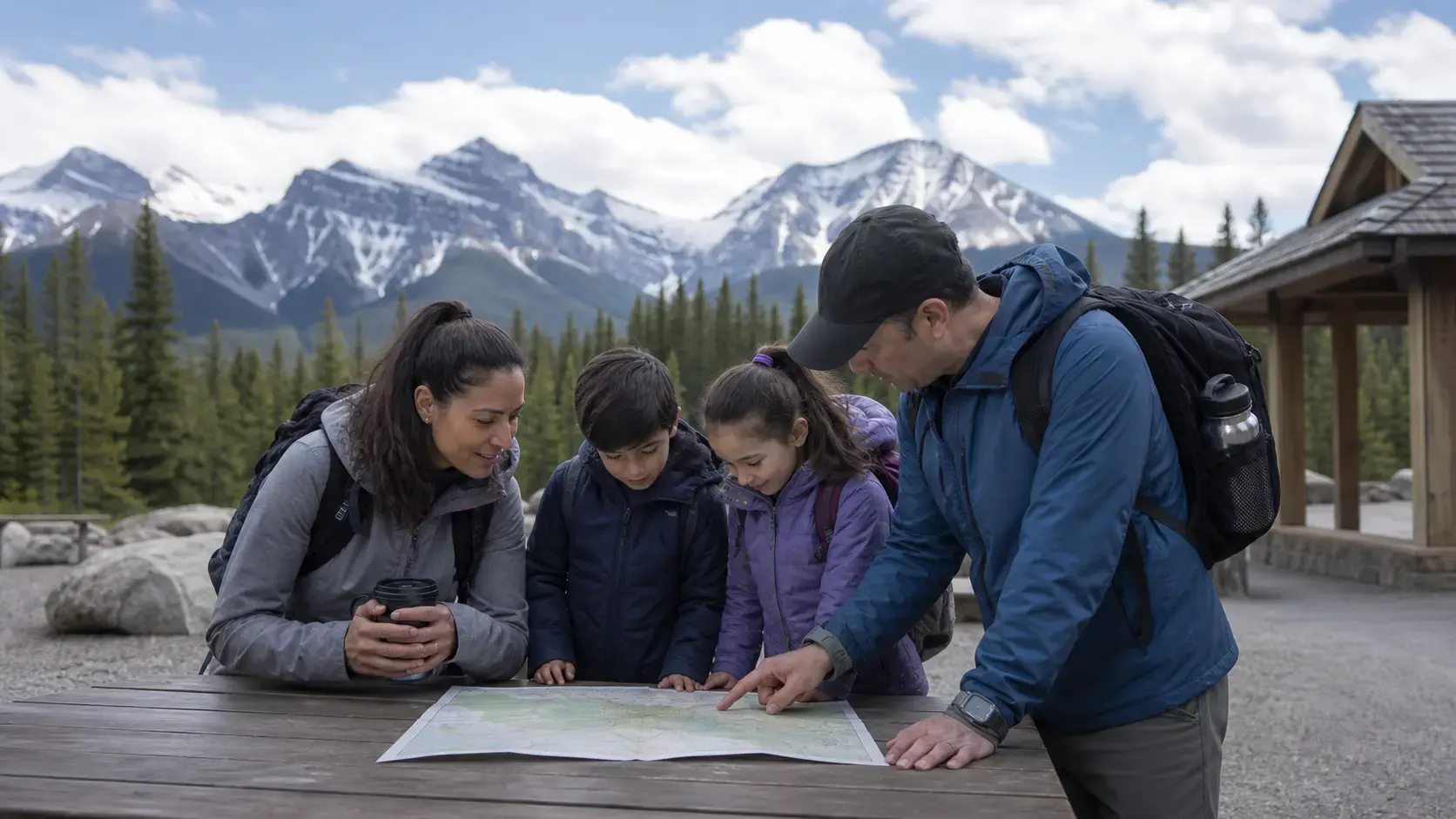
Quick facts
- Start here
- Choose one park region, not a cross-country list
- Before booking
- Check pass, reservation, road and seasonal service requirements
- Daily plan
- One anchor activity plus one flexible backup
- Safety rule
- Official park notices override old itineraries
Choose one park region first
Canada’s national parks are spread across a very large country. A first trip becomes easier when you choose one region—such as the Canadian Rockies, Vancouver Island, Atlantic Canada or a park close to your arrival city—instead of trying to connect famous places from opposite sides of the map.
Start with your arrival airport, driving comfort, number of nights and season. Then choose the park that makes the whole trip coherent, not only the one with the loudest photos online.
- Rockies first trip: Banff, Jasper and the Icefields Parkway with enough days
- Pacific coast first trip: Pacific Rim and Vancouver Island logistics
- Atlantic first trip: Fundy, Cape Breton Highlands or PEI with coastal pacing
- Short visit: choose a park near your base city
Handle passes and reservations before the fun details
National park entry, camping, shuttles, popular access points and certain activities can require advance planning. The rules vary by park, date and activity, so the safest approach is to use Parks Canada and official reservation channels before relying on a general guide.
Do not build the trip around a screenshot or an old blog post. If the official page changes, the itinerary changes.
- Check current pass or fee requirements
- Confirm camping, shuttle, trail or activity reservations
- Read cancellation and arrival details before paying
- Save confirmation details offline
Plan the road to the park as part of the park day
Many national park mistakes happen before the trailhead: a late city exit, a mountain road closure, a ferry delay, a missed fuel stop or a first day that asks children to sit too long before doing anything enjoyable.
Use official road information for the province you are driving in, and keep the first park day light. Arrival, orientation, groceries, layers and a short walk can be a complete first day.
- Check DriveBC or Alberta 511 where relevant
- Add ferries, shuttles and parking rules to the timing
- Avoid a long drive plus a long hike on day one
- Keep food, water and layers accessible during the approach
Let season and weather choose the activity
A park can feel like a different place by elevation, coast, valley, wind, rain, heat, smoke or snow. Check the forecast for the destination, not only the nearest big city, and read park bulletins before committing to the day.
The simplest first-visit rule is to choose lower-effort activities when conditions are uncertain. A short walk, visitor centre, scenic pullout or town reset is a better family decision than forcing the planned hike into bad weather.
- Check weather alerts before departure
- Carry warmth and rain protection even in shoulder seasons
- Use shorter routes when daylight or visibility is limited
- Choose indoor or town alternatives when conditions no longer fit
Respect wildlife and water from the first day
Wildlife and water are two reasons people remember Canadian parks, but they are also where casual behaviour becomes risky. Follow Parks Canada guidance, keep distance from wildlife, control food and follow closures.
Near beaches, lakes, rivers and waterfalls, keep children under active supervision. Tide, surf, cold water, fast current and slippery rocks are not background details; they decide whether the activity fits your group today.
- Never feed wildlife or approach for a photo
- Keep food, scented items and garbage controlled
- Stay behind barriers and obey posted water warnings
- Change plans when tide, surf, current or weather is unsuitable
Use a first-day itinerary that can shrink
A strong first park day is intentionally simple: arrive, check official notices, orient the family, eat before everyone is tired and choose one short activity. If energy remains, add one optional stop.
This approach is not less ambitious. It protects the rest of the trip. Families and first-time visitors usually enjoy parks more when the first day proves the place can feel manageable.
- Morning: official checks, food, water and layers
- Arrival: visitor information or map review
- Main activity: one short walk, viewpoint or beach edge
- Backup: town stop, indoor interpretive space or early return
Common planning mistakes
- Trying to visit too many national parks in one first trip
- Booking accommodation before checking entry, reservation and access requirements
- Using city weather as if it describes a mountain, coast or valley park
- Treating wildlife sightings as a reason to stop unsafely
- Planning a hard hike before the group understands the park’s conditions
Printable companion
Download the Canada road trip checklist
A printable list for documents, driving, weather layers, park days and the essentials worth keeping within reach.
Download the free PDFQuestions travellers ask
Which Canadian national park should I visit first?
Choose by arrival city, season and available days. Banff is the classic first Rockies choice, Pacific Rim suits Vancouver Island coastal trips, and Fundy or Cape Breton Highlands can work well for Atlantic road trips.
Do I need reservations for Canadian national parks?
You may need reservations for camping, shuttles, popular access points or certain activities. Check Parks Canada for your exact park, date and activity before booking the rest of the trip.
Is one day enough for a national park?
One day can introduce a park near your route, but two or more days are better when the park requires a long drive, ferry, shuttle or weather-dependent activity.
What should first-time visitors pack?
Bring water, food, layers, rain protection, sun protection, navigation, phone power, first aid, medication and park-specific items based on official notices.
Sources and currency
Conditions change. Confirm dynamic details again before departure; each source shows its own last-checked date.
- Parks Canada: Plan your national park visit (2026-08-30)
- Parks Canada: Parks Canada reservations (2026-08-30)
- Parks Canada: Visitor safety in national parks (2026-08-30)
- Parks Canada: Wildlife safety guidance (2026-08-30)
- Parks Canada: Pacific Rim tides, waves and water hazards (2026-08-30)
- DriveBC: Current road conditions, events and highway cameras (2026-08-30)
- Government of Alberta: Alberta road conditions (2026-08-30)
- BC Ferries: BC Ferries schedules, bookings and current conditions (2026-08-30)
- Environment and Climate Change Canada: Weather forecasts and active alerts for Canada (2026-08-30)
Continue planning
Related field guides
Canada · Family park planning
Best Canadian National Parks for Families
The best family national park is not always the most famous. It is the one your group can reach, understand and enjoy without turning every day into a test of endurance.
Open the guide
Canada · Drive-in park planning
Canadian National Parks by Car
A drive-in national park trip still needs real planning. The car gets you close, but passes, roads, shuttles, parking, wildlife and weather decide how the day actually works.
Open the guide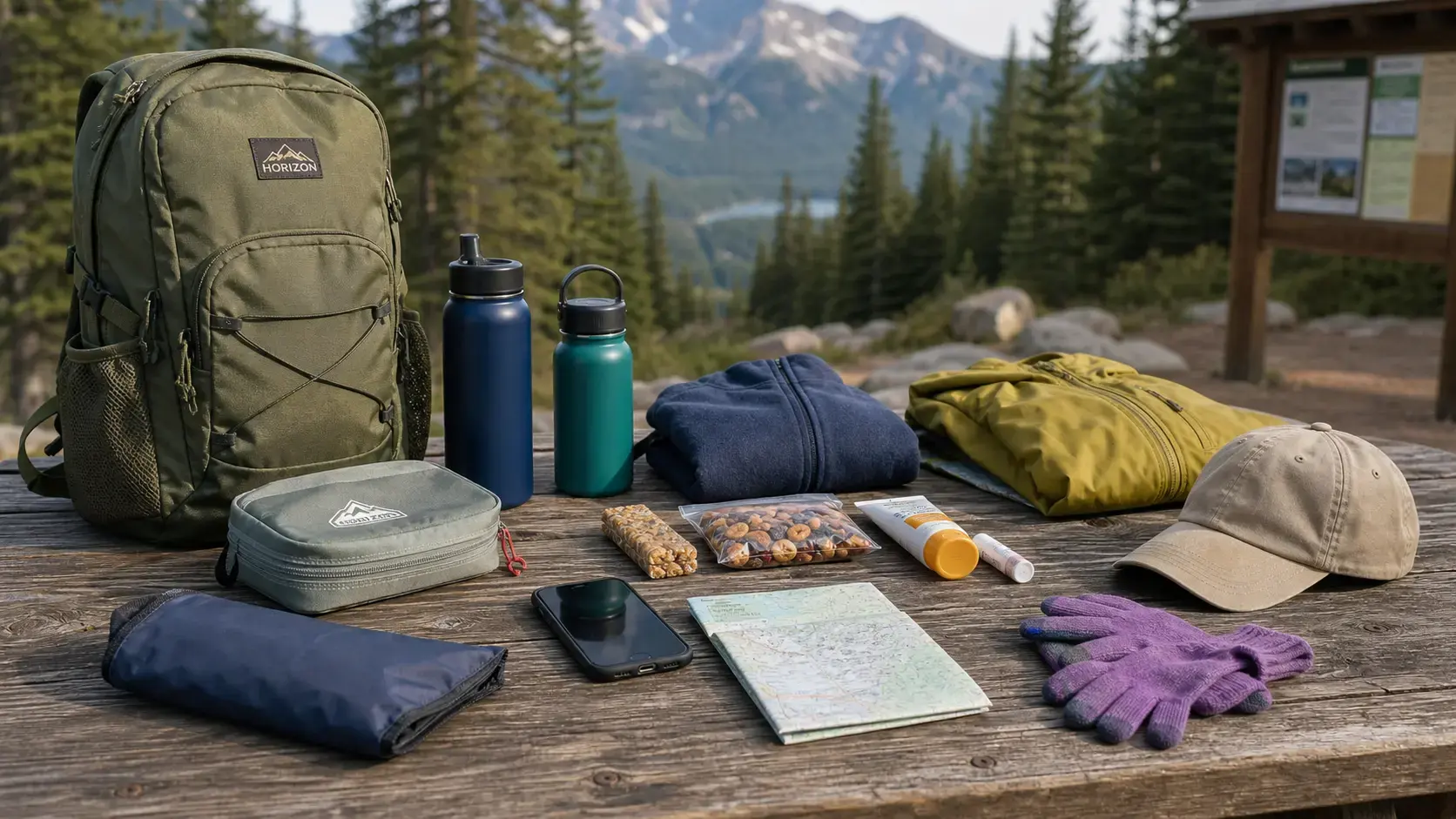
National parks · Day bag system
Canada National Park Day Bag Checklist
A good national park day bag is small enough to carry and organized enough to solve the ordinary problems that end good days early.
Open the guide