
National parks · Day bag system
Canada National Park Day Bag Checklist
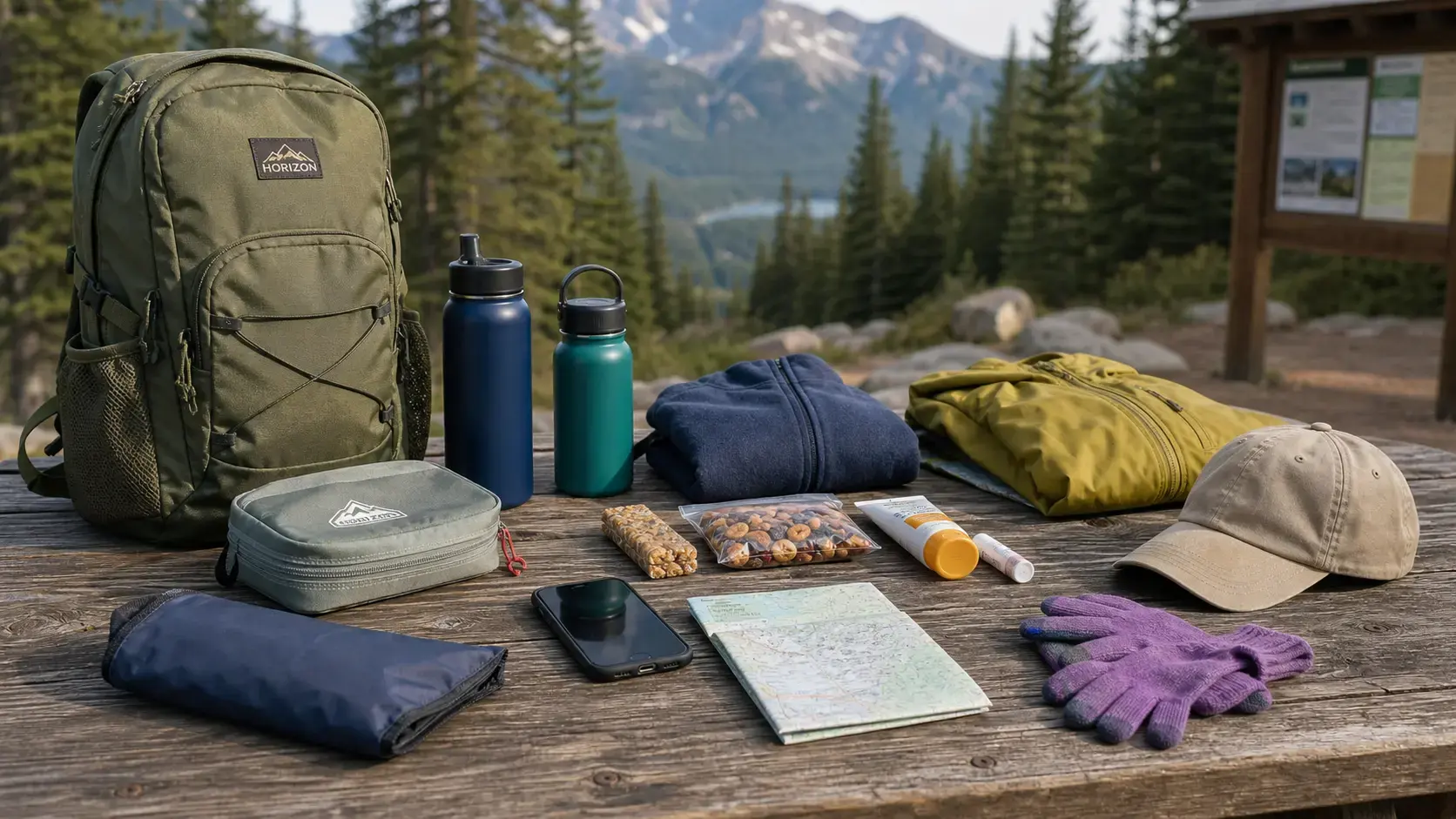
A good national park day bag is small enough to carry and organized enough to solve the ordinary problems that end good days early.
- Region
- Canadian national parks
- Best for
- Families, first-time park visitors and road trippers
- Season
- Year-round; adjust for the park, weather, elevation, coast, wildlife context and official notices
- Time
- 10 to 20-minute packing review before a park day
By Horizon Outdoor Editorial TeamPublished 2026-08-30
Quick facts
- Core rule
- Carry the items that keep the day safe, warm, fed and adjustable
- Best bag size
- Small enough to carry all day and organized by access
- Before leaving
- Check official park bulletins, weather and route conditions
- Family version
- Adults carry essentials; children carry only light comfort items
Give the day bag one clear job
The day bag is not a small suitcase. Its job is to keep water, food, layers, safety basics, navigation and personal essentials reachable while the car, hotel room or campground is out of reach.
In Canadian national parks, that reachability matters because weather, distance, wildlife notices, road conditions and services can change the feel of a simple day. Pack for the day you can adapt, not the perfect itinerary.
- Water and food for the planned outing plus a modest reserve
- Warm layer, rain shell, hat and sun protection
- Navigation, phone, power and official route information
- Medication, first aid, tissues and waste pouch
Start with water, food and layers
Most day-bag failures are ordinary: someone gets cold, hungry, thirsty, sunburned or uncomfortable before the activity is finished. Put water, snacks and layers near the top of the bag so they are used early, not discovered after the mood has changed.
Families should pack by responsibility. Adults carry the critical items, while children can carry a small comfort layer or snack only if it does not replace the adult kit.
- Water bottle for each adult and a child-friendly way to drink
- Simple snacks that work without a full picnic setup
- Warm mid-layer, rain shell and dry child layer when conditions justify it
- Sun hat, sunscreen and sunglasses for exposed routes
Keep safety basics boring and accessible
A useful day bag does not need to look dramatic. A small first-aid kit, personal medication, whistle, light, dry pouch and emergency layer are enough for many easy park days when the route is short and conditions are suitable.
Do not let the presence of gear justify a route that is wrong for the group. If a trail, beach, road or weather system requires expertise you do not have, the correct packing decision is to change the plan.
- Small first-aid kit and personal medication
- Whistle, small light and emergency warmth item
- Dry pouch for phone, keys and important documents
- Waste pouch for wrappers, tissues and damp items
Adjust for wildlife, water and weather
A Rockies day, a Pacific coast beach day and an Atlantic tide day do not need the same bag. Check the specific park’s guidance and add the items that match the real hazard: more warmth, better rain protection, sun protection, tide awareness or a shorter route.
Wildlife safety starts with behaviour, not equipment. Keep food controlled, never feed animals, follow closures and give wildlife space. Near water, keep children close and change the plan when conditions no longer fit your group.
- Coastal park: rain shell, dry bag, warm layer and tide or wave checks
- Mountain park: extra warmth, sun protection and road/weather checks
- Family beach or lake stop: active supervision and a land-based backup
- Wildlife area: food secured and distance respected
Organize the bag by access
The best packing list still fails if the items cannot be found. Put frequently used items near the top, safety and medical items in a consistent pocket, wet or dirty items in a separate pouch and documents or valuables in a dry zone.
After the park day, reset the bag. Refill water, restock snacks, dry out layers and replace anything used from the first-aid kit. This habit matters more than buying a larger bag.
- Top pocket: snacks, tissues, sunscreen and small comfort items
- Main pocket: layers, food and family supplies
- Fixed pocket: first aid, medication, whistle and power bank
- Dry pouch: phone, wallet, keys and documents
Use a simple checklist before every park day
Ten minutes before leaving, run through the same sequence: official notices, weather, water, food, layers, navigation, safety items and family-specific needs. If one item is missing, adjust the day before the trailhead.
The goal is not perfection. The goal is a bag that lets you stay warm, hydrated, fed, informed and ready to turn around calmly.
- Official park notices checked
- Weather and road conditions checked
- Water, snacks and layers packed
- Map, phone, power and return plan ready
- Medication, first aid and child needs confirmed
Common planning mistakes
- Packing the bag for comfort items while leaving water, layers or medication hard to reach
- Using a phone map without saving official information offline
- Treating one national park checklist as correct for every coast, mountain, prairie or tide setting
- Letting gear create false confidence for a route that exceeds the group’s ability
- Forgetting to reset the bag after snacks, first aid or dry layers are used
Printable companion
Download the family road trip checklist
A printable family list for car comfort, weather changes, food stops, simple outdoor days and backup plans.
Download the free PDFQuestions travellers ask
What should I pack in a Canadian national park day bag?
Start with water, snacks, warm and rain layers, sun protection, a simple first-aid kit, personal medication, navigation, phone power, dry pouch and any child-specific essentials.
Do children need their own day bags?
Children can carry light comfort items, but adults should keep critical supplies such as water reserve, medication, navigation, first aid and weather layers under control.
Is this checklist enough for backcountry hiking?
No. This checklist is for easy park days and road-trip stops. Backcountry, winter, avalanche, remote coastal and technical routes require park-specific planning and appropriate expertise.
Should I bring bear spray?
Follow the specific park’s wildlife guidance and learn legal, safe use before carrying any deterrent. Do not treat gear as a substitute for distance, food control and official instructions.
Sources and currency
Conditions change. Confirm dynamic details again before departure; each source shows its own last-checked date.
- Parks Canada: Plan your national park visit (2026-08-30)
- Parks Canada: Visitor safety in national parks (2026-08-30)
- Parks Canada: Wildlife safety guidance (2026-08-30)
- Parks Canada: Pacific Rim tides, waves and water hazards (2026-08-30)
- AdventureSmart: Outdoor essentials for trip planning (2026-08-30)
- AdventureSmart: Trip plan guidance (2026-08-30)
- BC Parks: BC Parks staying safe guidance (2026-08-30)
- DriveBC: Current road conditions, events and highway cameras (2026-08-30)
- Government of Alberta: Alberta road conditions (2026-08-30)
- Environment and Climate Change Canada: Weather forecasts and active alerts for Canada (2026-08-30)
Continue planning
Related field guides
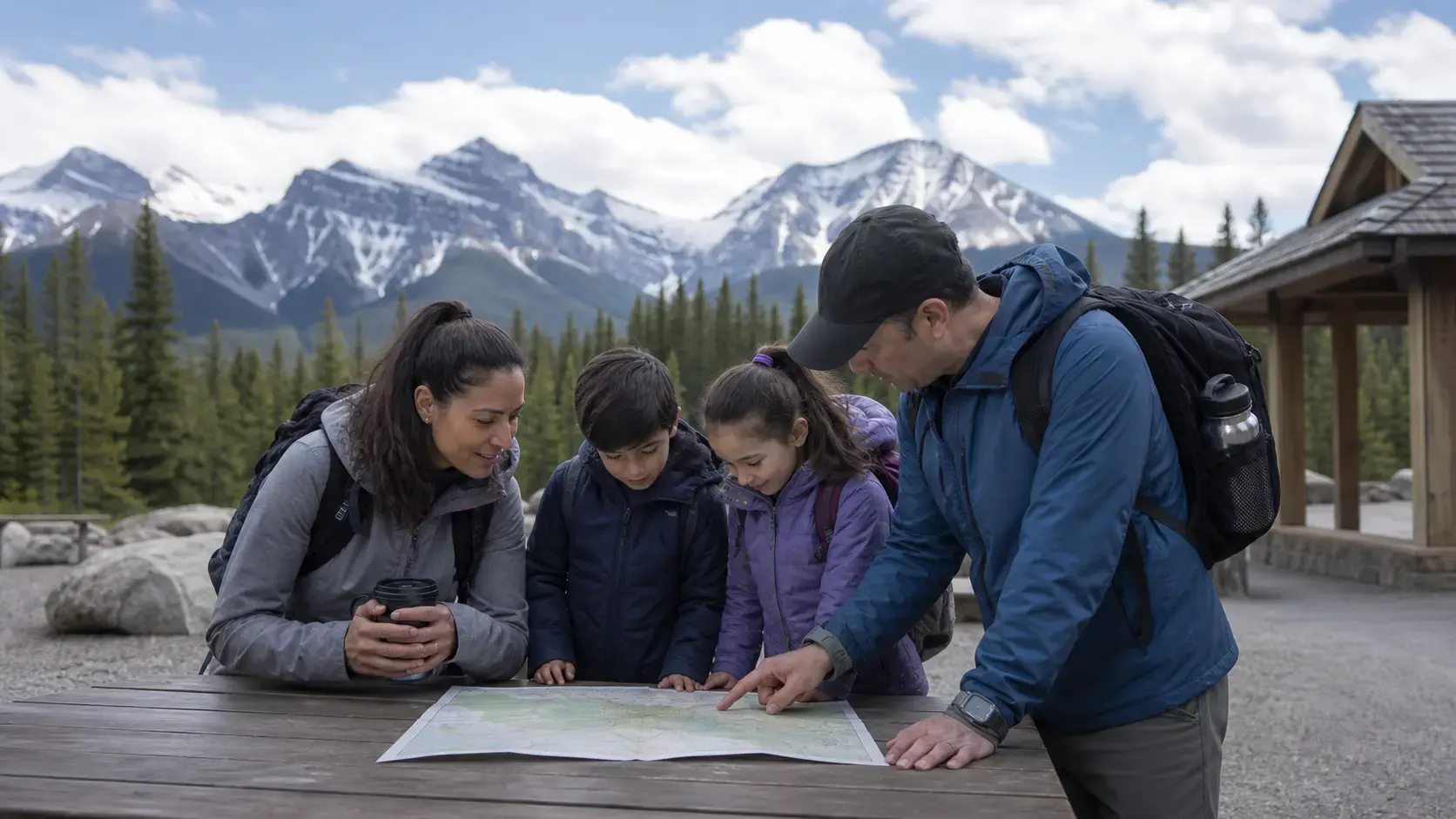
Canada · First national park trip
Canada National Parks First-Time Guide
A first national park visit works best when the logistics are visible before the scenery takes over: entry, reservations, roads, weather, wildlife and a day plan that can shrink.
Open the guide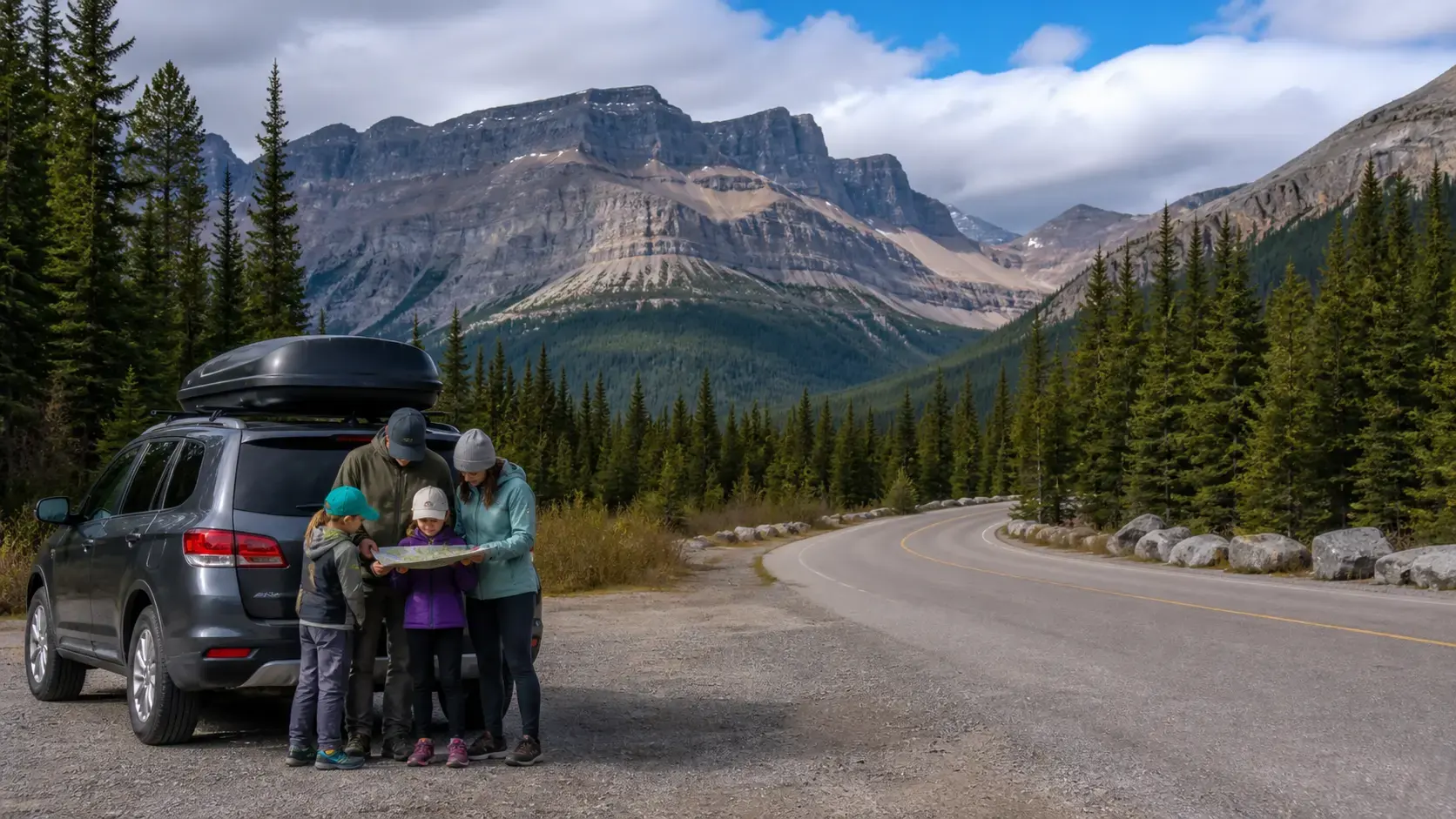
Canada · Drive-in park planning
Canadian National Parks by Car
A drive-in national park trip still needs real planning. The car gets you close, but passes, roads, shuttles, parking, wildlife and weather decide how the day actually works.
Open the guide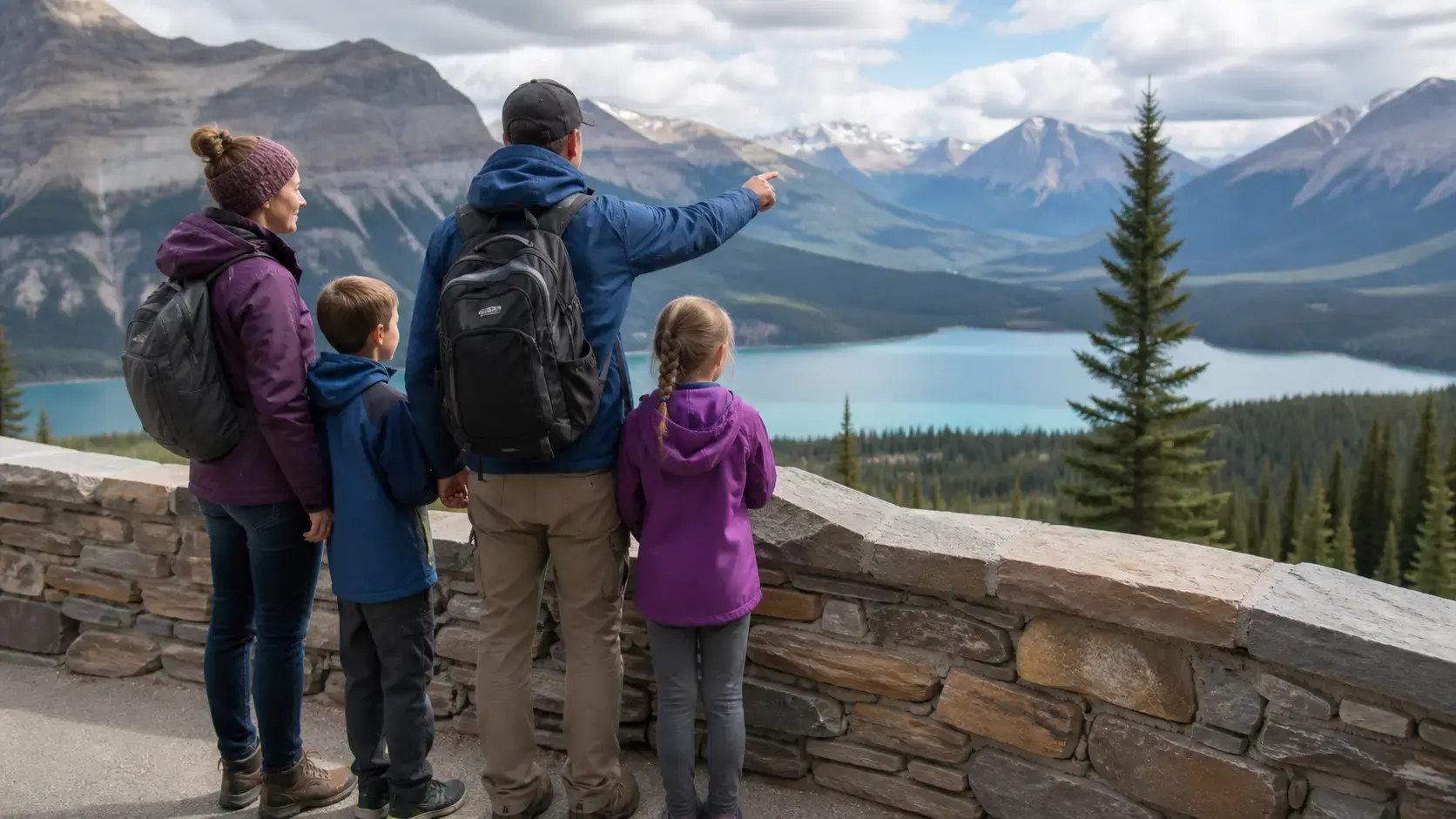
Canada · Family park planning
Best Canadian National Parks for Families
The best family national park is not always the most famous. It is the one your group can reach, understand and enjoy without turning every day into a test of endurance.
Open the guide