
Cold-weather cities · Layering checklist
Winter Walk Layering Checklist
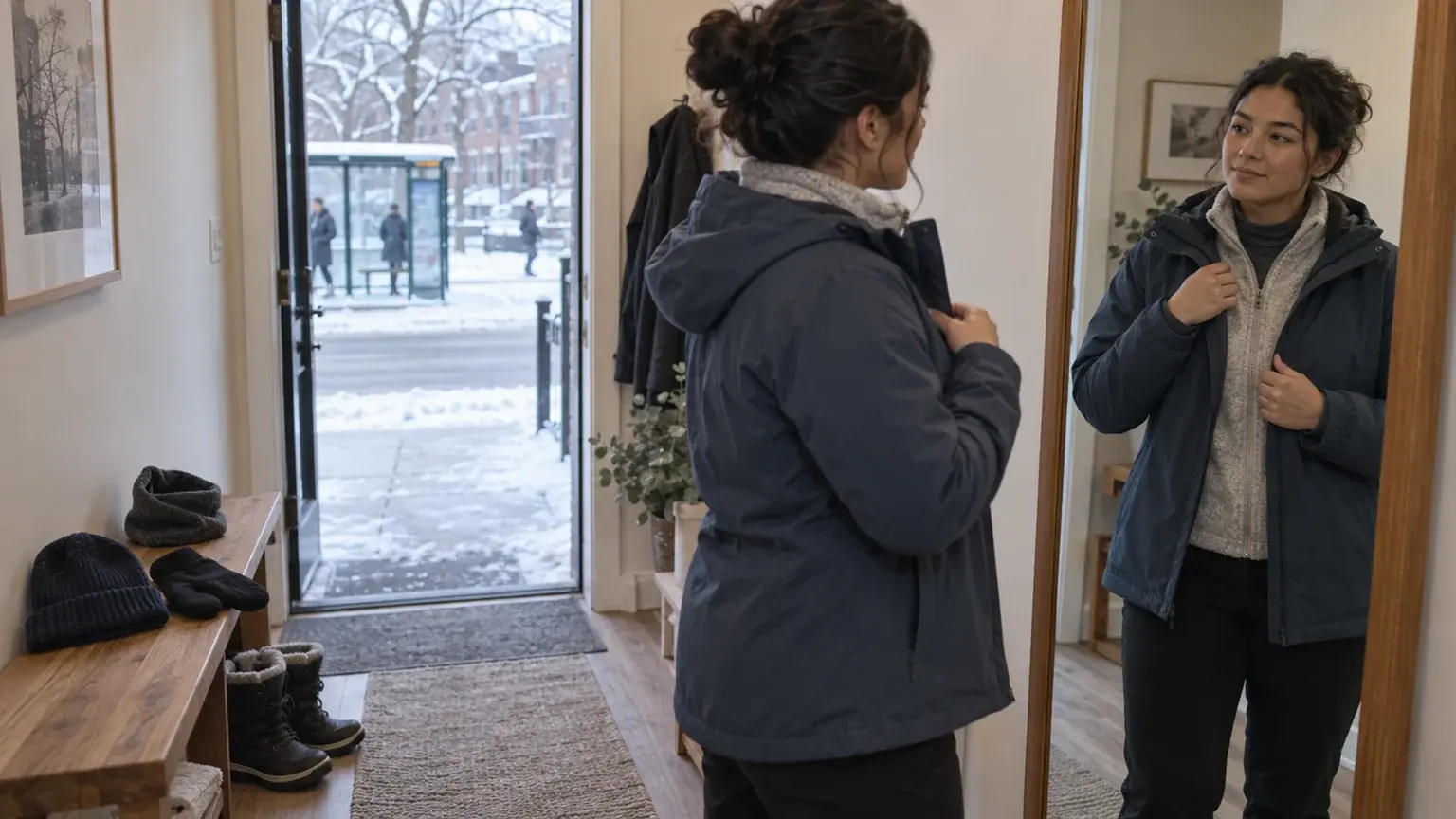
Urban winter still deserves a weather plan. Dress for wind and wet surfaces, keep layers adjustable before sweat builds and know where the walk can shorten into warmth.
- Region
- Canadian cities
- Best for
- Newcomers, families, older adults and visitors planning ordinary city walks in winter
- Season
- Winter and cold shoulder-season days, adjusted to forecast and wind chill
- Time
- Five-minute clothing and route check before each walk
By Horizon Outdoor Editorial TeamPublished 2026-09-10
Quick facts
- Core system
- Moisture-managing base, warm mid-layer and wind-resistant shell
- Protect first
- Head, hands, feet, neck and exposed face
- Footing
- Insulated waterproof footwear; traction aid when conditions suit
- Route rule
- Know the warm exit points and shorten before anyone gets cold
Read temperature, wind chill and precipitation together
Check the local forecast and active cold or winter-weather alerts immediately before leaving. Wind removes the warm layer of air near the skin, while wet clothing increases heat loss. The route between sheltered streets, an exposed waterfront and an open bridge can feel very different at the same air temperature.
Use the conditions to choose duration and warm exit points. When cold, wind, freezing rain or poor visibility make the planned walk unsuitable, shorten it or stay indoors. A clothing checklist should support a safe route, not pressure anyone to complete it.
- Air temperature and wind chill
- Snow, rain, freezing rain and visibility
- Exposed portions of the route
- Indoor or transit exit points
Use three adjustable layers around the body
Begin with a comfortable base that manages moisture, add an insulating mid-layer and finish with a wind-resistant outer layer appropriate to snow or rain. Layers should fit together without restricting movement or circulation. Cotton that becomes wet may be slow to recover during a cold outing.
Start warm but not overheated. Open a vent or remove a mid-layer before heavy sweating begins, then replace warmth during a slower stop. Carrying one small adjustable layer is usually more useful than wearing one coat that cannot respond to effort or wind.
- Moisture-managing base layer
- Fleece, wool or another suitable insulating mid-layer
- Wind-resistant and weather-appropriate outer layer
- A small place to carry a removed layer
Protect head, hands, feet, neck and face
Wear a warm hat, mittens or insulated gloves, warm socks and insulated waterproof footwear. Add a neck warmer or face covering when wind chill and exposure require it. Clothing and boots should not be so tight that they restrict circulation.
Check one another for numbness, unusual pale or white skin and persistent discomfort, especially on the face and extremities. Children and people with circulation or health concerns may cool sooner. Move to shelter and follow current medical guidance when cold injury is suspected.
- Toque or warm hat
- Mittens or insulated gloves
- Warm socks and insulated waterproof footwear
- Neck and face coverage suited to wind chill
Match traction to the surface and the full route
Choose footwear with stable fit and a sole suitable for winter walking. Ice cleats or poles may improve traction on icy outdoor paths when they are designed for the footwear and used correctly. They can become awkward or slippery on indoor floors, transit steps or bare pavement, so plan where they will be put on and removed.
Use cleared, maintained routes and allow more time. Shorten stride, keep hands available for balance and avoid carrying a load that changes footing. Winter routes across frozen water or into avalanche terrain require separate local information and skills; they are outside an ordinary city walk.
- Stable insulated and waterproof footwear
- Optional compatible traction aid for current surface
- Small bag for removing cleats indoors
- Maintained route with realistic walking time
Carry a small urban cold-weather pocket kit
For an ordinary city walk, keep a charged phone, transit or payment access, medication, identification, a small light after dark and any needed hand warmers reachable. Bring water for a longer route and protect electronics from precipitation. Tell someone the route when cold or mobility concerns make a delay consequential.
On return, dry footwear and outer layers, recharge the light or phone and note where anyone became too hot, cold or unstable. Adjust the next walk’s layer combination and route. Winter comfort improves through small repeatable corrections, not through enduring discomfort.
- Charged phone and transit or payment access
- Medication and identification
- Small light for low daylight
- Water, hand warmers and dry storage as needed
Common planning mistakes
- Checking temperature but ignoring wind chill and precipitation
- Wearing one heavy layer that cannot be adjusted
- Using tight socks or boots that restrict circulation
- Leaving traction aids on across smooth indoor surfaces
- Continuing after numbness, wet clothing or a warm exit point
Printable companion
Download the scenic drive comfort checklist
A printable list for an unhurried drive, with comfort, medication, weather, food and roadside essentials kept easy to reach.
Download the free PDFQuestions travellers ask
What are the three basic winter layers?
Use a moisture-managing base, an insulating mid-layer and a wind-resistant outer layer suited to current snow or rain.
Are ice cleats always necessary?
No. They may help on icy outdoor surfaces when compatible and used correctly, but can be unsuitable indoors or on bare pavement. Match them to the complete route.
How can we avoid sweating and then becoming cold?
Begin with adjustable layers and vent or remove a mid-layer before heavy sweating. Replace warmth when activity slows.
When should a city winter walk be shortened?
Shorten or cancel when alerts, wind chill, freezing rain, visibility, footing or anyone’s comfort makes the route unsuitable. Numbness or pale skin requires prompt attention.
Sources and currency
Conditions change. Confirm dynamic details again before departure; each source shows its own last-checked date.
- Health Canada: Extreme cold health guidance (2026-09-10)
- Environment and Climate Change Canada: Wind chill and the Wind Chill Index (2026-09-10)
- Environment and Climate Change Canada: Preparing for winter weather (2026-09-10)
- Government of Canada: Preparing for extreme cold (2026-09-10)
- Health Canada: Winter sports and recreation safety (2026-09-10)
- Parks Canada: Winter walking safety and traction guidance (2026-09-10)
Continue planning
Related field guides

Ottawa–Gatineau · Outdoor living
Easy Outdoor Days Around Ottawa–Gatineau
The National Capital Region offers several layers of outdoor life within one connected area. Begin with a river or urban pathway, move outward to a Greenbelt trail, and treat Gatineau Park as a separate access decision rather than an automatic next stop.
Open the guide
Montréal · Family outdoor living
Montréal Outdoor Days for Families
Montréal makes it possible to move from a neighbourhood park to a larger nature setting without treating every family outing as a major trip. Choose one kind of day, confirm how it works now, and leave room for the season to shape it.
Open the guide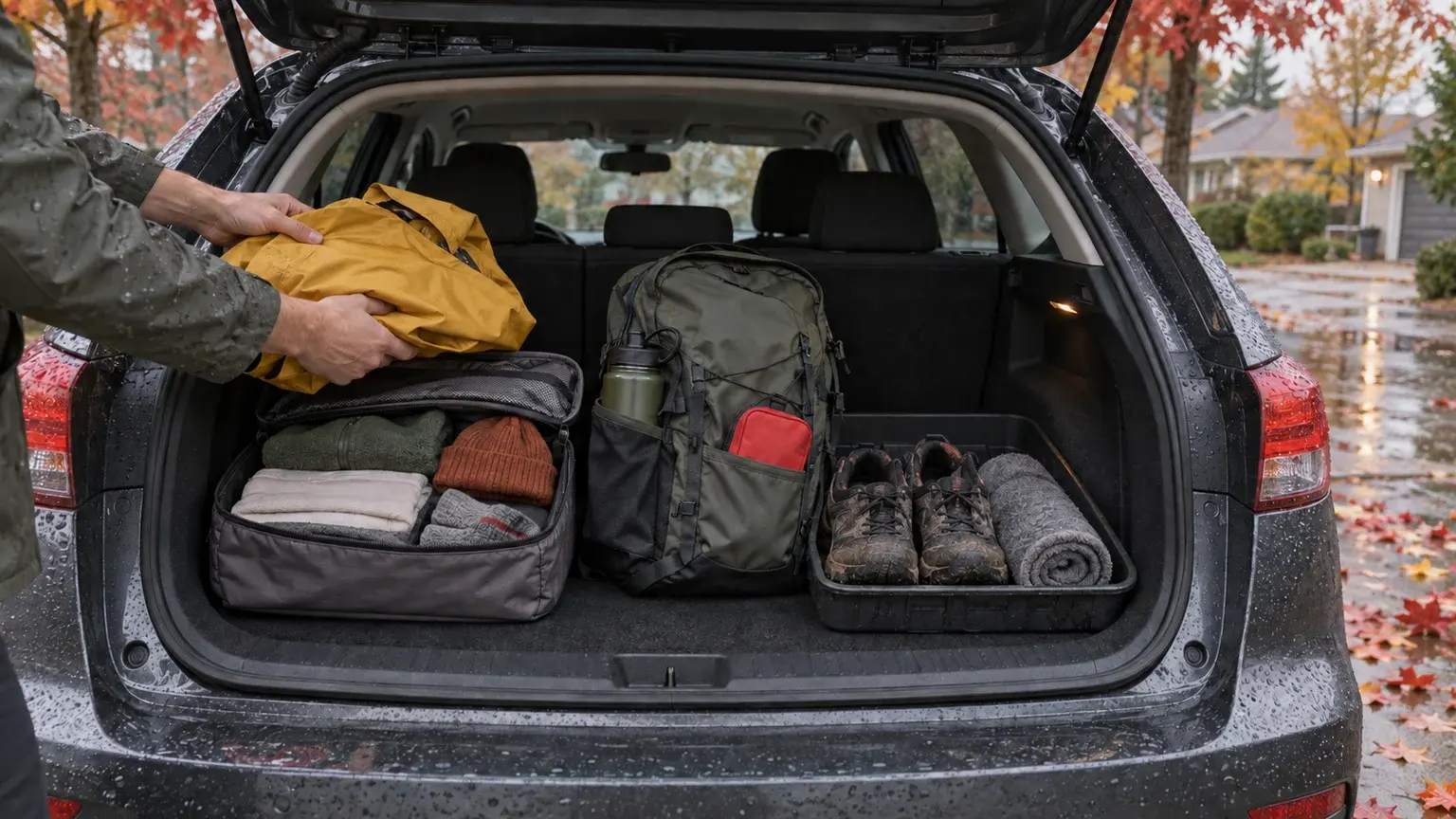
Spring and fall · Packing checklist
Canada Shoulder-Season Packing Checklist
Shoulder season is not one kind of weather. Pack a small system that can move between rain, wind, cold mornings and brighter afternoons without burying the items needed at the next stop.
Open the guide