
Alberta · Canadian Rockies
First-Time Banff National Park Guide
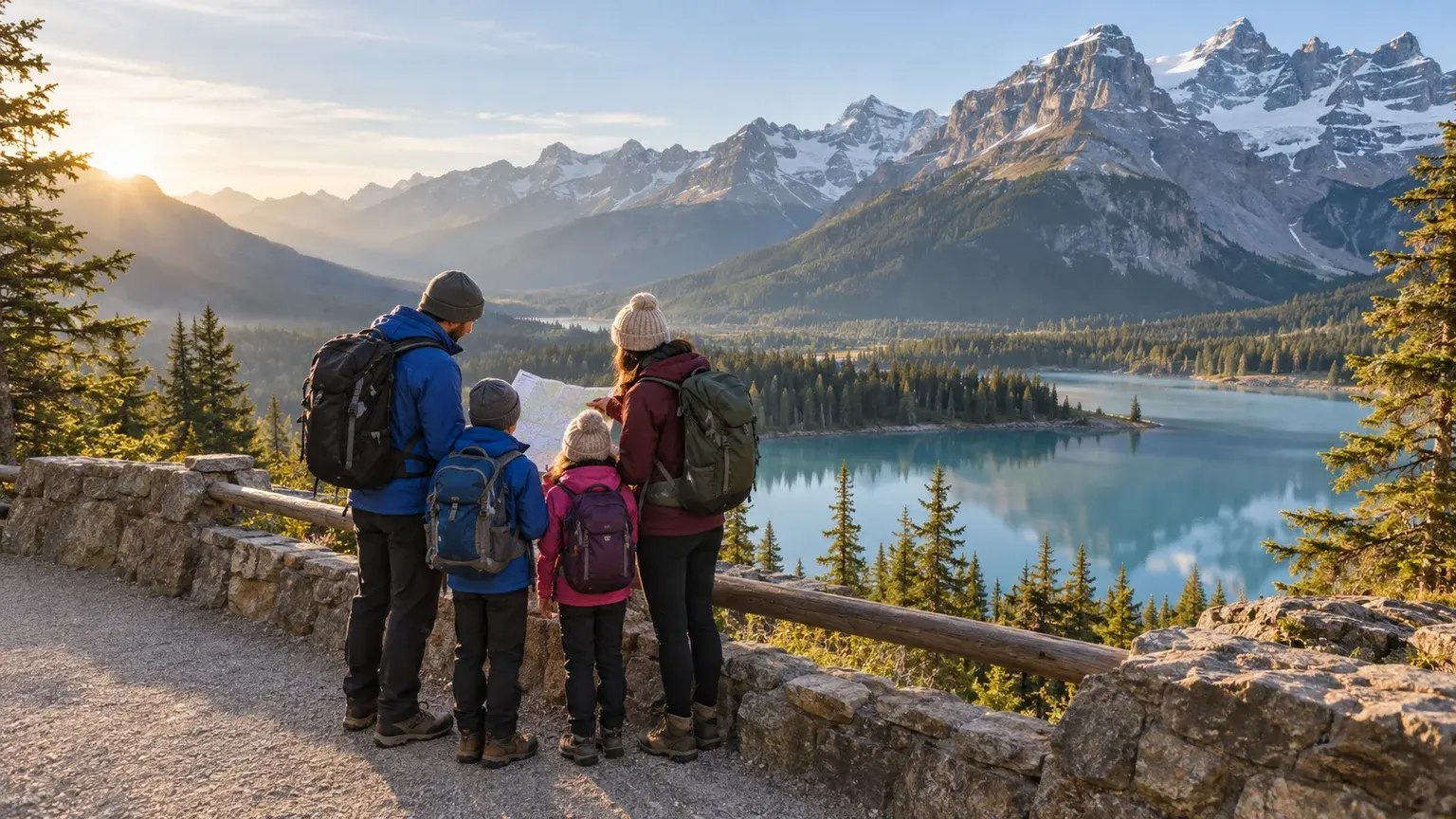
Banff is easier to enjoy when the famous places are anchors, not a race. Build the trip around arrival rhythm, official checks and enough room for mountain weather to change the day.
- Region
- Banff National Park, Alberta
- Best for
- First-time international visitors, families and scenic-drive travellers
- Season
- Year-round; access and services vary by season
- Time
- 2–4 days
By Horizon Outdoor Editorial TeamPublished 2026-08-29Updated 2026-08-31
Quick facts
- Comfortable first stay
- Two to four days in one base
- Before booking
- Check current entry, reservations and bulletins
- Popular-area strategy
- Use official transit and shuttle information
- Daily reset
- Recheck weather, closures and fire restrictions
Decide what kind of first Banff trip you want
Banff National Park can support very different first visits, and the best base depends on what the group wants to do each morning. A traveller interested in town access and transit has different needs from someone beginning the Icefields Parkway. Choose the trip style first so that accommodation, transport and daily plans reinforce one another.
Keep the first itinerary narrower than the park map. One townsite area, one major lake or valley day and one flexible scenic or walking day is enough to understand the park without treating it as a checklist. Current Parks Canada information should decide which version is realistic for the travel dates.
- A town-based visit with transit-supported park days
- A family trip with short walks and flexible returns
- A scenic-drive stay connected to Lake Louise or the Icefields Parkway
- A hiking-focused visit planned from current trail information
Start with entry and arrival checks
Treat passes, reservations and current bulletins as dated information rather than permanent rules. Check park entry, seasonal closures, fire information and the reservation instructions that apply to each activity. A valid entry pass and an accommodation booking are separate from a shuttle seat, campground reservation or timed experience.
Save confirmations and key addresses offline, then repeat the live check shortly before entering the park. Alberta 511 covers current provincial road conditions, while Parks Canada carries park-specific notices and restrictions. If an old itinerary conflicts with a current bulletin or posted sign, the current official information controls the day.
- Use Parks Canada for entry requirements that apply to your travel dates
- Check the latest bulletins, trail conditions and fire restrictions
- Save reservation details offline before entering mountain corridors
Choose one base before dividing the park into days
A single base simplifies mornings, weather changes and public-transport decisions. Banff townsite offers services and several transit connections; Lake Louise can reduce backtracking when the northern park or Icefields Parkway is central. A base outside the park may suit the budget, but the repeated entrance drive must be counted honestly.
Do not choose accommodation only by its straight-line distance from a famous lake. Check the transport that actually reaches the planned destination and the time needed to return. Two or three nights in one place often create more useful park time than moving luggage between bases to save a small amount of driving.
- Banff townsite for a broad range of services and transit connections
- Lake Louise area when the northern park and parkway shape the trip
- Canmore only after accounting for the daily drive into the park
- One accommodation move at most during a short first visit
Build a realistic two-to-four-day rhythm
One area per day creates more resilience than combining Banff townsite, Lake Louise and every scenic stop. Use arrival day for orientation and a nearby walk, make the second day the main reserved or transit-supported outing, and keep the next day available for a scenic corridor, another valley or the weather alternative.
Four days allows a slower version of the same structure rather than a longer list. Add rest, a second short walk or a less crowded area after checking current access. Keep the final day light if it connects to Calgary, Jasper or a flight; mountain traffic and changing conditions deserve more margin than an ordinary urban transfer.
- Day 1: settle into Banff and choose a nearby walk or viewpoint
- Day 2: make one reserved or transit-supported lake area the anchor
- Days 3–4: add a quieter valley, scenic drive or weather alternative
Choose transit before parking becomes the plan
Parking and access rules at popular places can change, while some destinations may require an official shuttle or licensed transport. Check Parks Canada and the transport operator for the exact date, route, reservation requirement, fare and return plan. Do this before assuming that a rental car provides direct access to every well-known place.
When transit fits the day, leave the vehicle at the base or designated park-and-ride and carry only what can be managed comfortably. Confirm the final return service and keep enough food, water, medication and weather protection for a delay. If transit does not serve the planned area, use designated parking and maintain a backup when the lot is full.
- Check Parks Canada and Roam routes for the exact day
- Reserve required services only through official channels
- Leave the vehicle at your base when transit gives the day a simpler shape
Give wildlife the space that keeps it wild
A roadside sighting is not permission to approach, feed or create an unsafe stop. Parks Canada directs visitors to remain in the vehicle when viewing wildlife from the road and to keep substantial distance from animals. Use binoculars or a long lens, obey no-stopping zones and continue once the brief safe observation is complete.
Control food, garbage and scented items at accommodation, picnic areas and trailheads. Keep pets leashed where required and follow every closure. Wildlife safety is not limited to bears or remote trails; elk, deer and other animals can also create dangerous encounters in town, beside roads and around busy visitor areas.
- Respect closures and posted distances
- Keep food and garbage controlled
- Use designated pullouts, obey speed limits and keep pets leashed where required
Keep a mountain-weather alternative
Conditions can differ by elevation and can change after an itinerary is written. Keep a warm layer and weather shell in the day bag, check the forecast for the actual area and review road, trail and fire information before leaving the base. A clear morning in town does not guarantee the same visibility or temperature near a higher destination.
Prepare one lower-commitment alternative that still feels worthwhile: a townsite walk, visitor-centre stop, shorter trail or scenic drive that remains within current guidance. Changing the plan is part of competent mountain travel. Winter and avalanche terrain require specific skills and current information beyond this general first-visit guide.
- Carry a warm layer and weather shell
- Keep one shorter, lower-elevation option ready
- Recheck closures, visibility and road conditions before each departure
Common planning mistakes
- Treating Lake Louise, Moraine Lake and Banff townsite as one parking-based day
- Using an old shuttle or pass screenshot as current policy
- Approaching wildlife or copying another visitor’s unsafe roadside stop
Printable companion
Download the family road trip checklist
A printable family list for car comfort, weather changes, food stops, simple outdoor days and backup plans.
Download the free PDFQuestions travellers ask
How many days should a first visit include?
Two days can introduce one townsite area and one major park day. Three or four days gives weather, transit and rest more room.
Can I drive to every famous lake?
No general answer stays current. Some access is restricted or reservation-based, so confirm the exact destination and date with Parks Canada.
Do I need a park pass?
Entry programs and fees can change. Check the current Parks Canada pass information for each visitor and travel date before arrival.
What should families keep in the day bag?
Carry water, food, sun protection, a warm layer, rain protection, medication and anything needed during a delayed return.
Sources and currency
Conditions change. Confirm dynamic details again before departure; each source shows its own last-checked date.
- Parks Canada: Banff National Park visitor information and bulletins (2026-08-31)
- Parks Canada: Getting around Banff by transit and park-and-ride (2026-08-31)
- Parks Canada: Wildlife safety and responsible viewing (2026-08-31)
- Government of Alberta: Alberta road conditions (2026-08-31)
- Parks Canada: Plan your national park visit (2026-08-31)
Continue planning
Related field guides
Canada · Family park planning
Best Canadian National Parks for Families
The best family national park is not always the most famous. It is the one your group can reach, understand and enjoy without turning every day into a test of endurance.
Open the guide
Canadian Rockies · Parkway planning
Banff to Jasper Road Trip Stops
The drive between Banff and Jasper is not a transfer day to rush through. Choose fewer stops, check the official conditions and leave enough daylight for mountain weather, wildlife and return-plan changes.
Open the guide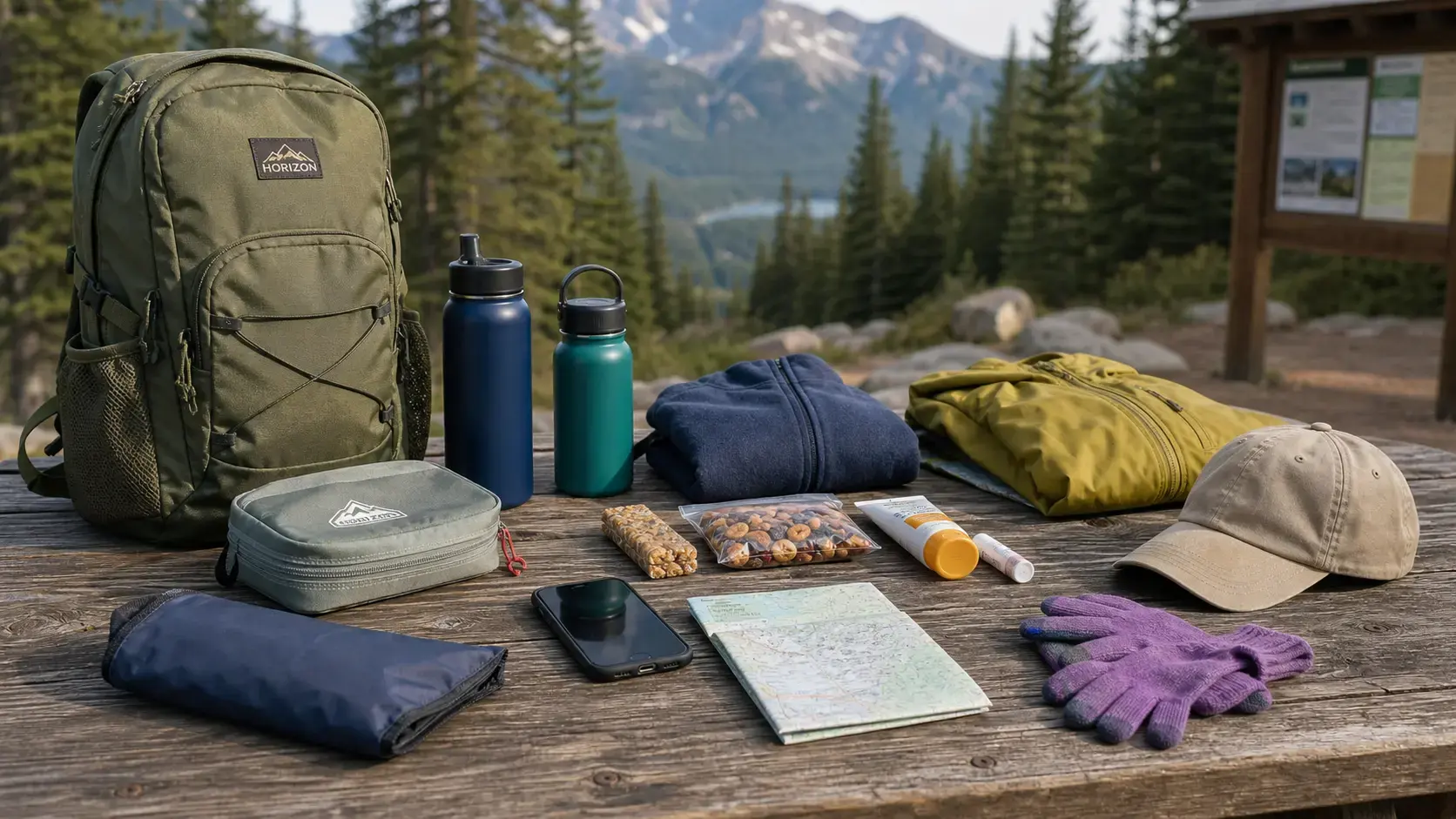
National parks · Day bag system
Canada National Park Day Bag Checklist
A good national park day bag is small enough to carry and organized enough to solve the ordinary problems that end good days early.
Open the guide