
Prince Edward Island · Family park plan
PEI National Park: Family Planning Guide
The park is a set of separate north-shore places, not one long beach day. Pick the section that suits your family’s walking and water comfort, then leave enough time for a dry-clothes reset and a change of plans.
- Region
- Cavendish–North Rustico, Brackley–Dalvay and Greenwich, Prince Edward Island
- Best for
- Families with children, multigenerational groups and first-time coastal-park visitors
- Season
- Park experiences vary with weather and seasonal services; check the exact section
- Time
- One focused section per family day
By Horizon Outdoor Editorial TeamPublished 2026-10-02
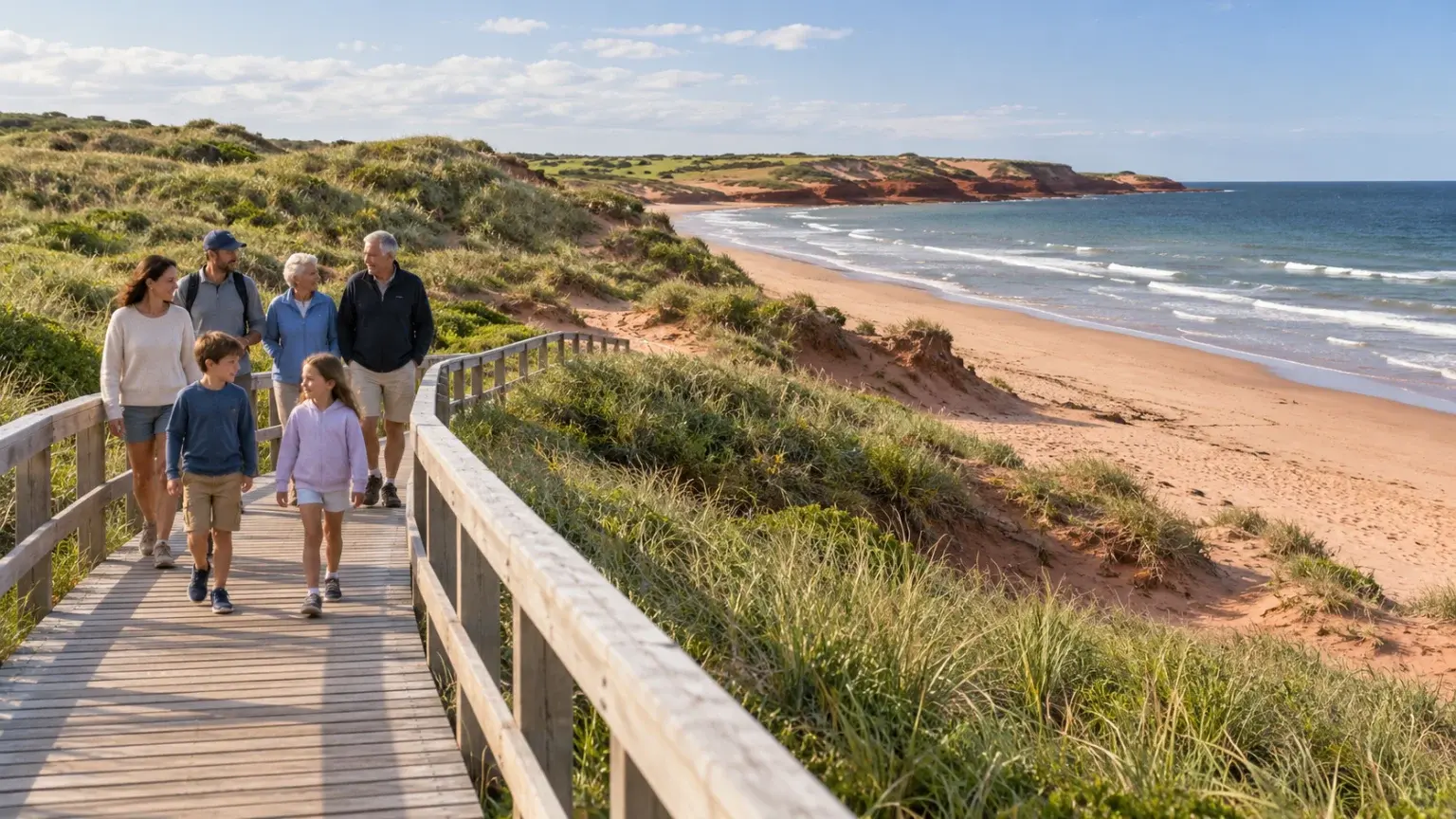
Quick facts
- Park shape
- Three separate sections, not one continuous park road
- Family anchor
- One beach or trail plus time to rest and change
- Water decision
- Current surf, supervision and each swimmer’s ability
- Before leaving
- Park access, facilities, weather and visitor rules
Choose the park section before the beach
Parks Canada describes three separate areas: Cavendish–North Rustico, Brackley–Dalvay and Greenwich. Bays and ordinary roads separate them. Start with the family’s base, walking capacity and desired activity instead of assuming a continuous drive inside park boundaries.
Cavendish–North Rustico can pair a beach with community and interpretation time. Brackley–Dalvay can make a simpler beach-and-short-walk day from the Charlottetown side. Greenwich suits a family willing to give a distinct landscape and boardwalk or trail more of the day. Use the individual park maps for the exact entry, parking and facilities.
- Cavendish–North Rustico: beach, coastal scenery and nearby interpretation
- Brackley–Dalvay: beach and shorter north-shore choices
- Greenwich: a separate approach and a trail-led dune experience
Separate a beach visit from a swimming decision
A family can enjoy sand, dunes and a shoreline walk without entering the water. If swimming is part of the plan, choose a beach where the current supervision and access meet the family’s needs. Check Parks Canada’s surf information, posted flags and staff direction on the day; a sunny sky or empty beach does not prove that the water is safe.
North-shore surf, rip currents, wind and changing tides can alter the decision quickly. Keep children close, never swim alone, and leave the water when conditions or the group’s confidence change. Do not cross dune protection or closure signs to reach a quieter-looking area.
- Choose the actual beach before promising a swim
- Check current surf and supervised-area information
- Keep a dry-land alternative for rough water or a closure
Match the walking surface and facilities to the group
Sand can be tiring even on a short visit. Check the park’s accessibility page for available mats, beach equipment, washrooms and easier-access routes, then confirm availability for the exact place and date. A boardwalk photo is not proof that every route or beach has the same surface.
For a child, grandparent or visitor with mobility limits, put the easiest approach first and make a longer trail optional. At Greenwich, read the current trail description and decide whether the family wants the full walk before setting out. Turning back early can be a good decision, not a failed park visit.
- Check accessible features at the specific beach or trail
- Plan washroom and rest stops before the walk
- Keep a shorter route or viewpoint as an equal choice
Give the protected coast room to be more than a backdrop
The park protects a living dune and coastal ecosystem. Stay on maintained paths, heed nesting-bird and shoreline closures, and use current interpretation to help children understand why an attractive shortcut can damage a fragile place. Look, photograph and learn without collecting or trampling plants.
Make space for the human history of the island as presented by the park and local communities. Do not treat a cultural site or a community name as another photo stop detached from its people. If a program is important to the day, check whether it is actually offered during your visit rather than assuming an old itinerary still applies.
- Use marked boardwalks and paths
- Follow wildlife and dune closures
- Confirm interpretation or programs directly with the park
Plan a reset between sand, food and the drive home
Bring water, food, sun protection, wind or rain layers, medication and a bag for wet clothing within reach. Sand, salt and wind can make a short outing feel long to a child. Set a meeting place and a clear return point before the family disperses for beach play.
Pet rules, camping, admission, parking and seasonal facilities are all matters to verify from the current park pages. If a dog is coming, check the exact beach and trail rules in advance rather than assuming a leash makes every area accessible. Pair the park day with the PEI coastal-drive guide only when the extra road time still leaves a comfortable return.
- Keep a dry layer and drinking water in the day bag
- Check the current dog, facility and access rules
- Leave a weather-safe shorter day in the plan
Common planning mistakes
- Trying to visit Cavendish, Brackley and Greenwich as one continuous park loop
- Equating beach access with safe swimming conditions
- Assuming a boardwalk or beach facility is available everywhere in the park
- Letting children cross dune or wildlife closure signs for a photograph
- Arriving with a dog without checking the exact park area rules
Printable companion
Download the family road trip checklist
A printable family list for car comfort, weather changes, food stops, simple outdoor days and backup plans.
Download the free PDFQuestions travellers ask
Which PEI National Park section is best for a family?
Choose by your base, walking comfort and preferred activity. Cavendish–North Rustico and Brackley–Dalvay offer different north-shore days; Greenwich needs a separate approach and often suits a more trail-led plan. Check the current section map before leaving.
Can children swim at any PEI National Park beach?
Do not assume so. Choose the actual beach, check Parks Canada’s current surf and supervised-area information, follow posted flags and staff direction, and keep a dry-land alternative.
Is Greenwich part of the same beach road as Cavendish?
No. Parks Canada identifies Greenwich as a separate section reached by ordinary roads. Treat it as its own family outing.
Can we bring our dog to the beach?
Park rules vary by place and season. Read Parks Canada’s current dog guidance for the exact beach or trail before including a pet in the day.
Sources and currency
Conditions change. Confirm dynamic details again before departure; each source shows its own last-checked date.
- Parks Canada: Prince Edward Island National Park (2026-10-01)
- Parks Canada: Plan your visit (2026-10-01)
- Parks Canada: Cavendish–North Rustico section (2026-10-01)
- Parks Canada: Brackley–Dalvay section (2026-10-01)
- Parks Canada: Greenwich section (2026-10-01)
- Parks Canada: Greenwich Dunes Trail (2026-10-01)
- Parks Canada: Swimming and beach activities (2026-10-01)
- Parks Canada: Water safety (2026-10-01)
- Parks Canada: Accessibility and easier-access visits (2026-10-01)
- Parks Canada: Visitor guidelines (2026-10-01)
- Parks Canada: You and your dog (2026-10-01)
- Environment and Climate Change Canada: Canadian forecasts and alerts (2026-10-01)
Continue planning
Related field guides
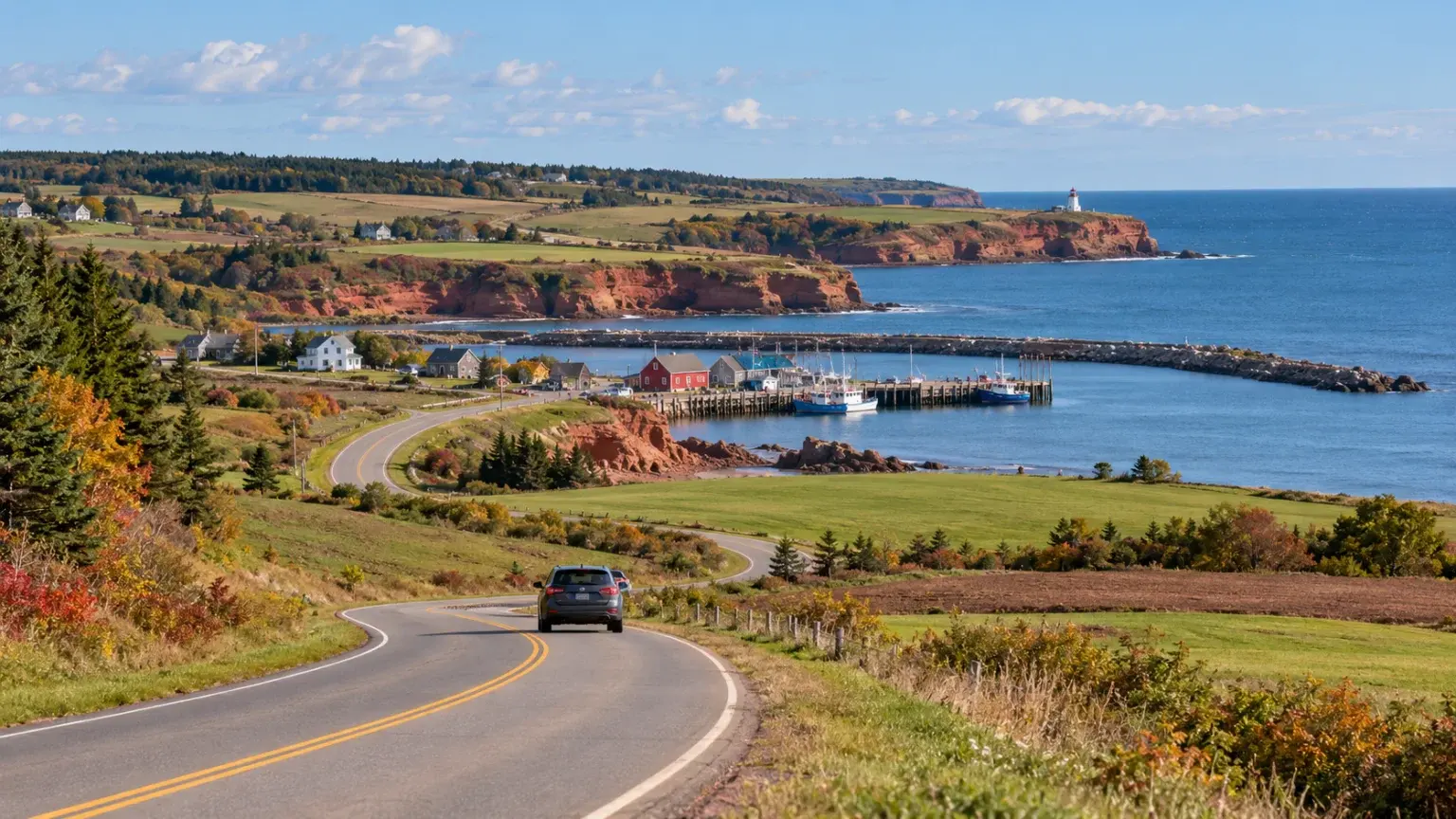
Prince Edward Island · Coastal road trip
PEI Coastal Drives: Choose Your Route
PEI’s three signed coastal-drive regions are not one continuous sightseeing day. Choose the shore that fits your arrival and interests, give it room for small stops, and treat a national-park beach as its own outing.
Open the guide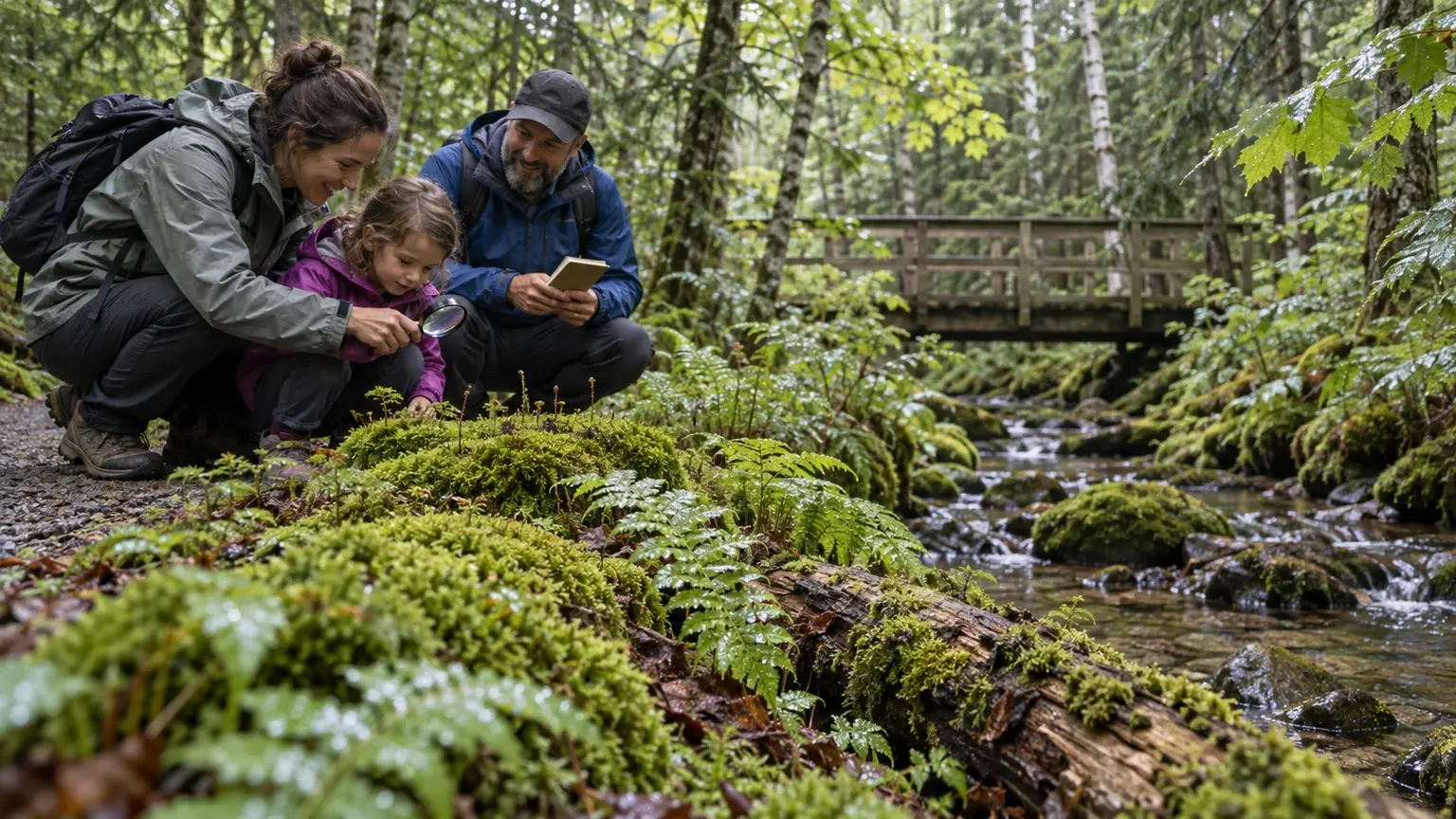
New Brunswick · Family park plan
Fundy National Park: Family Planning Guide
Fundy is more than a tide timetable. Pair one carefully timed coast experience with the Acadian forest, choose facilities that fit the family and keep enough flexibility for water, weather and energy to change the day.
Open the guide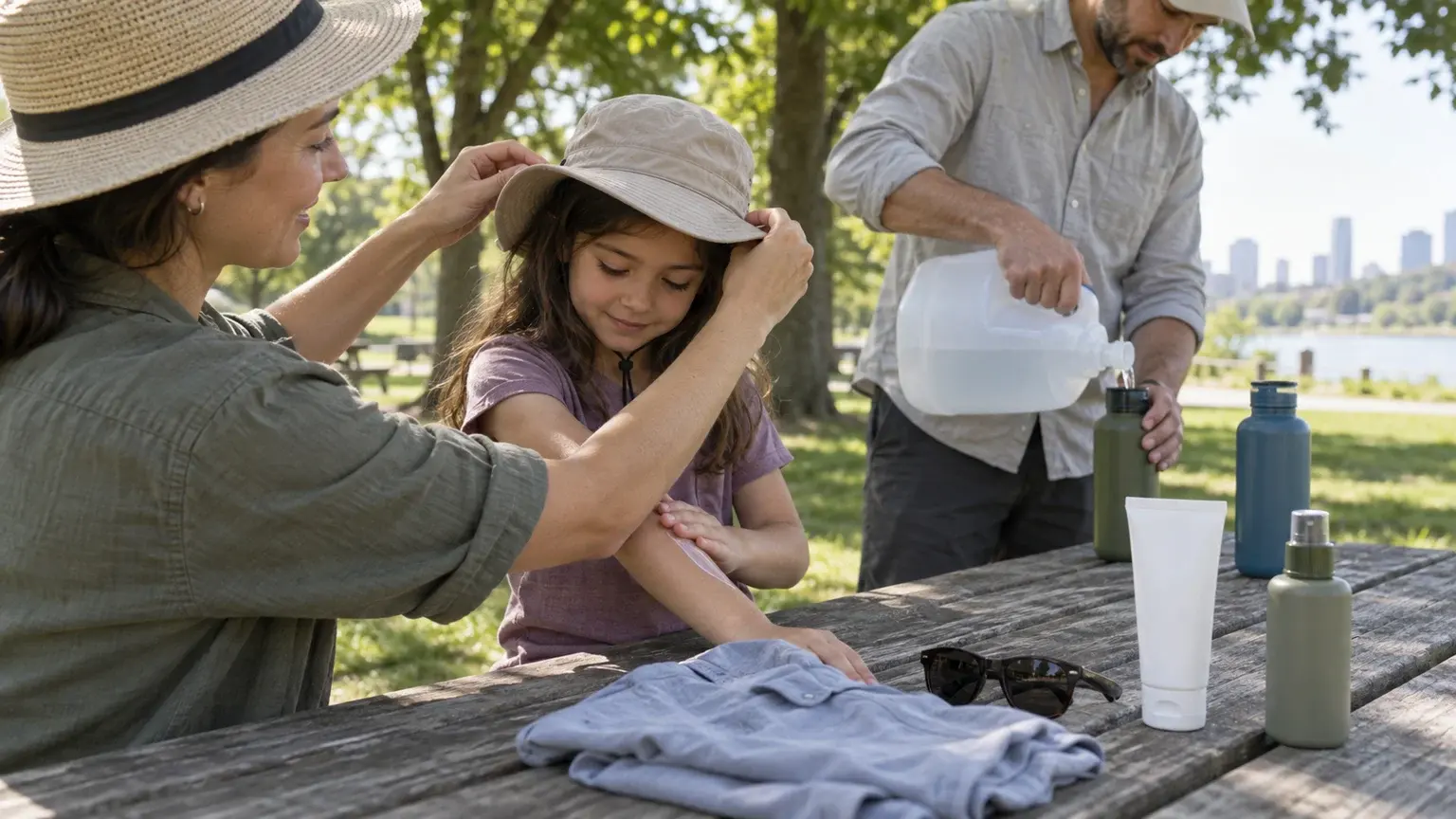
Summer day · Sun and insect kit
Canadian Summer Sun and Bug Day Kit
Summer protection is a routine, not a collection of bottles. Use clothing, shade and timing first, then carry products that fit each person and follow their labels.
Open the guide