
Summer day · Sun and insect kit
Canadian Summer Sun and Bug Day Kit
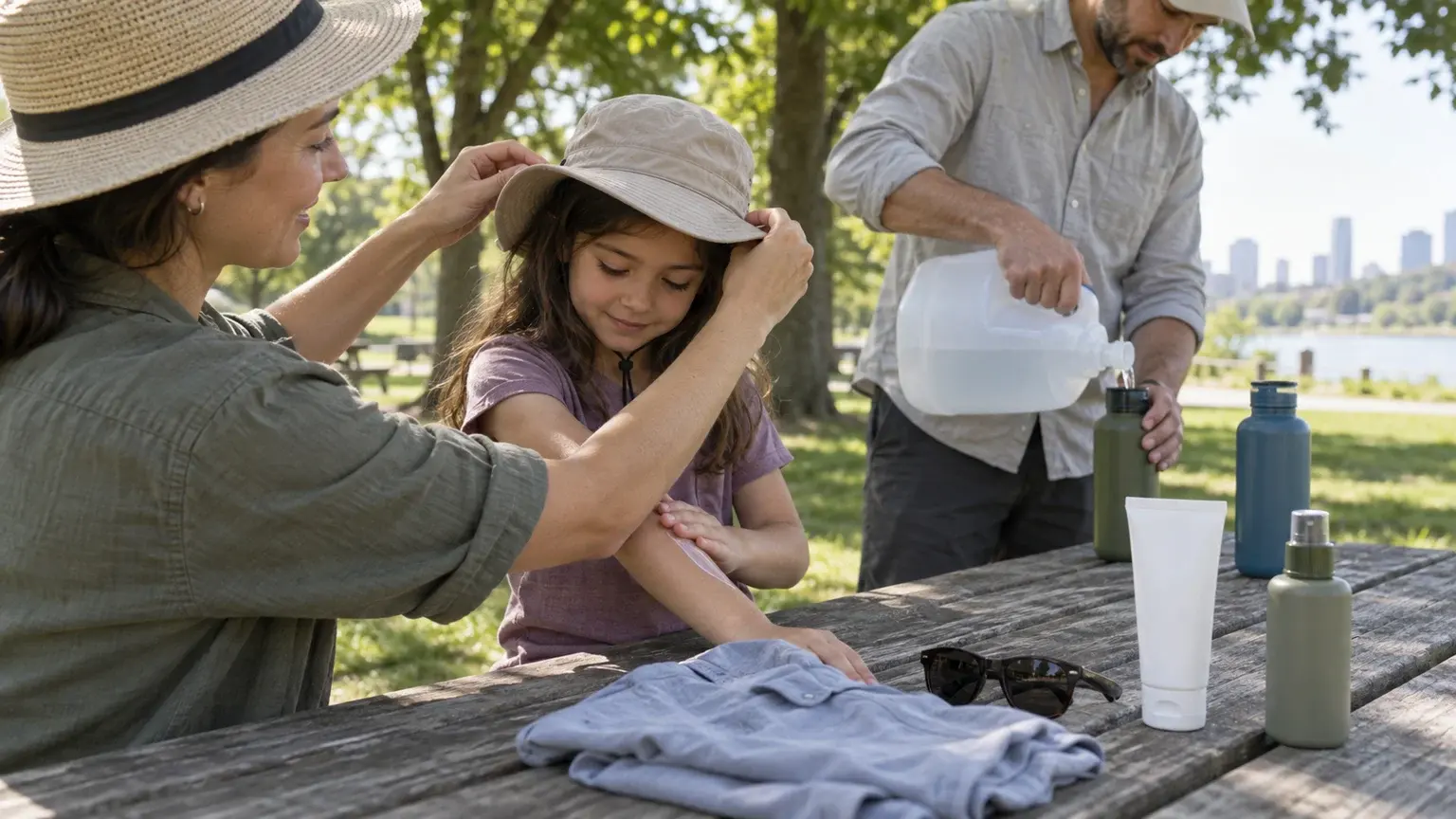
Summer protection is a routine, not a collection of bottles. Use clothing, shade and timing first, then carry products that fit each person and follow their labels.
- Region
- Canada
- Best for
- Families, newcomers and day visitors using parks, beaches, trails and picnic areas
- Season
- Warm-weather outings, adjusted to UV, heat, insects and destination conditions
- Time
- 10-minute day-bag check plus a return-home reset
By Horizon Outdoor Editorial TeamPublished 2026-09-10
Quick facts
- Start with
- Forecast, UV, heat, shade and activity timing
- Wear
- Breathable coverage, hat, sunglasses and suitable footwear
- Products
- Follow sunscreen and registered repellent labels
- On return
- Tick check for people, pets, clothing and gear where relevant
Check UV, heat and insect exposure as separate conditions
Read the destination forecast, UV information and any heat or air-quality alerts before packing. Sun exposure can matter on cloudy days and around reflective water, sand or concrete. Heat adds its own risk and may require a shorter outing, cooler timing or an air-conditioned alternative rather than a larger kit.
Ask what kind of insect exposure is likely: mosquitoes at dawn or dusk, blackflies in season, or ticks along grassy and wooded edges. Local public-health information and the activity determine the protection plan. No single product replaces timing, clothing, shade and staying on a cleared route.
- Destination weather and UV
- Heat and air-quality alerts
- Likely biting insects and habitat
- A cooler, shaded or indoor alternative
Wear the first layer of protection
Pack a wide-brimmed hat, sunglasses, loose breathable clothing and enough coverage for the activity. Light-coloured long sleeves and pants can reduce exposed skin and make ticks easier to see. Closed-toe footwear is useful on trail and grassy edges.
Add a compact shade option only where it can be used safely and legally. Schedule breaks in existing shade and reduce effort during high heat. Infants, older adults and people with health conditions or heat-sensitive medication may need individual guidance and a more conservative plan.
- Wide-brimmed hat and UV-protective sunglasses
- Loose, breathable coverage
- Closed-toe footwear for trail and grass
- Known shade and cooling stops
Choose products by label and by person
Carry a broad-spectrum, water-resistant sunscreen with SPF 30 or higher and follow the current label for application and reapplication. For biting insects, use a personal repellent registered in Canada and read its age, pest, application and frequency directions. Supervise use on children.
Health Canada advises applying sunscreen first and insect repellent afterward. Do not spray repellent directly on the face, near food or in an enclosed space, and do not apply it to a child’s hands. Keep all containers out of children’s reach and avoid assuming that a wristband, ultrasonic device or scented plant offers equivalent protection.
- Broad-spectrum, water-resistant SPF 30+ sunscreen
- Registered personal insect repellent suited to each person
- Lip protection and a small clean-hands supply
- Products stored away from children and heat
Make water and cooling part of the kit
Carry enough drinking water for the group and the planned access to refills. Drink before thirst becomes the only signal and take more breaks as heat or exertion rises. A simple insulated bottle, light snack and damp cloth may be more useful than several specialty accessories.
Watch how each person feels. Headache, nausea, dizziness, unusual thirst or behaviour change can signal heat illness. Move to a cooler place and follow current health guidance; confusion or loss of consciousness is an emergency. Never leave a person or pet in a parked vehicle.
- Water for each person plus refill plan
- Simple food appropriate to the outing
- Shade and cooling break schedule
- Emergency contacts and medication
End the day with the protection routine
When returning from grassy, brushy or wooded areas, check people, children, pets, clothing and backpacks for ticks. Showering, changing and washing or drying clothing according to current public-health guidance can help complete the check. Use the official removal guidance if a tick is found and seek health advice when indicated.
Wash treated skin when protection is no longer needed, dry damp gear and replace used water or products before storing the day bag. Record any item that ran out or never served the activity. The next outing begins with a clean, current kit rather than last weekend’s warm bottle and empty container.
- Full-body and gear tick check where relevant
- Wash treated skin and outdoor clothing
- Dry the bag and clean reusable containers
- Restock products and check expiry or damage
Common planning mistakes
- Treating cloudy weather as zero UV exposure
- Using one repellent without checking age and label directions
- Applying insect repellent before sunscreen
- Relying on products instead of shade, water and timing
- Skipping the return-home tick and gear check
Printable companion
Download the family road trip checklist
A printable family list for car comfort, weather changes, food stops, simple outdoor days and backup plans.
Download the free PDFQuestions travellers ask
Should sunscreen or insect repellent go on first?
Health Canada advises applying sunscreen first, then insect repellent. Follow both product labels.
Can the same repellent be used for every child?
Do not assume so. Product ingredients, age restrictions and application frequency vary. Use a Canadian-registered product and follow its full label.
Do we need sun protection on a cloudy day?
Yes, depending on the UV index and exposure. UV can remain significant through cloud and can reflect from water, sand, snow or concrete.
What should happen after a wooded or grassy outing?
Check people, children, pets, clothing and gear for ticks, then shower or change and follow current public-health guidance.
Sources and currency
Conditions change. Confirm dynamic details again before departure; each source shows its own last-checked date.
- Health Canada: Sun safety basics (2026-09-10)
- Health Canada: Sunscreen safety and use (2026-09-10)
- Health Canada: Personal insect repellents (2026-09-10)
- Public Health Agency of Canada: Insect bite and pest prevention (2026-09-10)
- Public Health Agency of Canada: How to prevent tick bites (2026-09-10)
- Public Health Agency of Canada: How to check for ticks (2026-09-10)
- Government of Canada: Preparing for extreme heat (2026-09-10)
- Health Canada: Protecting health during extreme heat (2026-09-10)
- Environment and Climate Change Canada: Canadian weather forecasts and alerts (2026-09-10)
Continue planning
Related field guides
National parks · Day bag system
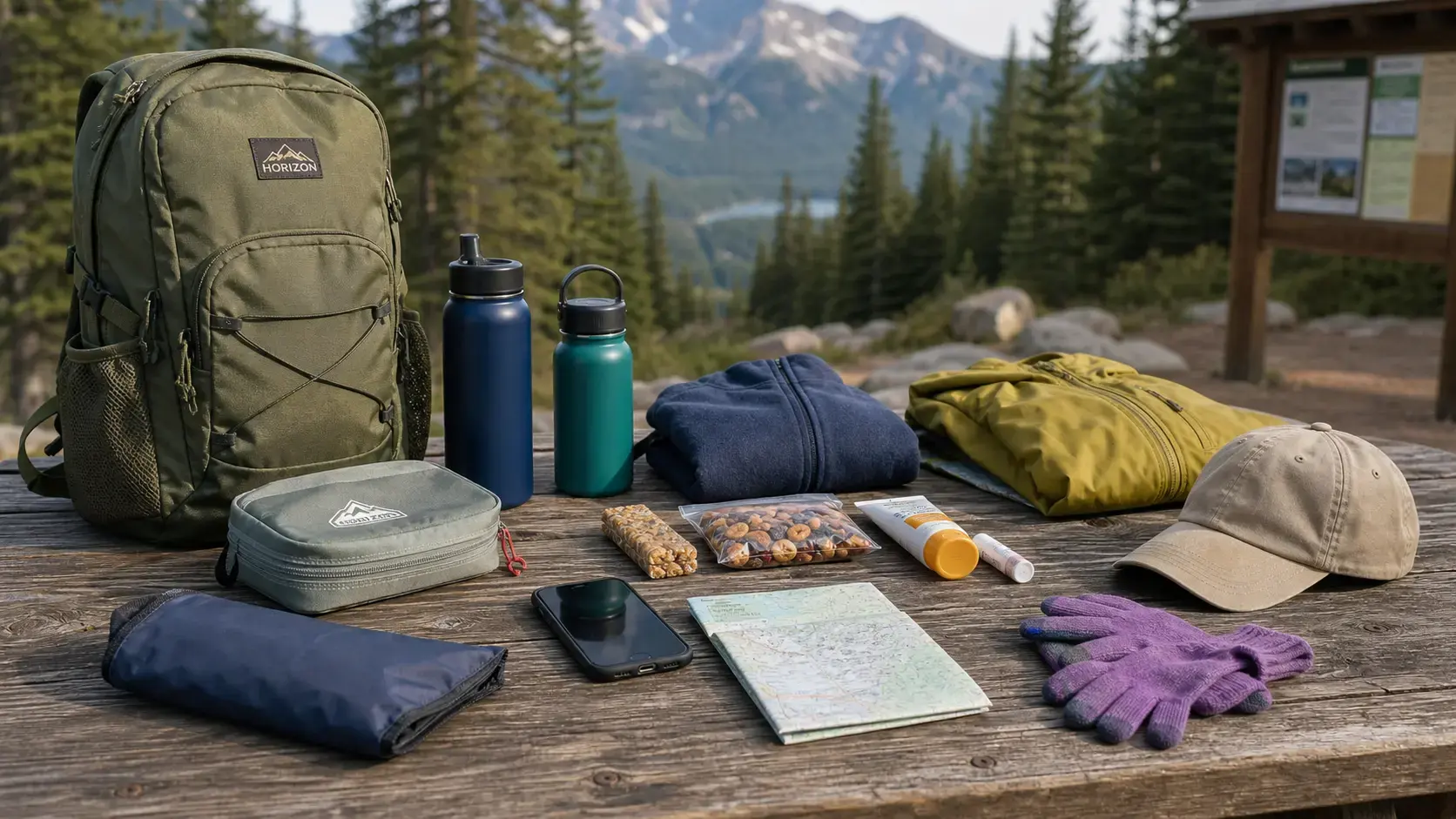
Canada National Park Day Bag Checklist
A good national park day bag is small enough to carry and organized enough to solve the ordinary problems that end good days early.
Open the guide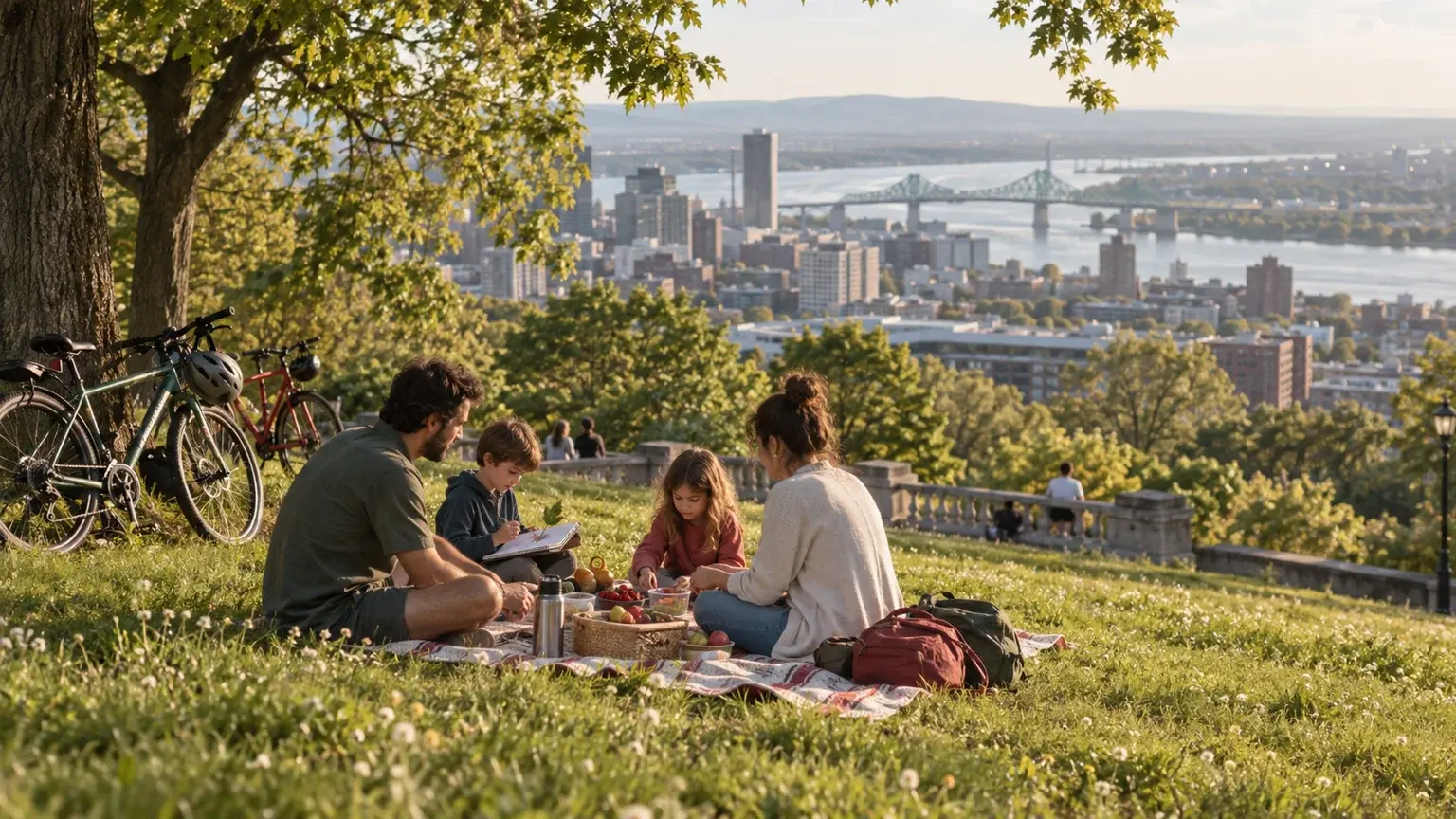
Montréal · Family outdoor living
Montréal Outdoor Days for Families
Montréal makes it possible to move from a neighbourhood park to a larger nature setting without treating every family outing as a major trip. Choose one kind of day, confirm how it works now, and leave room for the season to shape it.
Open the guide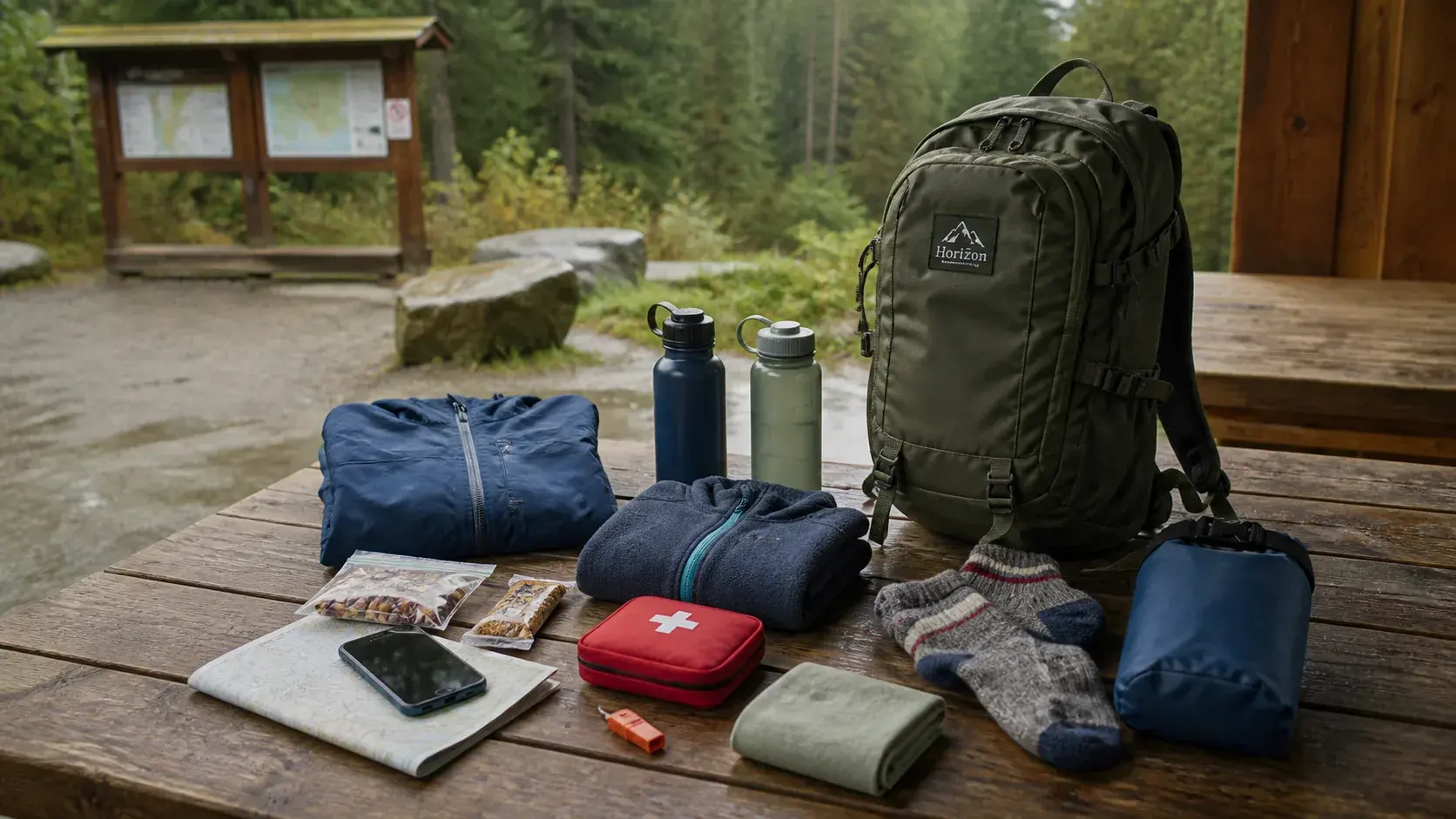
BC family outings · Day bag
Family Outdoor Day Bag Checklist for BC
Use one reachable bag system for park walks, short hikes, picnic stops and scenic days when the car may not be close enough to solve the next small problem.
Open the guide