
Toronto · Newcomer outdoor living
Toronto Outdoor Weekends for Newcomers
Toronto does not require a long drive before outdoor life begins. Start with one city trail or managed green space, learn the day’s rhythm, and widen the radius only when the extra travel earns its place.
- Region
- Toronto and the Greater Toronto Area, Ontario
- Best for
- Newcomers, beginners and families building repeatable outdoor weekends
- Season
- Year-round; match surface, daylight and clothing to current conditions
- Time
- Two hours to one easy day
By Horizon Outdoor Editorial TeamPublished 2026-09-10
Quick facts
- Best first plan
- One ravine, waterfront path or large park
- Transport choice
- Compare the full transit and parking return, not only arrival time
- Useful backup
- A shorter city walk close to shelter and services
- Before leaving
- Check weather, trail notices, facilities and daylight
Begin inside the city before turning the weekend into a road trip
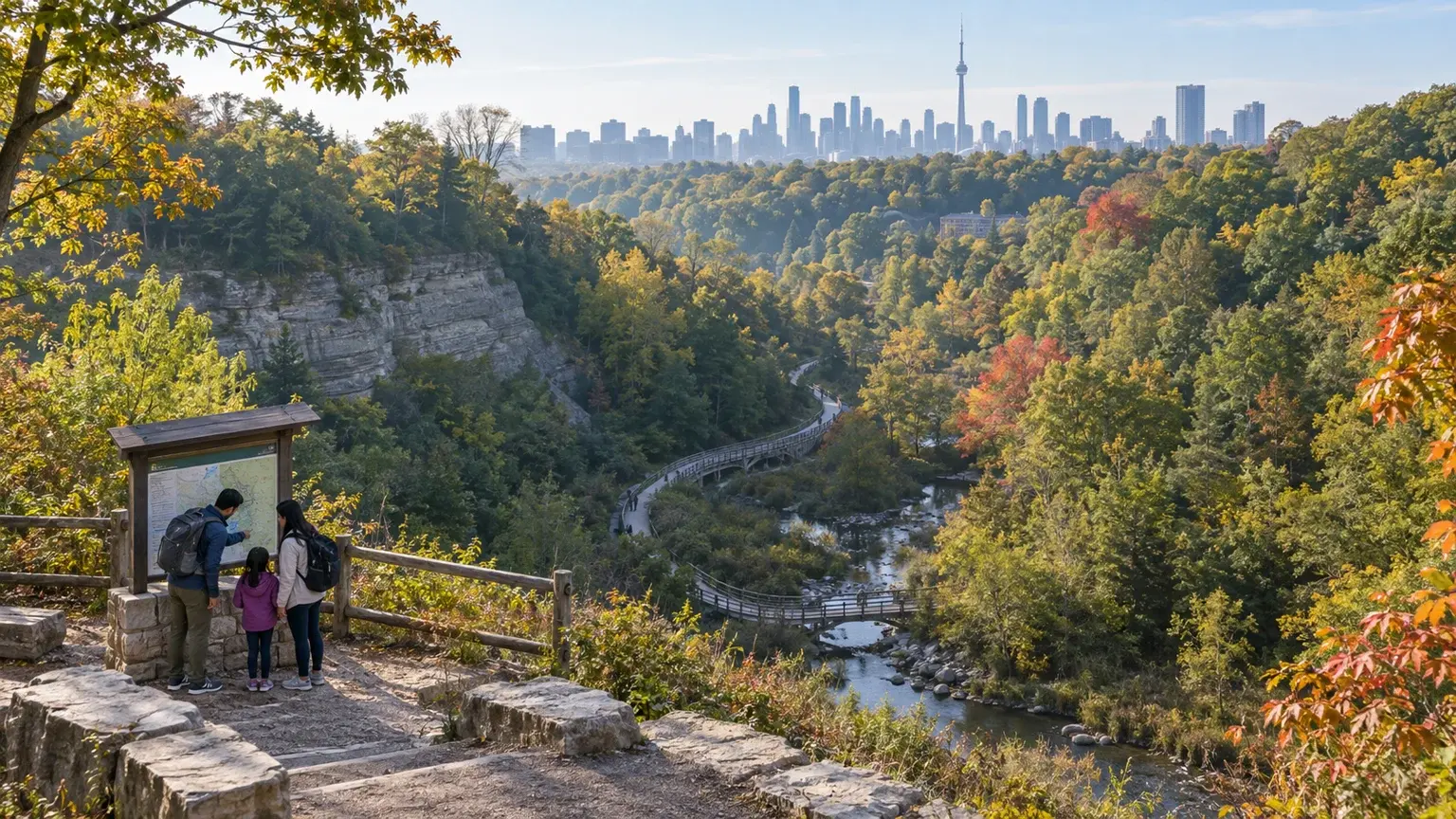
Toronto’s ravines, waterfront routes and natural parklands make it possible to learn an outdoor routine without first solving a rental car, highway traffic and a distant trailhead. The City’s trail network includes paved multi-use paths, wooded ravine routes and connections between neighbourhood parks, so the first decision is not which famous destination to reach. It is which nearby setting fits the time, footwear and confidence available today.
Choose one route with a clear entrance, a simple turnaround and a practical way home. High Park, a waterfront section or a signed ravine trail can each be a complete first outing. Read the official park or trail page for access notes and facilities, and keep an easier street or park loop ready if rain, ice, construction or family energy changes the original plan.
- Pick one main landscape: ravine, lakefront or large urban park
- Set the return time before adding a second stop
- Use official trail information rather than a crowd-sourced line on a map
Choose transit or a car by the return journey
Transit works well when the walk begins and ends near reliable service and the group can carry what it needs. It also removes the pressure to find parking at a popular green space. A car becomes more useful when the day includes a conservation area outside the core, bulky family equipment or a weather backup in a different location.
Compare door-to-door time in both directions, including transfers, the walk from the stop, parking rules and the possibility that children finish tired. If the route is one-way, confirm the exit before starting. If the plan depends on a bus or seasonal facility, check the operator’s current information rather than relying on an old itinerary screenshot.
- Transit plan: save the return stop and service check
- Driving plan: confirm parking and the legal overflow choice
- One-way walk: verify the exit before committing
Widen the radius only when the destination changes the day
Once a local outing feels easy, Toronto and Region Conservation Authority parks provide a next circle of managed landscapes around the Greater Toronto Area. These visits can add forests, wetlands, picnic space or longer trail choices, but they may also add reservations, admission, limited services or more driving. Check the page for the specific property before leaving.
A useful progression is city walk, half-day conservation-area visit, then a full provincial-park or lakeshore day. Change one variable at a time. Adding distance, unfamiliar terrain and difficult weather together makes it harder to know what the group actually enjoyed and what needs adjustment next weekend.
- Local: repeatable route with easy services
- Regional: managed conservation area with a fuller day bag
- Further away: full-day plan with road, reservation and return checks
Let weather and trail surface choose the footwear and pace
A mild temperature does not guarantee a simple surface. Ravine stairs, roots, wet leaves, shoreline wind, mud and winter ice can change an otherwise short walk. Check the forecast for Toronto and any official closure or maintenance notice, then choose footwear for the ground rather than for the café before or after the walk.
Carry water, a weather layer, needed medication and a small light when daylight is limited. For children, add a dry or warm backup that stays accessible. Turn around while the group still has energy for the return; the point of an easy weekend is to create a routine that remains inviting next time.
- Forecast: temperature, precipitation, wind and daylight
- Surface: pavement, packed trail, mud, stairs or ice
- Comfort: water, layer, snack and return energy
Common planning mistakes
- Starting with a distant destination before learning the local routine
- Checking only arrival transit and not the return
- Choosing footwear for distance while ignoring mud, stairs or ice
- Adding several parks to make a short day feel important
- Treating a city ravine as less sensitive than a remote trail
Printable companion
Download the Canada road trip checklist
A printable list for documents, driving, weather layers, park days and the essentials worth keeping within reach.
Download the free PDFQuestions travellers ask
Do we need a car to begin exploring outdoors from Toronto?
No. Many ravine, waterfront and large-park routes connect with public transit. A car can widen the radius, but the first useful outing is often the one with the simplest complete journey from home and back.
Is a Toronto ravine walk suitable for beginners?
Many are, but surfaces and access vary. Check the official route information, note stairs or unpaved sections, and choose a turnaround that fits the least experienced person.
When should we move from city parks to a regional destination?
Move outward when the added landscape or activity is worth the extra travel and planning. Keep the first regional day simple enough that parking, weather and the return do not compete with the time outside.
What belongs in a basic Toronto outdoor day bag?
Carry water, a snack, a weather layer, needed medication, simple navigation and any family-specific essentials. Add footwear, sun, rain or winter traction decisions after checking the actual route and conditions.
Sources and currency
Conditions change. Confirm dynamic details again before departure; each source shows its own last-checked date.
- City of Toronto: Ravines, trails and natural parklands (2026-09-10)
- City of Toronto: Official Toronto trails and natural areas (2026-09-10)
- Toronto and Region Conservation Authority: Conservation parks and places to visit (2026-09-10)
- Environment and Climate Change Canada: Canadian weather forecasts and alerts (2026-09-10)
- AdventureSmart: Trip planning, training and essentials (2026-09-10)
Continue planning
Related field guides
Printable planning guide
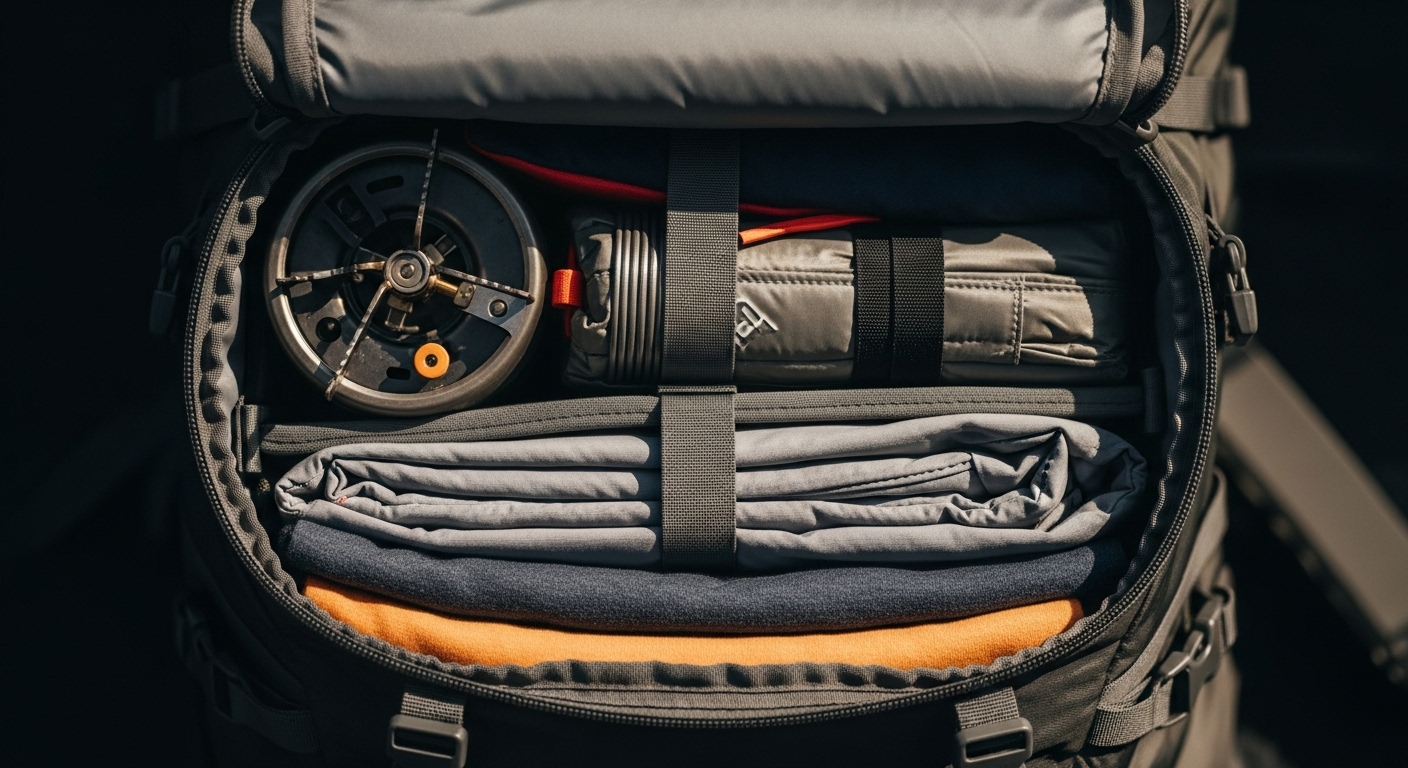
Canada Road Trip Packing Checklist
Start with the essentials that protect the trip, then remove anything your route, season and travelling party do not need.
Open the guide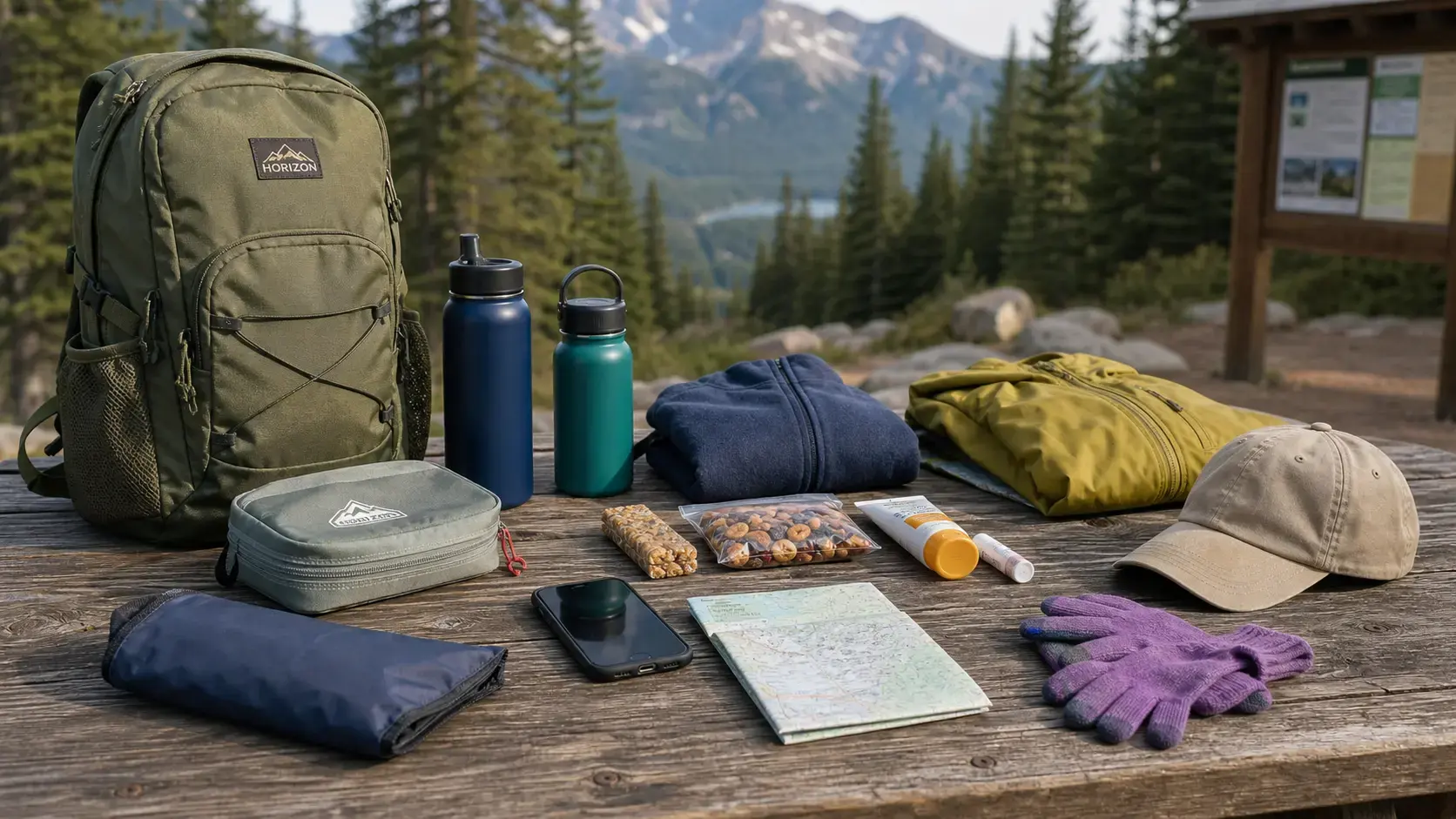
National parks · Day bag system
Canada National Park Day Bag Checklist
A good national park day bag is small enough to carry and organized enough to solve the ordinary problems that end good days early.
Open the guide
Canada · First-trip shortlist
Canadian Road Trips for First Visits
Canada is too large for a single “best” road trip. Start with the landscape you want, the driving rhythm you enjoy and the logistics you are ready to manage.
Open the guide