
British Columbia · Okanagan Valley
Okanagan Valley Road Trip Guide
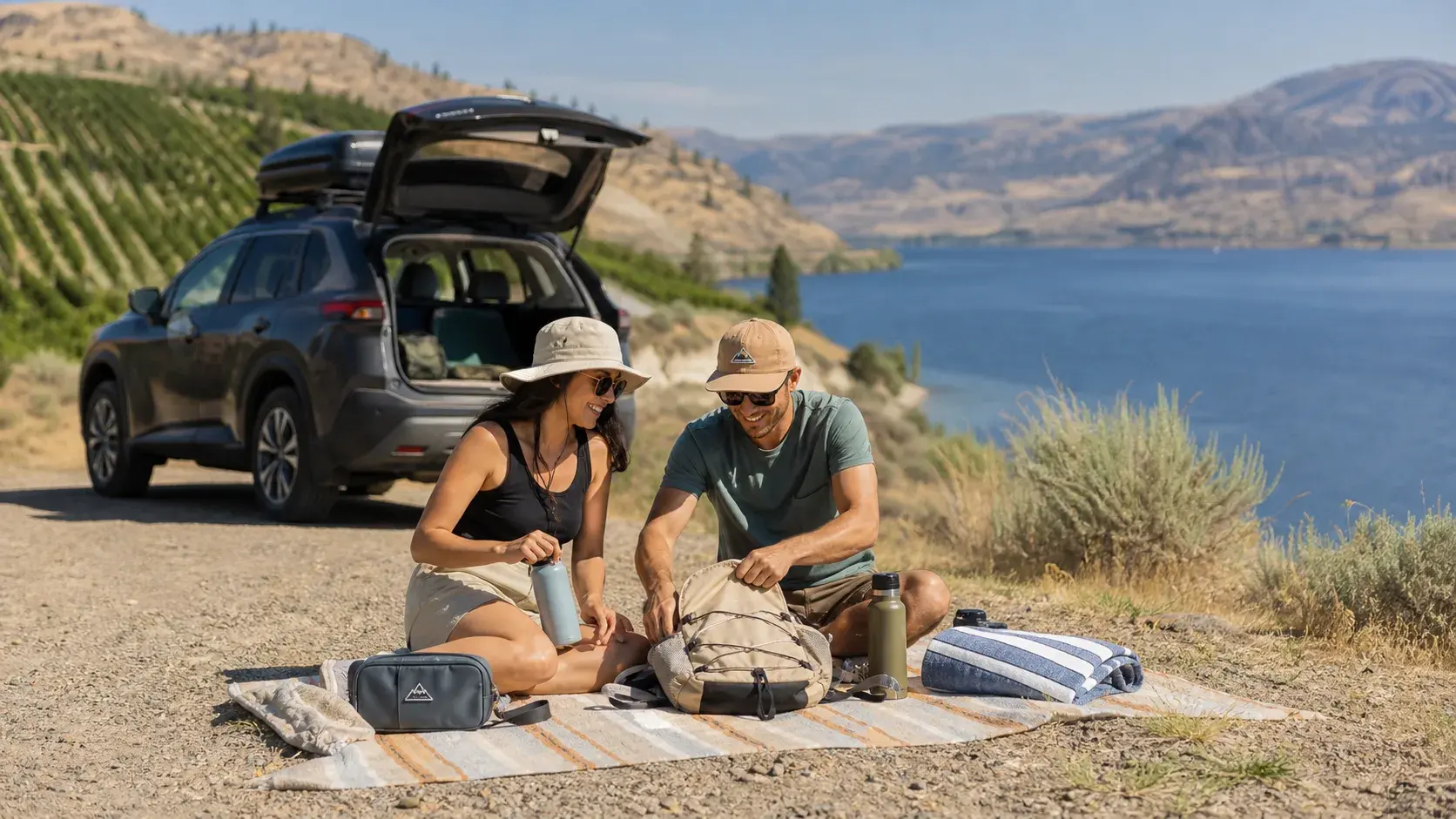
The Okanagan is one of British Columbia’s easiest regions to imagine and one of the easiest to overfill. Build the trip around bases, heat and official checks.
- Region
- Okanagan Valley, British Columbia
- Best for
- Families, newcomers, first-time BC road trippers, visiting relatives and travellers planning lake-town outdoor days
- Season
- Late spring through autumn is simplest; summer needs heat, smoke and wildfire checks
- Time
- Three to six days
By Horizon Outdoor Editorial TeamPublished 2026-08-30
Quick facts
- Core route
- Highway 97 through Vernon, Kelowna, Penticton and Osoyoos
- Best family shape
- Two bases, one lake stop and one light outdoor anchor per day
- Main checks
- DriveBC, weather alerts, AQHI, BC Wildfire and EmergencyInfoBC
- Main risks
- Heat, smoke, wildfire activity, long-weekend traffic and winter tire rules
Use the Okanagan for a lake-town road trip, not a race
The Okanagan works best when the drive has room to breathe. Destination BC frames the region around lakeside relaxation, outdoor adventure, wine touring, orchards and food culture.
For Horizon readers, the strongest version is a practical outdoor route with beaches, easy rides, short walks, fruit stands, calm meals and official condition checks built into the day.
- Good fit: lake beaches, orchards, rail trails, easy hikes and town-based food stops
- Good fit: families who want outdoor days with washrooms, shade and flexible exits nearby
- Less ideal: travellers trying to combine Vancouver, the full Okanagan and the Rockies in a short trip
- Best mindset: choose one anchor activity per day and leave room for heat, traffic, meals and rest
Build the route around bases instead of constant packing
A simple road-trip shape is Vernon or Lake Country first, Kelowna in the middle, then Penticton or Osoyoos for the south. Destination BC’s Okanagan Valley road trip highlights a valley route over four to six days, which is a useful reminder that the drive is better when each town gets time.
For a three-day trip, choose one main base and one day trip. For four to six days, use two bases: Vernon or Kelowna for the north and central valley, then Penticton or Osoyoos for the south.
- Three days: Kelowna base, Myra Canyon or Okanagan Rail Trail, Penticton or Lake Country day trip
- Four days: Vernon or Kelowna for two nights, Penticton or Osoyoos for two nights
- Five to six days: add Kalamalka Lake, Naramata, Skaha Lake, Okanagan Falls or Osoyoos Desert Centre
- Arrival day: keep it light when driving from the Lower Mainland or Calgary
Start with Vernon, Kalamalka Lake and an easy rail-trail day
Vernon is a practical north-valley start because it gives the trip a softer outdoor opening: lake views, beaches, family food stops and cycling or walking options. Tourism Vernon presents the area around hiking, biking, beaches, lakes and a large local trail network.
Kalamalka Lake Provincial Park is beautiful but not casual in hot, dry weather. Read BC Parks advisories before going, bring water and shade, keep children close near cliffs and avoid putting hands or feet into unseen crevices.
- Use Vernon as a calmer first base if arriving from the north, Calgary, Revelstoke or the Shuswap
- Choose Kalamalka Lake for colour, viewpoints and swimming, but read BC Parks advisories first
- Use the Okanagan Rail Trail for gentle, community-connected walking or cycling sections
- Pack water and shade gear before leaving town
Give Kelowna one real outdoor anchor, then protect lake time
Kelowna is the easiest central base because it has services, beaches, food, accommodation and several outdoor options within a short drive. The mistake is trying to turn one day into Myra Canyon, multiple wineries, downtown waterfront, a beach afternoon and a long dinner.
Myra Canyon is the strongest outdoor anchor for many visitors. Tourism Kelowna notes it is most popular from May to October, while BC Parks notes shared use, summer demand and access considerations. If that feels too much, a lakefront Kelowna day can still be complete.
- Best active anchor: Myra Canyon for biking, walking, trestles and views
- Best low-friction family stop: City Park with beach, playground, washrooms and downtown services nearby
- Lake safety matters: use lifejackets, check weather and avoid assuming warm air means low-risk water
- Clean, drain and dry water gear before moving between waterways
Slow down between Penticton, Skaha Lake and Osoyoos
The South Okanagan has the warm, open feeling many travellers picture before they arrive: beaches, orchards, dry hills, vineyards, lake roads and small-town stops. Penticton is useful for families because it sits between Okanagan Lake and Skaha Lake.
Skaha Bluffs is better treated as a specific outdoor stop, not a casual parking add-on. Check gate, parking, visitor numbers and park rules before making it the day’s anchor. Osoyoos can be a strong final base for desert landscape, lake time and Highway 3/97 services.
- Penticton: best for an easy two-lake family base with beaches, food and short drives
- Naramata and Summerland: good for slower scenic drives, orchards, lake views and adult food stops
- Skaha Bluffs: check gate, parking and park rules before going
- Osoyoos: useful as a warm South Okanagan endpoint with visitor services and desert ecology experiences
Check heat, smoke, wildfire and road conditions every travel day
The Okanagan’s main planning risk is not complexity; it is change. Destination BC’s Know Before You Go guidance tells travellers to monitor official sources before and during a trip because wildfire, weather, closures and transportation impacts can shift quickly.
Use DriveBC before leaving and again before moving between bases. Use Environment Canada for destination forecasts and alerts, AQHI for smoke, and BC Wildfire or EmergencyInfoBC during wildfire season.
- Before departure: DriveBC, Environment Canada forecast, weather alerts and AQHI
- During wildfire season: BC Wildfire prohibitions and EmergencyInfoBC evacuation pages
- If driving near wildfire activity: follow traffic control and do not stop in affected areas
- From October onward: verify winter tire rules for the highways and passes on your exact route
Pack for hot stops, wet swims and flexible exits
Okanagan packing should make the car easier to live from. Keep water, snacks, sun protection, swimsuits, towels, dry layers, medication and chargers reachable rather than buried under luggage.
For lake days, pack lifejackets for children and any paddling or boating plan. For parks, add sturdy shoes, extra water and respect for posted closures, fragile ecosystems and wildlife.
- Keep reachable: water, snacks, sunscreen, hats, sunglasses, medication, phone charger and offline route reference
- For lake days: towels, dry clothes, lifejackets, water shoes where useful and a wet-item bag
- For hot trail stops: sturdy shoes, extra water and a clear turnaround point
- For smoke or heat: switch to shorter stops, shaded beaches, indoor meals or rest time
Common planning mistakes
- Trying to cover Vernon, Kelowna, Penticton and Osoyoos in two rushed days
- Planning major hikes or bike rides in the hottest part of a summer day
- Relying on old saved maps during wildfire, evacuation or closure conditions
- Assuming every lake stop has shade, easy parking, lifeguards or full services
Printable companion
Download the Canada road trip checklist
A printable list for documents, driving, weather layers, park days and the essentials worth keeping within reach.
Download the free PDFQuestions travellers ask
How many days do you need for an Okanagan Valley road trip?
Three days can work if you choose one base and one or two nearby day trips. Four to six days is better for a relaxed north-to-south route through Vernon, Kelowna, Penticton and Osoyoos.
Is the Okanagan a good family road trip?
Yes, especially for families who want beaches, easy cycling, short walks, food stops and town services nearby. The key is pacing the trip around heat, meals, shade, parking and flexible exits.
When is the best time to visit the Okanagan?
Summer is best for swimming and lake days, but it can be hot, smoky and busy. Fall is often calmer for scenic drives, orchards, vineyards, food stops and cycling.
What should we do if there is wildfire smoke?
Check the Air Quality Health Index and official emergency sources, then reduce or reschedule strenuous outdoor activity when risk rises. Keep plans flexible and follow official guidance.
Sources and currency
Conditions change. Confirm dynamic details again before departure; each source shows its own last-checked date.
- Destination BC: Okanagan Valley destination overview (2026-08-30)
- Destination BC: A fall road trip through the Okanagan Valley (2026-08-30)
- Destination BC: Know Before You Go visitor advisories (2026-08-30)
- DriveBC: Current road conditions and highway events (2026-08-30)
- TranBC / Province of British Columbia: Current road advisories and emergency travel guidance (2026-08-30)
- EmergencyInfoBC: Current and verified emergency information in B.C. (2026-08-30)
- BC Wildfire Service: Fire prohibitions and restrictions (2026-08-30)
- Environment and Climate Change Canada: British Columbia Air Quality Health Index summary (2026-08-30)
- ICBC: Winter tires and designated route guidance (2026-08-30)
- Tourism Vernon: Official Vernon trip planner (2026-08-30)
- BC Parks: Kalamalka Lake Park visitor information and safety notes (2026-08-30)
- Okanagan Rail Trail: Okanagan Rail Trail trip planning information (2026-08-30)
- Tourism Kelowna: Myra Canyon season and access information (2026-08-30)
- BC Parks: Myra-Bellevue Park visitor information (2026-08-30)
- City of Kelowna: City Park amenities and seasonal waterpark note (2026-08-30)
- Tourism Kelowna: Lake and boating safety in Kelowna (2026-08-30)
- Visit Penticton: Penticton travel itineraries and beach day ideas (2026-08-30)
- City of Penticton: Penticton beaches and amenities (2026-08-30)
- BC Parks: Skaha Bluffs Park access, parking and visitor rules (2026-08-30)
- BC Parks: Okanagan Mountain Park safety, access and lake notes (2026-08-30)
- Town of Osoyoos / Destination Osoyoos: Osoyoos visitor services (2026-08-30)
- Osoyoos Desert Society: Osoyoos Desert Centre visitor and conservation information (2026-08-30)
- Transport Canada: Boating safety resources (2026-08-30)
Continue planning
Related field guides
Vancouver · Weekend road trips
Top 10 Road Trips from Vancouver
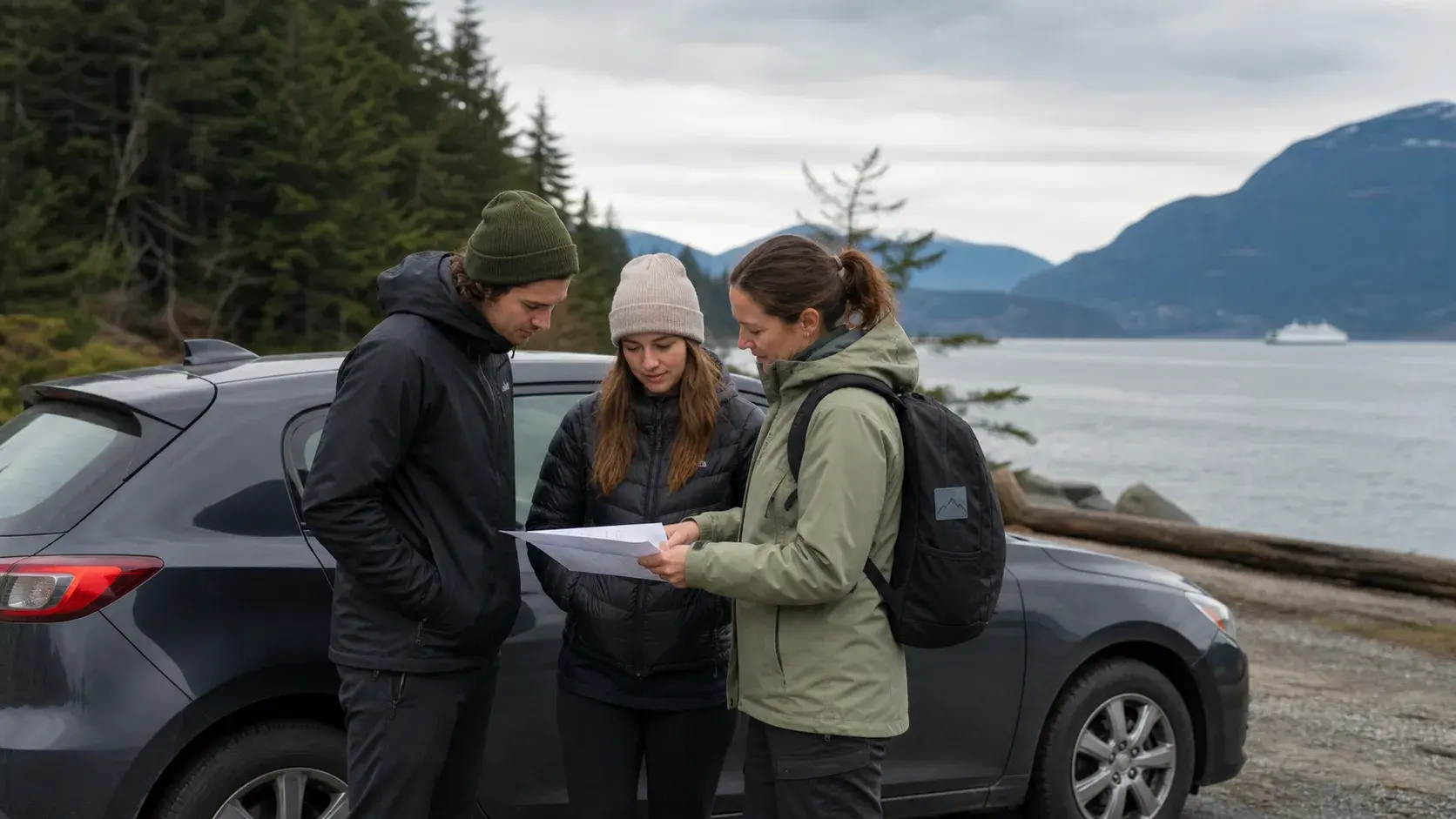
A good Vancouver road trip starts with the exit plan. Decide how much time you have, whether a ferry belongs in the day and how much mountain or coastal uncertainty your group can enjoy.
Open the guide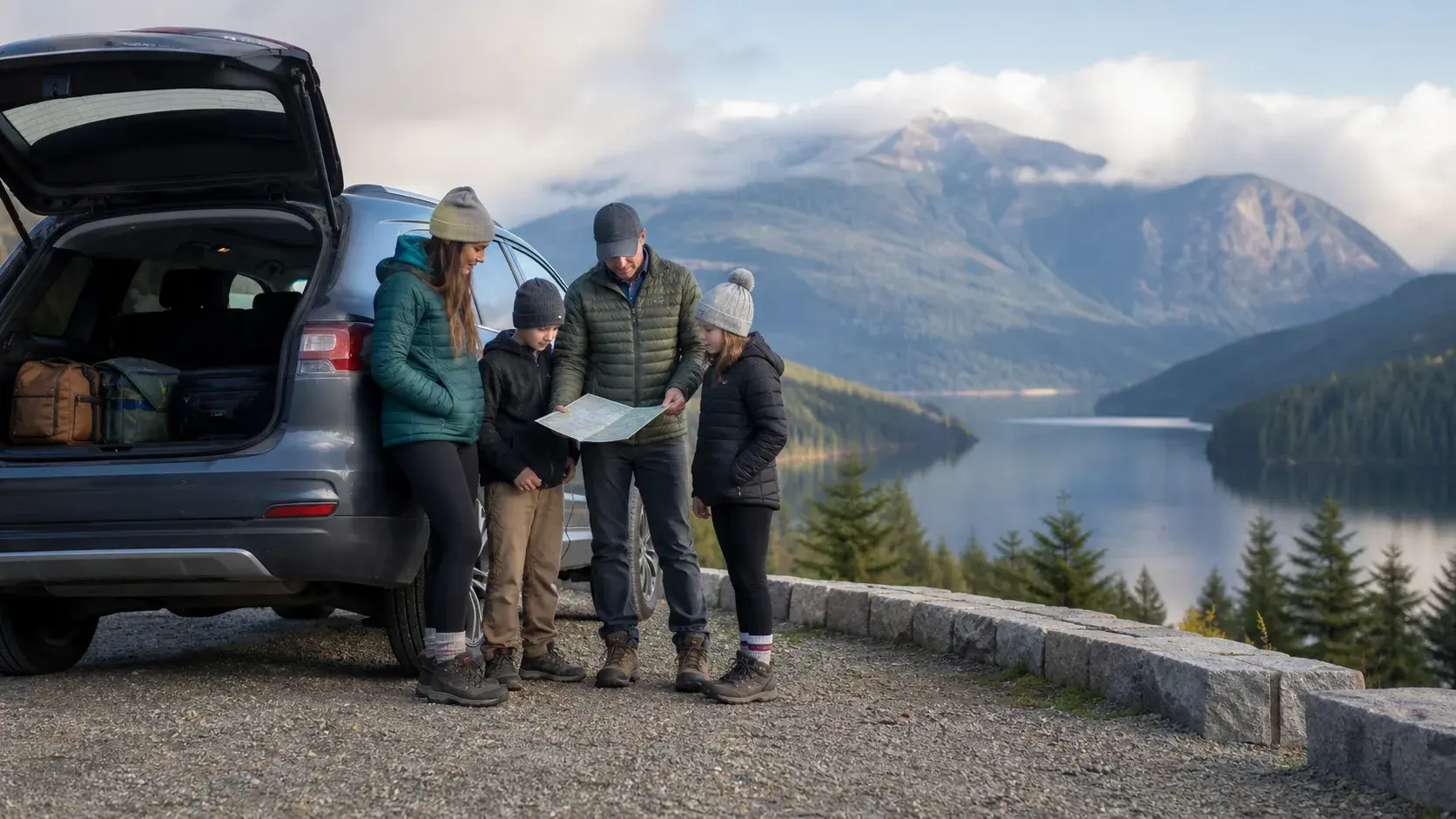
British Columbia · Scenic drive shortlist
Top 10 Scenic Drives in British Columbia
BC’s best drives are not interchangeable. Some are easy weekend routes near Vancouver; others ask for ferries, mountain weather, long distances or remote-road judgment.
Open the guide
Canada · First-trip shortlist
Canadian Road Trips for First Visits
Canada is too large for a single “best” road trip. Start with the landscape you want, the driving rhythm you enjoy and the logistics you are ready to manage.
Open the guide