
British Columbia · Scenic drive shortlist
Top 10 Scenic Drives in British Columbia
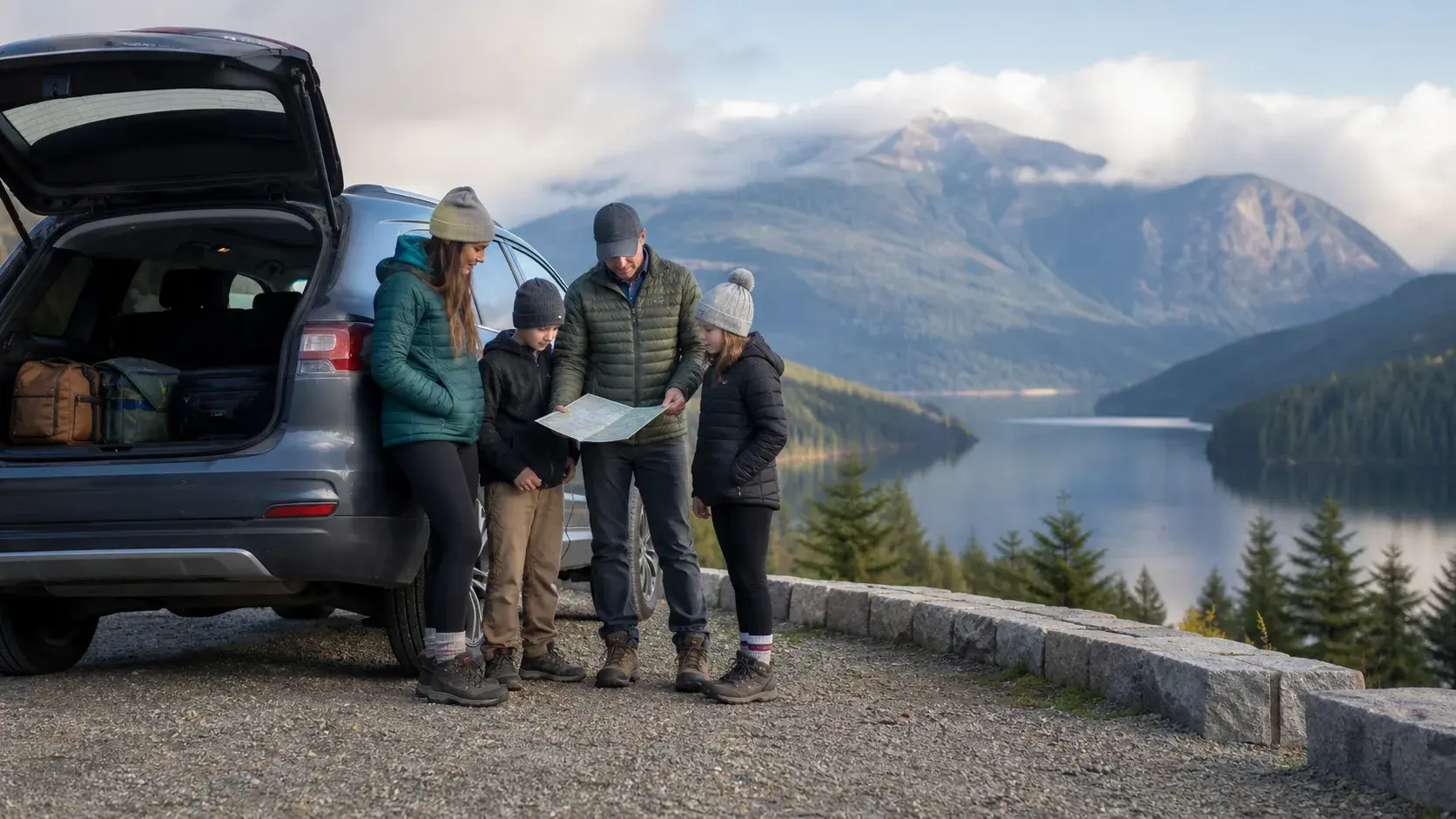
BC’s best drives are not interchangeable. Some are easy weekend routes near Vancouver; others ask for ferries, mountain weather, long distances or remote-road judgment.
- Region
- British Columbia, Canada
- Best for
- First-time BC visitors, family road trippers and scenic-drive travellers
- Season
- Late spring through early autumn for the broadest access; route-specific checks year-round
- Time
- One day to two weeks, depending on route
By Horizon Outdoor Editorial TeamPublished 2026-08-30Updated 2026-08-31
Quick facts
- Easiest first drive
- Sea to Sky Highway
- Best coastal route
- Vancouver Island or Sunshine Coast
- Best long-distance choice
- Route 16 or a Rockies-bound route with enough days
- Before departure
- Check DriveBC, ferry status, park notices and weather
Choose by planning effort, not only scenery
British Columbia can make a short drive feel large. Ferries, mountain passes, wildfire smoke, winter tires, construction, remote fuel gaps and changing weather all affect whether a scenic route fits your trip. Start with the number of days, the season and the kind of driving your group can enjoy.
A first BC itinerary should usually favour one region. Sea to Sky, the Sunshine Coast, Vancouver Island and the Okanagan can each be a complete trip when paced well. Northern and interior routes are rewarding, but they need more daylight, services planning and route checks.
- One day: stay close to Vancouver or another base
- Three to five days: choose one coastal, island or valley route
- One week or more: consider northern, Kootenay or Rockies connections
- Any season: check road, weather, ferry and park conditions before leaving
Best first scenic drives near Vancouver
The Sea to Sky Highway is the most straightforward first choice from Vancouver because it quickly moves from ocean-edge driving to mountain towns, waterfalls and Whistler-area stops. It is still a real highway day: traffic, weather, construction and parking can change the experience.
The Sunshine Coast is a slower coastal option. It starts with a ferry and rewards travellers who leave room for small communities, beaches and forest stops instead of treating the route as a simple out-and-back drive.
- Sea to Sky Highway: best for a compact first BC route
- Sunshine Coast: best for a slower ferry-and-coast trip
- Bowen Island or Horseshoe Bay add-on: best as a small coastal day, not a packed road trip
- Fraser Valley and Harrison area: useful when you want farmland, rivers and mountain views without a ferry
Best coastal routes when ferries are part of the story
Vancouver Island is better planned as a series of bases than as a race around a map. Victoria and the south island, Nanaimo and the central island, and the west-coast approach to Pacific Rim all create different trip shapes.
For families, the ferry route and first overnight should come before the beach list. A trip to Tofino or Ucluelet adds Highway 4, coastal weather and Pacific Rim safety checks, so it deserves more margin than a normal city-to-city drive.
- Vancouver Island loop: best for beaches, forests and small towns over several days
- Vancouver to Tofino: best for a focused west-coast family trip
- Victoria and south island: best for a gentler first island visit
- Pacific Rim approach: best when tide, surf and park notices are part of the plan
Best valley and interior drives
The Okanagan works when you want lakes, orchards, wine-country scenery and town-based outdoor days. It is less remote than many BC routes, but heat, smoke, seasonal demand and long weekend traffic can still change the right itinerary.
Highway 3 and the Kootenays offer a different rhythm: mountain towns, passes, lakes and quieter communities. They are better treated as multi-day drives, especially outside summer, when winter tire rules and mountain weather can matter.
- Okanagan Valley: best for lake towns, food stops and warm-weather pacing
- Highway 3 / Crowsnest corridor: best for a southern mountain-and-valley route
- Kootenay Rockies: best for travellers with enough days for passes and small towns
- Powder Highway region: best for experienced winter planners, not a casual snow-road shortcut
Best long-distance scenic drives for experienced planners
Northern BC routes create scale that short coastal drives cannot. Route 16 connects mountain, river and coastal landscapes over a long east-west corridor, while the Alaska Highway and northern loops demand more planning for fuel, weather, distances and emergency margin.
These are not routes to add casually because they look dramatic. If your trip depends on remote roads, keep a wider buffer, review seasonal services and build a route plan that still works if a segment changes.
- Route 16 / Yellowhead: best for a long northern corridor with mountain and river scenery
- Alaska Highway in Northern BC: best for remote-road travellers with time and preparation
- Great Northern Circle-style routes: best when the trip has ten or more days
- Remote routes: check services, weather and road conditions more than once
Pack for route friction, not for every possible adventure
Good scenic-drive packing keeps the useful things reachable: water, snacks, weather layers, basic first aid, chargers, offline maps and a small trash or wet-item pouch. The longer or more remote the drive, the more important it becomes to separate the day bag from luggage.
A Horizon-style road-trip kit should reduce friction. If a stop changes, passengers get cold, a ferry wait expands or a park walk becomes shorter than planned, the car should still support a calm day.
- Keep water, snacks, medication and layers accessible while driving
- Use a smaller day bag for ferry decks, viewpoints and short walks
- Download maps before remote or mountain segments
- Carry a dry layer and cleanup pouch for coastal and family stops
A practical top 10 shortlist
Use this list as a decision tool rather than a ranking of beauty. If you have one day from Vancouver, choose Sea to Sky, a Fraser Valley drive or a small coastal ferry outing. If you have three to five days, choose Sunshine Coast, Vancouver Island or the Okanagan. If you have a week or more, look at Route 16, Highway 3, the Kootenays or a Rockies-bound route.
The right scenic drive is the one that gives the scenery enough time. When the route starts to depend on perfect weather, perfect traffic, a perfect ferry and no tired passengers, simplify it.
- 1. Sea to Sky Highway
- 2. Vancouver Island loop
- 3. Vancouver to Tofino and Pacific Rim
- 4. Sunshine Coast
- 5. Okanagan Valley
- 6. Fraser Valley and Harrison area
- 7. Highway 3 and the southern Kootenays
- 8. Route 16 / Yellowhead
- 9. Northern BC / Alaska Highway approach
- 10. Rockies-bound BC route with Icefields Parkway extension
Common planning mistakes
- Choosing a scenic drive before choosing a realistic number of days
- Treating ferry routes, mountain passes or remote roads as minor details
- Saving official road, ferry, weather and park checks until the morning feels rushed
- Planning a long drive and a major hike on the same day
- Packing the useful items under luggage instead of keeping them reachable
Printable companion
Download the scenic drive comfort checklist
A printable list for an unhurried drive, with comfort, medication, weather, food and roadside essentials kept easy to reach.
Download the free PDFQuestions travellers ask
What is the easiest scenic drive in BC for first-time visitors?
The Sea to Sky Highway is usually the easiest first choice from Vancouver because it is compact and scenic. Check DriveBC and the specific park or stop pages before leaving, especially during busy or unsettled weather periods.
Can I see Vancouver Island and the Okanagan in one short trip?
You can connect them with enough days, but they are better as separate trips for most first-time visitors. Ferry timing, driving distance and weather buffers matter more than adding another region.
Which BC scenic drive is best for families?
Sea to Sky, Sunshine Coast, Vancouver Island and the Okanagan can all work for families when the plan is paced around food, washrooms, short stops and a flexible exit.
When should I avoid remote BC drives?
Avoid remote routes when you cannot check current conditions, carry a basic road kit, handle limited services or leave extra time for weather, closures and long distances.
Sources and currency
Conditions change. Confirm dynamic details again before departure; each source shows its own last-checked date.
- Destination Canada: Scenic drives through British Columbia (2026-08-30)
- Destination BC: British Columbia travel ideas and regional trip inspiration (2026-08-30)
- Destination BC: Sea-to-Sky Highway route (2026-08-30)
- Destination BC: Okanagan Valley road trip (2026-08-30)
- Destination BC: Northern BC Route 16 road trip (2026-08-30)
- Sunshine Coast Tourism: Sunshine Coast getting here and getting around (2026-08-30)
- BC Ferries: BC Ferries schedules, bookings and current conditions (2026-08-30)
- DriveBC: Current road conditions, events and highway cameras (2026-08-30)
- BC Parks: BC Parks staying safe guidance (2026-08-30)
- Parks Canada: Pacific Rim National Park Reserve visitor information (2026-08-30)
Continue planning
Related field guides
British Columbia · Okanagan Valley
Okanagan Valley Road Trip Guide
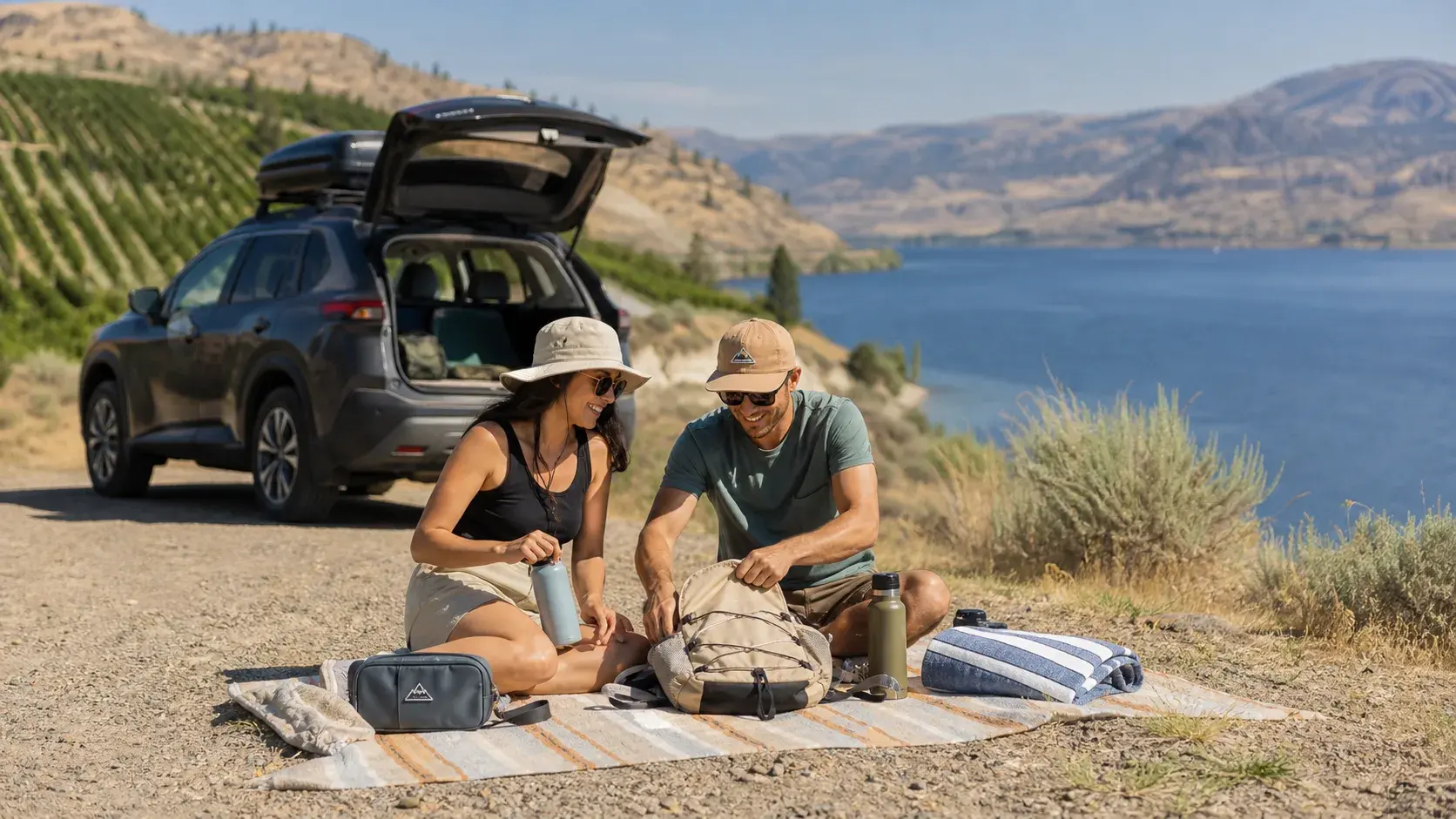
The Okanagan is one of British Columbia’s easiest regions to imagine and one of the easiest to overfill. Build the trip around bases, heat and official checks.
Open the guide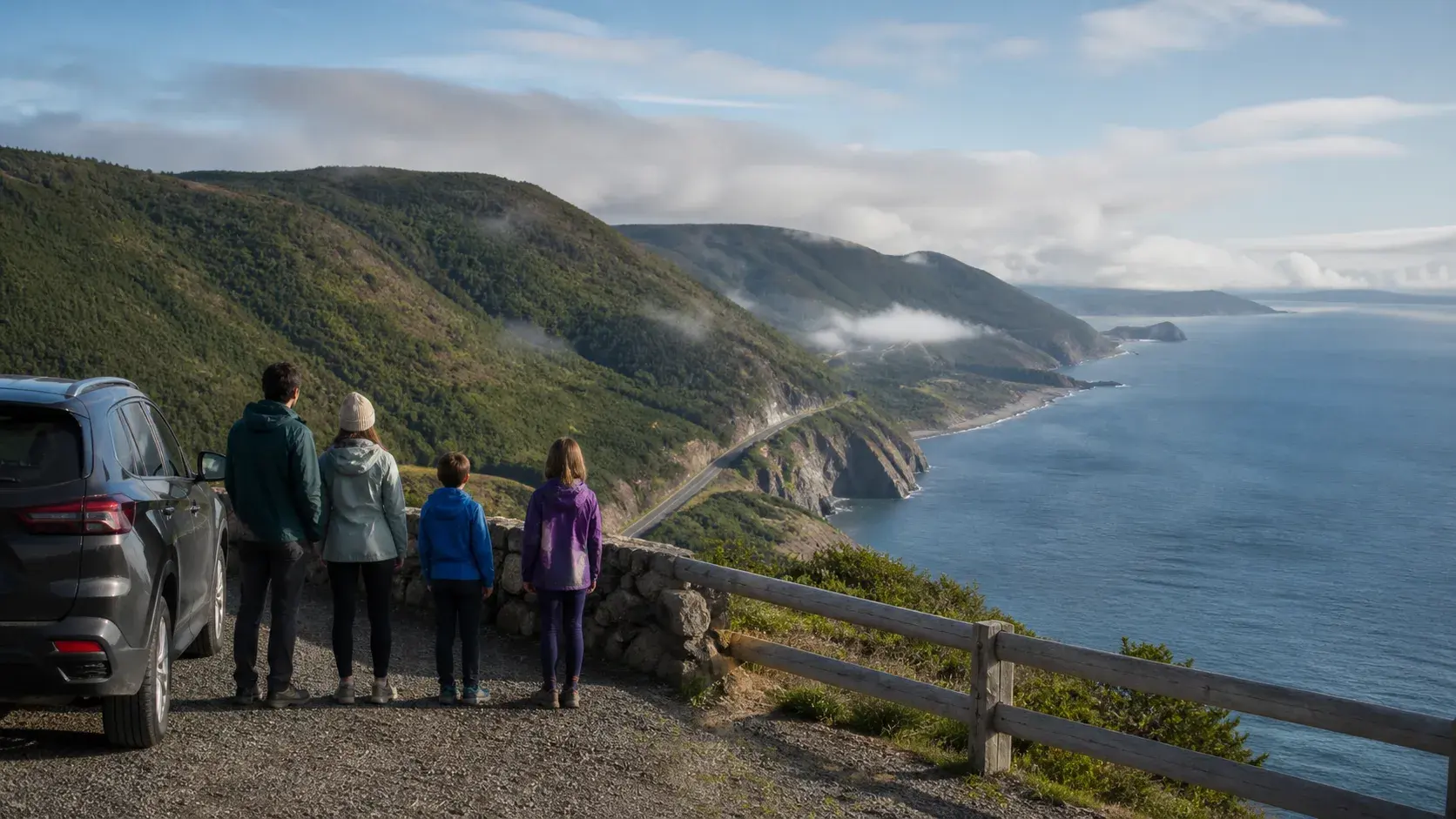
Nova Scotia · Cape Breton
Cabot Trail Road Trip Guide
The Cabot Trail is not a loop to finish. It is a coastal-and-highland drive where the best moments often come from slowing down.
Open the guide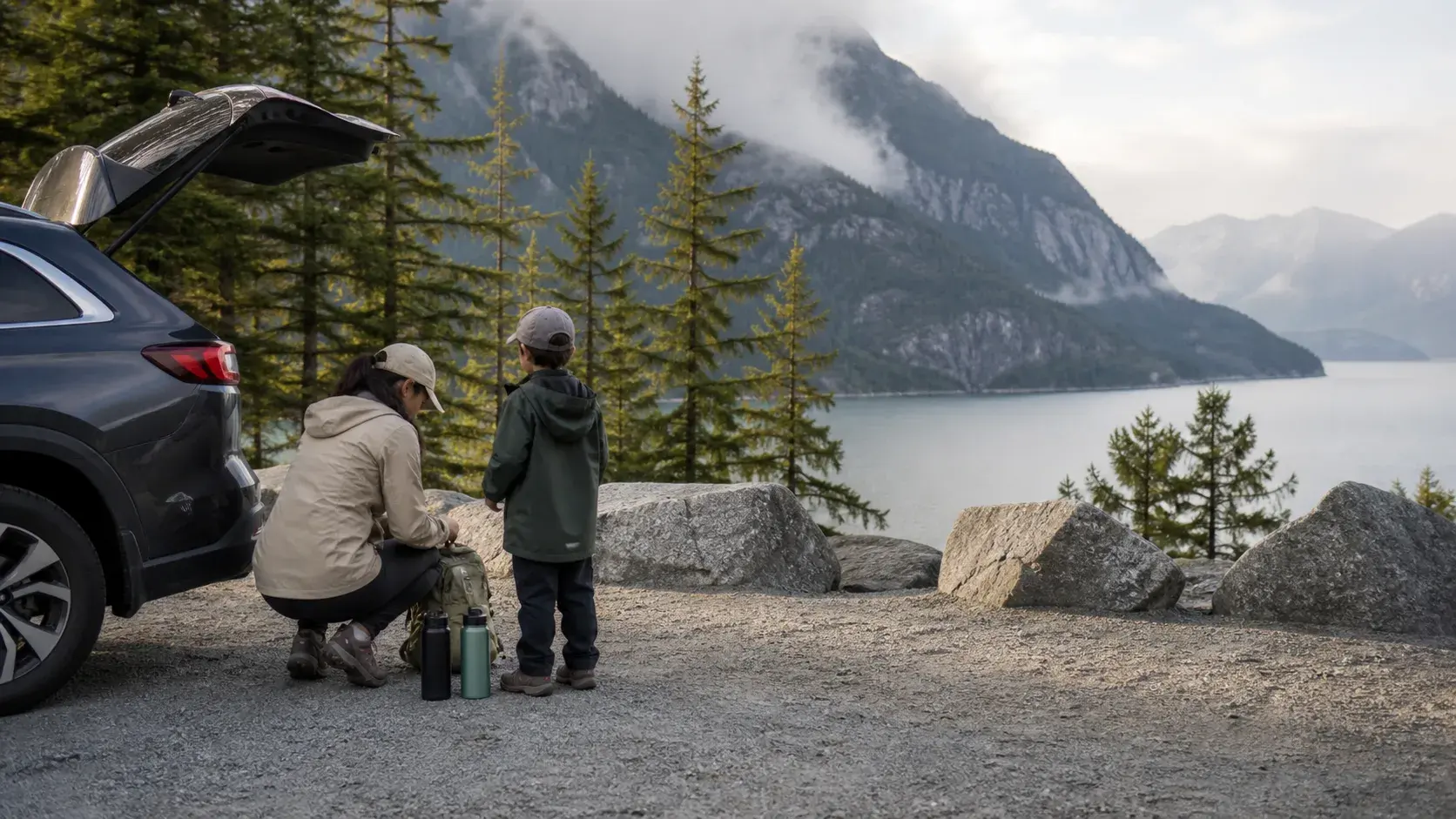
British Columbia · Highway 99
Sea to Sky Highway Road Trip Guide
Ocean, granite, forest and mountain towns arrive quickly on this compact BC route. Choose a few strong stops, check conditions before departure and protect the return drive from becoming rushed.
Open the guide