
Road-trip reset · Common mistakes
Canada Road Trip Packing Mistakes
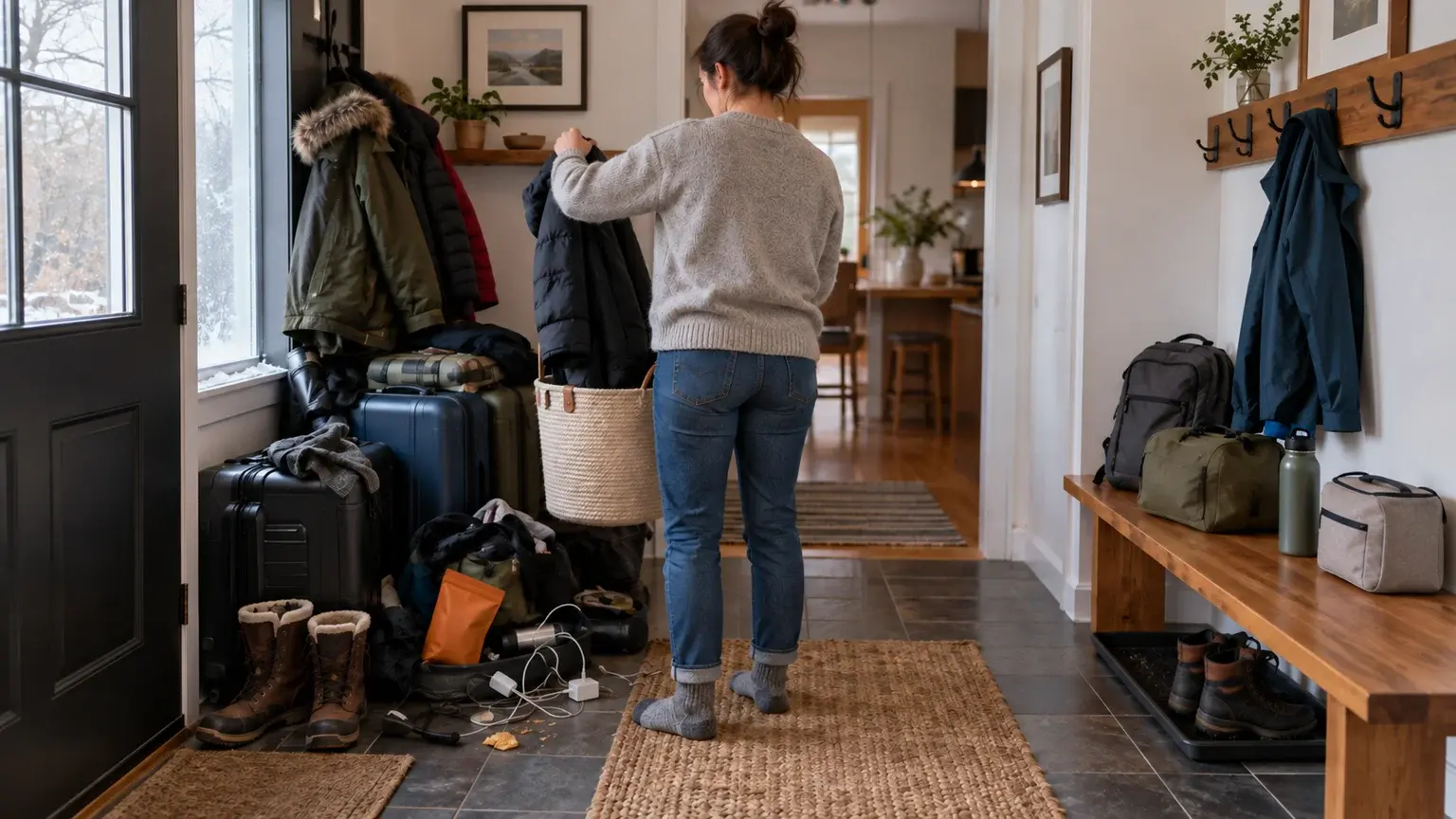
Most packing problems are not caused by one forgotten gadget. They come from packing without a route, loading without an access order and leaving no room to reset the vehicle after an ordinary day outside.
- Region
- Canada
- Best for
- Families, first-time visitors and independent road-trippers refining an existing packing list
- Season
- Year-round, with route- and season-specific corrections
- Time
- 20-minute pre-loading audit
By Horizon Outdoor Editorial TeamPublished 2026-09-10
Quick facts
- Best correction
- Pack from a written route and activity list
- Access test
- Reach daily essentials without unloading the car
- Space rule
- Leave room for passengers, sightlines and wet-item separation
- Final edit
- Remove items for activities no longer in the plan
Mistake: packing for “Canada” instead of the route
Canada is too large and varied for a single weather or service assumption. A ferry day, city weekend, mountain corridor and remote northern road need different margins. A generic master list becomes useful only after it is edited against the overnight bases, fixed reservations, planned walks and longest distance between services.
Fix it by writing a one-page route sheet. Mark the coldest or most exposed stop, the least-serviced segment and the items required by each confirmed activity. Remove specialist gear when the specialist activity is not part of the plan.
- Write the actual route and overnight bases
- Mark service gaps and exposed stops
- Pack only for confirmed or realistic activities
Mistake: owning the right item but burying it
A rain shell under three suitcases does not help during a sudden stop. Medication, water, phone power, documents, one warm layer and simple first aid must stay reachable without unloading beside traffic. The same is true for an ice scraper or warning equipment when conditions require them.
Fix it with access zones: cabin essentials, top-of-luggage day gear, secure lower storage and a separate wet zone. Load the vehicle in the order the next day will happen, then perform a physical reach test before departure.
- Cabin: medication, documents, water and phone power
- Top layer: day bag, shell and next overnight bag
- Lower storage: later-trip and infrequent items
- Reach test after the vehicle is fully loaded
Mistake: using volume as a substitute for decisions
Duplicates, “just in case” appliances and several incompatible clothing systems consume passenger space while making useful items harder to find. More equipment also increases the time needed to check out, reload and notice that something important is missing.
Fix it by assigning a job to every bulky item. Use compatible layers, shared group equipment and a small arrival bag. Preserve clear sightlines and comfortable passenger space, secure heavy objects and leave one empty zone for groceries or wet returns.
- One compatible clothing system per person
- Shared group items instead of unnecessary duplicates
- One first-night or arrival bag
- An intentionally empty recovery zone
Mistake: letting food and wet gear spread through the car
Loose snacks, open coolers, muddy footwear and damp towels make every stop slower. In wildlife country, unattended food, garbage and scented items can also create a serious conflict. Even an empty cooler or toiletries may count as attractants under current park rules.
Fix it with closed food storage, a dedicated waste container and a washable wet tray or bag. At a campsite, follow the exact park’s current storage system and keep attractants in the required hard-sided vehicle or locker when not in use. Reset both zones every evening.
- Closed food and snack container
- Separate garbage and recycling system
- Washable tray or wet bag for footwear and clothing
- Current park-specific wildlife storage check
Mistake: packing from an old plan and driving from an old screenshot
Weather, roads, ferry service, park access and activity availability can change after the suitcase is closed. An old screenshot can preserve the confirmation number, but it cannot prove that the route or rule is current. Extra gear does not solve a closure or severe-weather warning.
Fix it with a departure reset. Read the full weather alert, check the relevant road and park source, confirm the first fuel or charging stop and remove equipment for cancelled activities. The final edit should make the vehicle simpler, not merely add another layer of insurance.
- Current weather and road check
- Current park, ferry or activity status
- Fuel, charging and daylight margin
- Remove items tied to cancelled plans
Common planning mistakes
- Using a generic destination list without a written route
- Burying medication and weather layers under luggage
- Filling every space before groceries or wet gear are added
- Leaving food or scented items unmanaged in wildlife country
- Treating an old screenshot as current operational information
Printable companion
Download the family road trip checklist
A printable family list for car comfort, weather changes, food stops, simple outdoor days and backup plans.
Download the free PDFQuestions travellers ask
How do we know whether we are overpacking?
If every space is full before food, wet returns and daily access are considered, remove items. Each bulky object should support a confirmed activity, safety function or essential comfort need.
What must remain immediately accessible?
Keep medication, documents, water, phone power, a weather layer and relevant emergency equipment reachable without roadside unloading.
Can food stay in the tent or open truck bed?
Do not assume so. In many park settings, all food and scented items must be secured in a hard-sided vehicle or designated storage locker when unattended. Follow the exact park rules.
When should the final packing check happen?
Review one week before departure, then reset after the latest weather, road and activity information shortly before leaving.
Sources and currency
Conditions change. Confirm dynamic details again before departure; each source shows its own last-checked date.
- Transport Canada: Planning a winter road trip (2026-09-10)
- Transport Canada: Driving safely in winter (2026-09-10)
- Environment and Climate Change Canada: Weather alerts in Canada (2026-09-10)
- Government of Canada: Emergency car kit (2026-09-10)
- Government of Canada: Emergency kit checklist (2026-09-10)
- Parks Canada: Food and scented-item storage in park wildlife country (2026-09-10)
- Parks Canada: Bare Campsite Program (2026-09-10)
- Parks Canada: Parks Canada travel planning (2026-09-10)
Continue planning
Related field guides
Printable planning guide
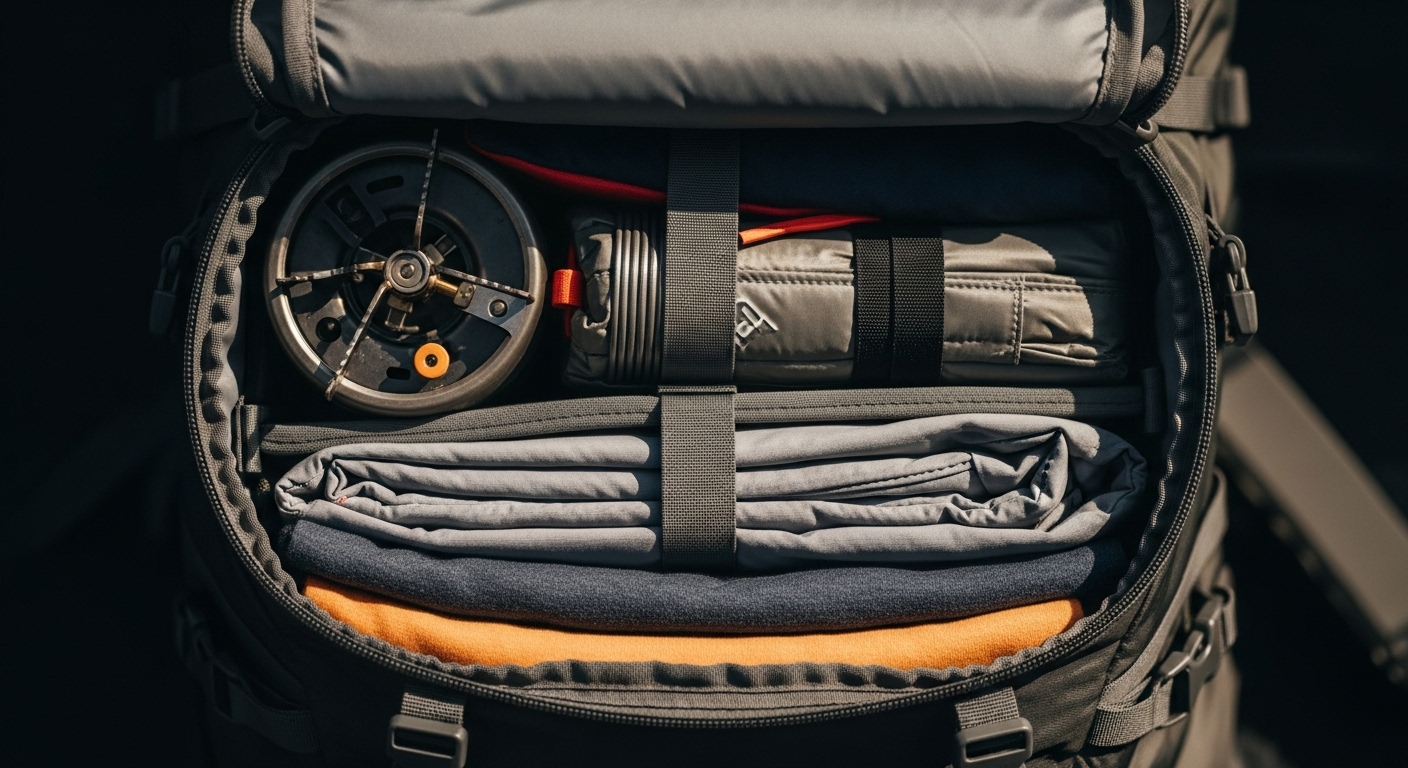
Canada Road Trip Packing Checklist
Start with the essentials that protect the trip, then remove anything your route, season and travelling party do not need.
Open the guide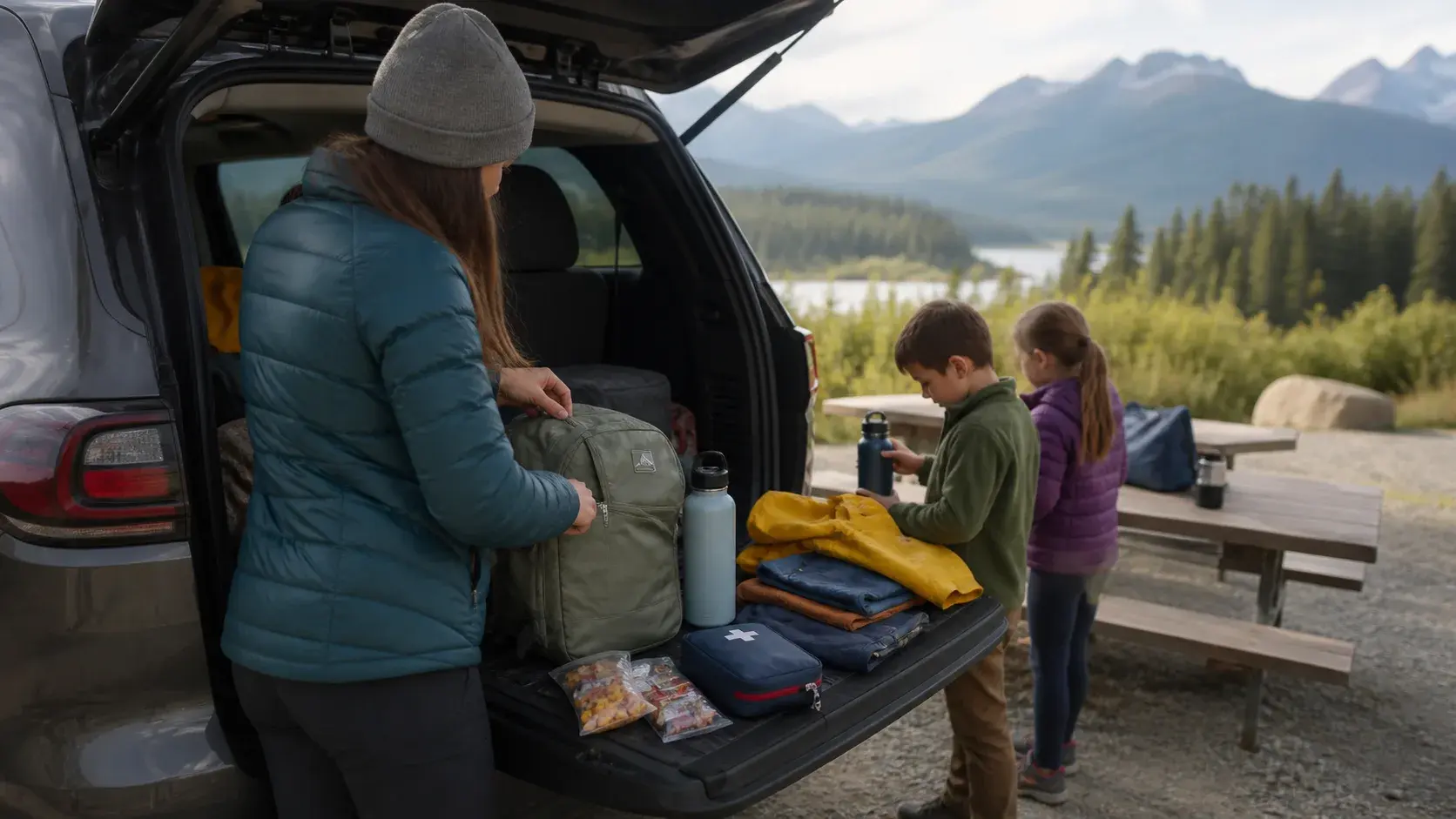
Family car packing
Family Road Trip Packing List
A family road trip is easier when the essentials are packed by the moment they will be needed, not by the category they belong to at home.
Open the guide
Canada · First-trip shortlist
Canadian Road Trips for First Visits
Canada is too large for a single “best” road trip. Start with the landscape you want, the driving rhythm you enjoy and the logistics you are ready to manage.
Open the guide