
Family car packing
Family Road Trip Packing List
A family road trip is easier when the essentials are packed by the moment they will be needed, not by the category they belong to at home.
- Region
- Canada
- Best for
- Families planning road trips, ferry weekends, park days and scenic drives with children
- Season
- Year-round with route, weather and winter adjustments
- Time
- 20-minute packing reset before departure
By Horizon Outdoor Editorial TeamPublished 2026-08-30
Quick facts
- Pack first
- Documents, medication, child seats and the next-hour day bag
- Keep reachable
- Water, snacks, wipes, layers, chargers and first aid
- Store separately
- Wet-item bags, backup clothes, towels and larger luggage
- Before leaving
- Check road conditions, weather and destination notices
Start with the items that protect the trip
Before clothes and snacks, pack the items that would be hardest to replace on the road: identification, booking details, insurance, medication, child-care essentials and route information. Keep them in one adult-controlled place rather than scattered through luggage.
This is also the point to check live road, weather and destination notices. A packing list should change when the route changes, especially when a ferry, mountain highway, park closure or heat warning is part of the day.
- Driver licence, insurance and rental or vehicle details
- Accommodation, ferry, park and activity confirmations saved offline
- Medication and child-specific care items kept under adult control
- Current road, weather and destination advisories checked before leaving
Set up the child seat and passenger zone before luggage
The seating area should be ready before bags fill the vehicle. Confirm every child uses the seat or booster appropriate for their stage and the manufacturer’s instructions, then keep straps, buckles and foot space clear.
Avoid turning the cabin into a soft storage shelf. Pillows, blankets, toys and loose gear should never interfere with the restraint system, roll near the driver or block visibility.
- Child seat or booster checked before luggage is loaded
- Harness, buckle and head support unobstructed
- One small soft comfort item instead of a pile of loose objects
- Driver sightlines, mirrors and footwell kept clear
Build one reachable family day bag
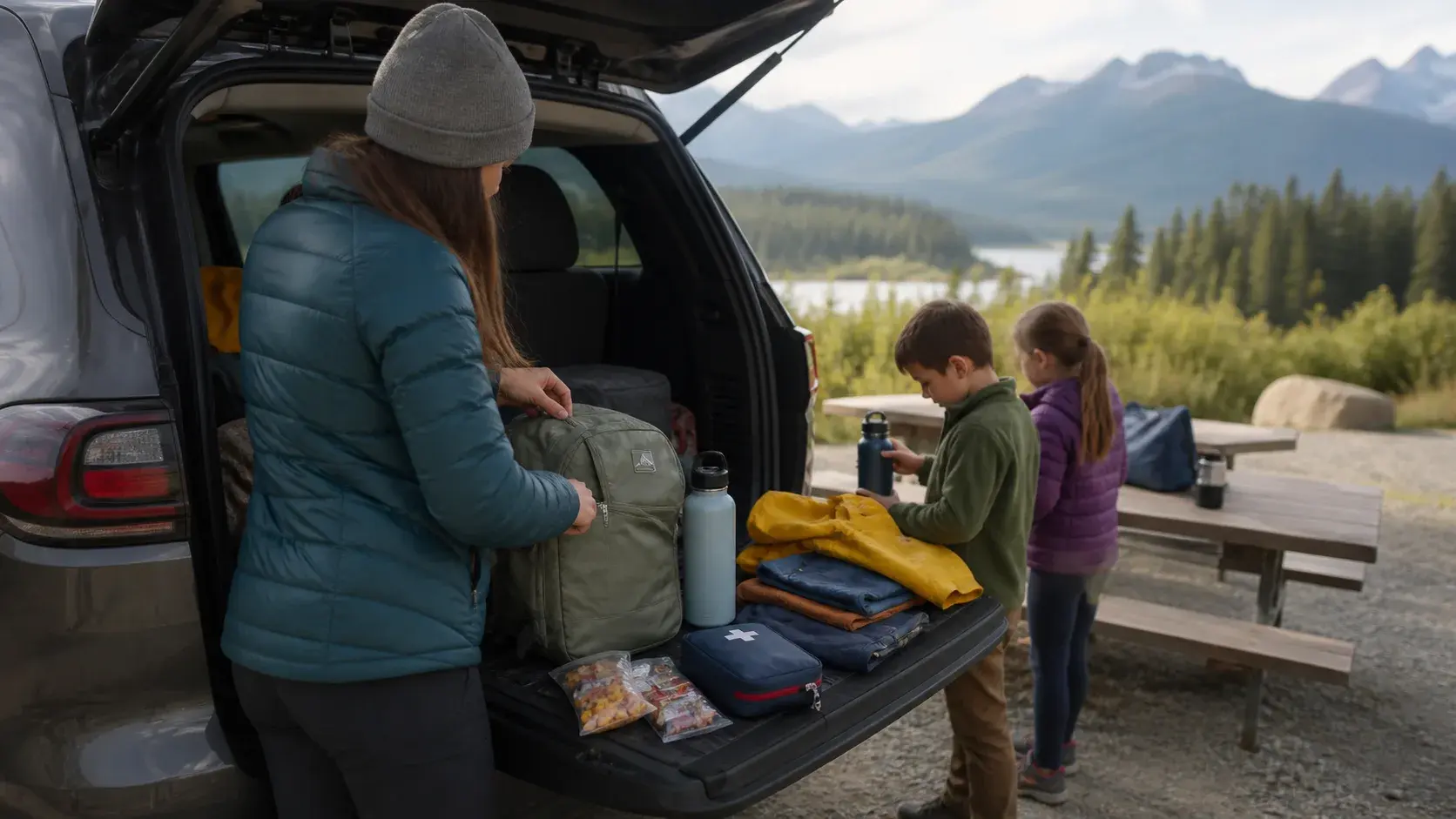
The family day bag is for the next stop, not the whole trip. It should carry water, snacks, layers, wipes, medication, small first aid, a phone power option and one child backup item.
Place it where an adult can reach it at a rest area, ferry terminal, picnic stop or short walk without unloading the trunk. That one decision prevents most roadside repacking.
- Water and familiar snacks for the next segment
- Medication, first aid, wipes, tissues and waste pouch
- One rain or warm layer for the person most likely to need it first
- Power bank, charging cable and offline route information
Separate ride-home backups from daily-use items
Full clothing changes, towels, wet-item bags and extra shoes belong in a sealed backup zone. Keep one complete child change per child, labelled by person.
The point is to protect the return drive from spills, rain, mud or beach sand without turning the main cabin into a storage area.
- Labelled dry clothing bundle for each child
- Towel or seat cover for wet or muddy returns
- Separate closable wet-item bag
- Backup footwear or socks where the route makes that useful
Pack food so it stays useful and safe
Road food should be easy to serve, low-mess and matched to the temperature of the day. Keep drinking water separate from the cooler so the food cooler is not opened constantly.
Perishable items need cold storage with ice packs and should not sit in a warm vehicle longer than official food-safety guidance allows. A simple food plan reduces forced stops and keeps the car calmer.
- Water bottles where passengers can reach them during stops
- Low-mess snacks and a simple meal backup
- Cooler with ice packs for perishable food
- Separate waste pouch and cleanup cloth
Finish with a short departure and reset routine
The final check should be short enough to repeat: road conditions, weather alerts, fuel or charging, documents, medication, child bag, snacks and return-home backups.
After the trip, empty waste, dry wet items, restock used supplies and return the family day bag to a known setup before the next outing.
- Check DriveBC, weather alerts and destination notices
- Confirm fuel or charging margin before leaving town
- Restock snacks, first aid, wipes and child backups after returning
- Remove items that were packed but never used
Common planning mistakes
- Burying medication, water, snacks or rain layers under overnight luggage
- Loading the trunk before checking child seats and passenger foot space
- Packing for the destination photo instead of the first roadside delay
- Letting wet clothes, towels and beach sand return to the main cabin
Printable companion
Download the family road trip checklist
A printable family list for car comfort, weather changes, food stops, simple outdoor days and backup plans.
Download the free PDFQuestions travellers ask
How should we pack the car for a family road trip?
Pack by access. Put documents, medication, water, snacks, layers and child needs where an adult can reach them, then keep full clothing changes and larger gear in a separate backup zone.
What should not be buried in the trunk?
Do not bury medication, child snacks, water, wipes, booking details, rain layers, chargers or anything needed before the next planned stop.
Do we need a different list for winter?
Yes. This is a general family road-trip list. Winter routes need current provincial guidance, proper tires, extra vehicle supplies and more conservative timing.
How much food should we bring?
Bring enough familiar food and water for the planned drive plus a modest delay. Keep perishable items cold according to official food-safety guidance.
Sources and currency
Conditions change. Confirm dynamic details again before departure; each source shows its own last-checked date.
- DriveBC: Current road conditions, events and highway cameras (2026-08-30)
- Environment and Climate Change Canada: Weather forecasts, warnings, watches and advisories (2026-08-30)
- Transport Canada: Child car seat and booster seat safety (2026-08-30)
- Transport Canada: Driver distraction and road safety guidance (2026-08-30)
- PreparedBC: Emergency kit and grab-and-go bag basics (2026-08-30)
- AdventureSmart: Outdoor essentials for trip planning (2026-08-30)
- BC Parks: Staying safe while visiting BC Parks (2026-08-30)
- BC Parks: Responsible recreation in BC Parks (2026-08-30)
- Health Canada: Summer food safety tips for coolers and perishable food (2026-08-30)
Continue planning
Related field guides
Printable planning guide
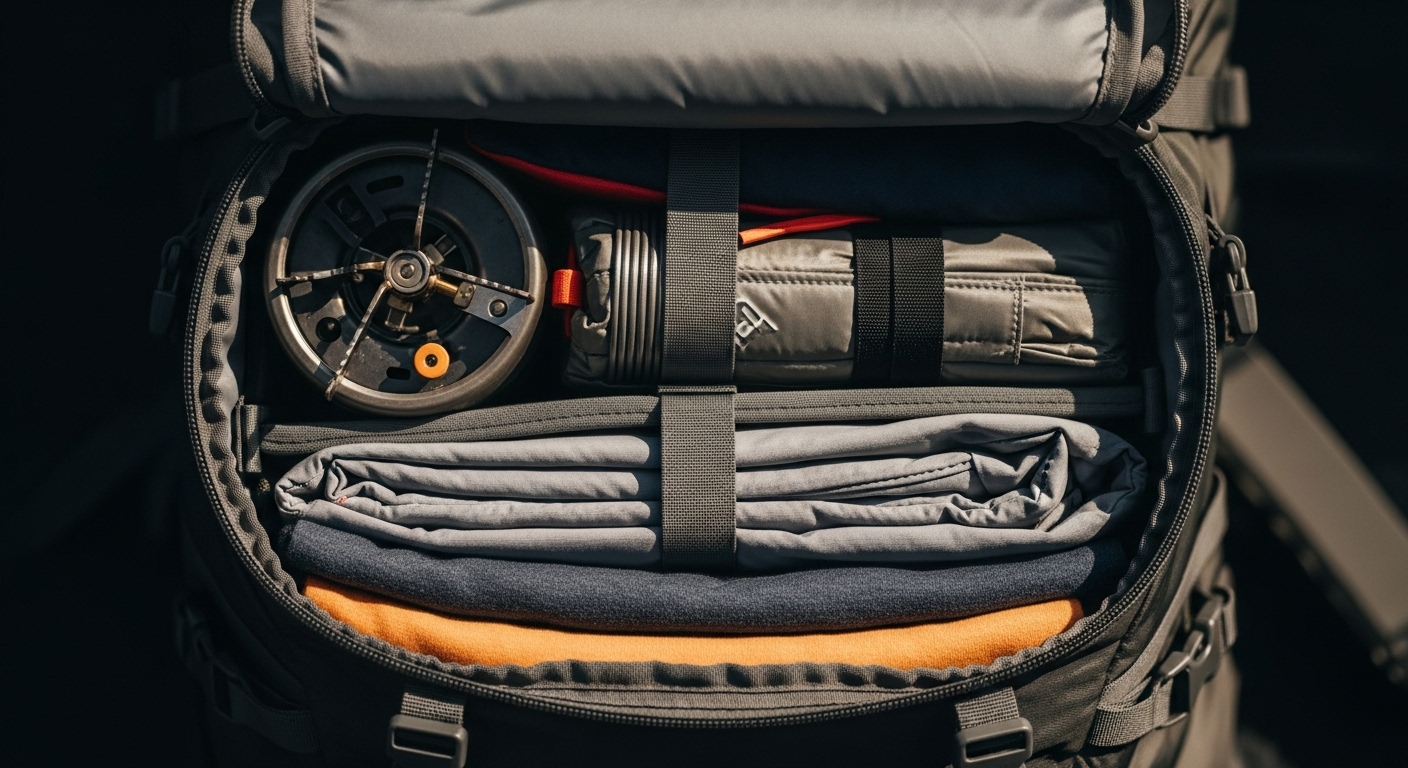
Canada Road Trip Packing Checklist
Start with the essentials that protect the trip, then remove anything your route, season and travelling party do not need.
Open the guide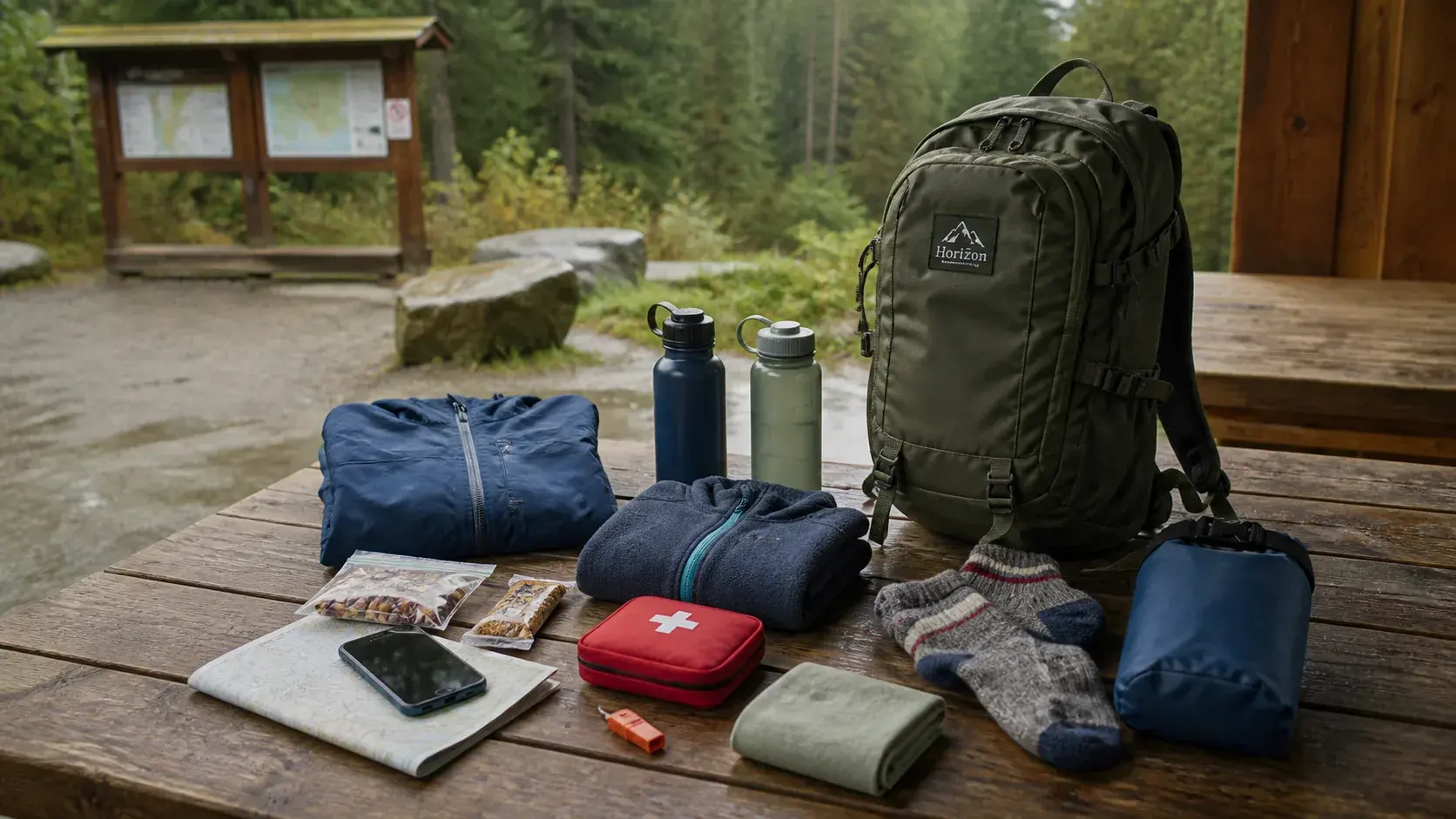
BC family outings · Day bag
Family Outdoor Day Bag Checklist for BC
Use one reachable bag system for park walks, short hikes, picnic stops and scenic days when the car may not be close enough to solve the next small problem.
Open the guide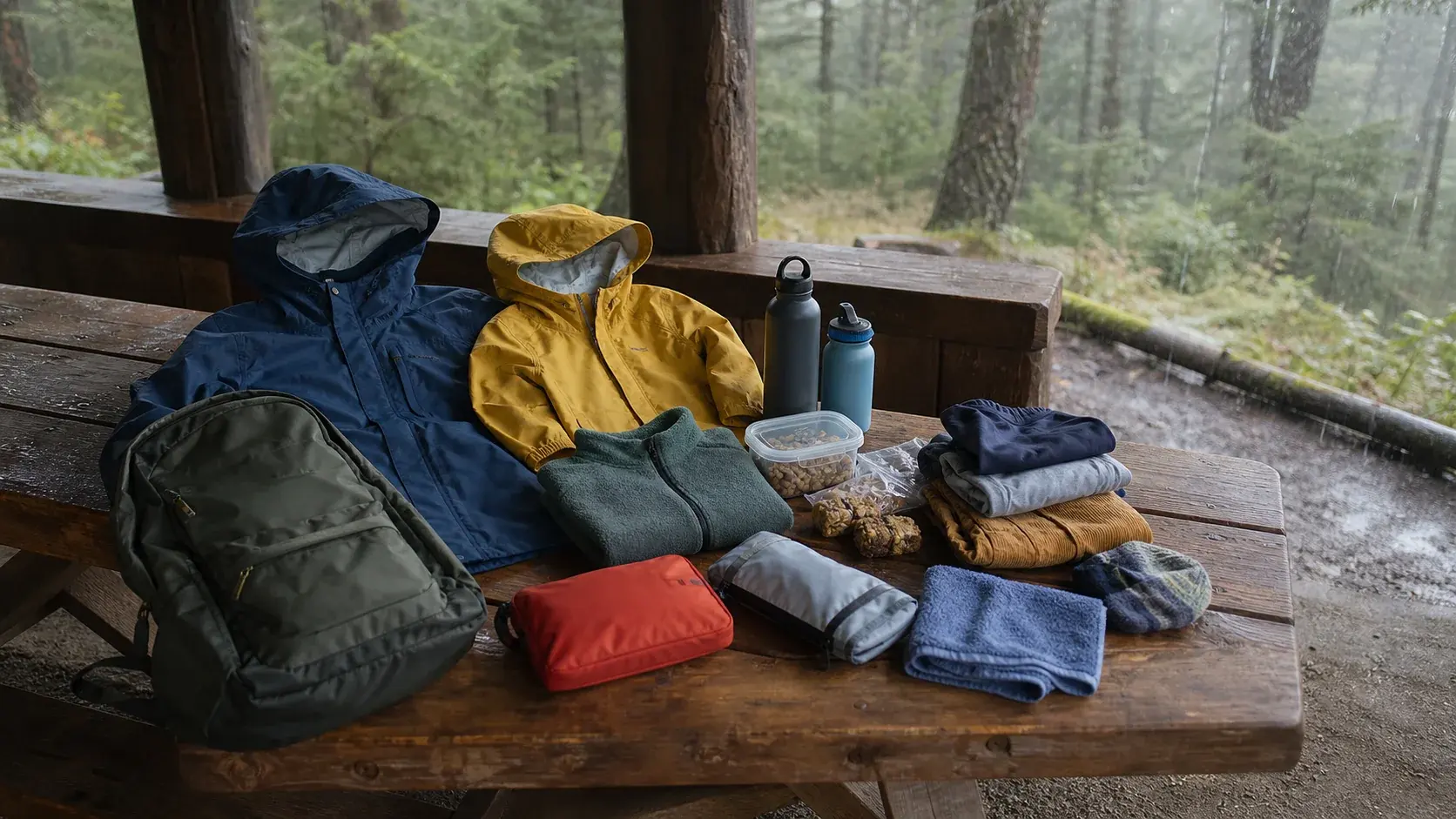
West Coast rain · Family packing
Rainy West Coast Day Kit for Families
Organize a wet-weather family day in three zones: what everyone wears, what stays close in the day bag and what waits dry in the car.
Open the guide