
Two-night escape · Packing checklist
City-to-Nature Weekend Packing Checklist
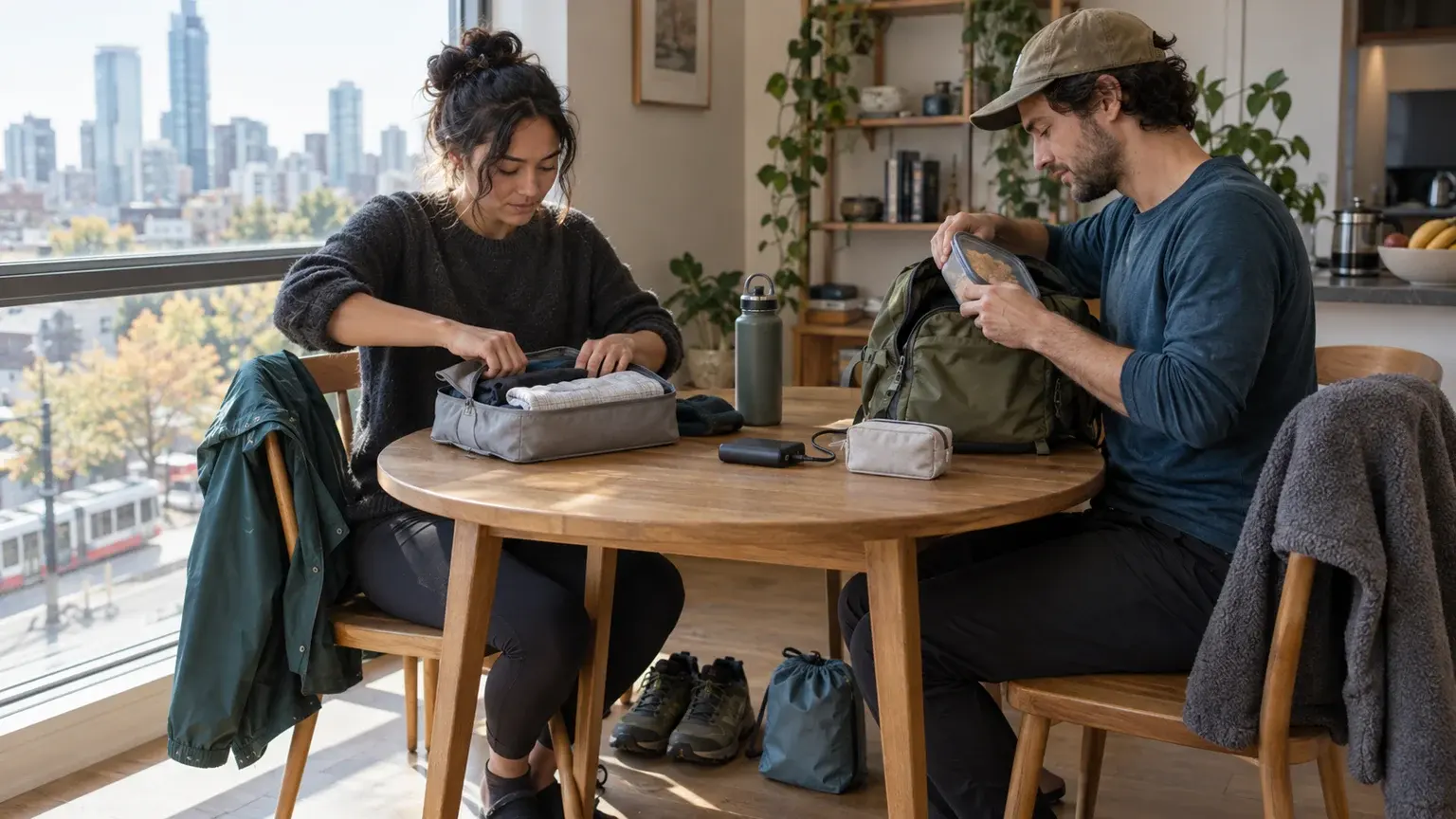
A short weekend needs less equipment and better transitions. Keep the outdoor day independent from the overnight bag, then make the return reset easy enough to finish before Monday.
- Region
- Canadian cities and nearby regional parks, conservation areas and national parks
- Best for
- Students, couples, friends and small families leaving the city for one or two nights
- Season
- Year-round, adjusted to current weather, route and activity
- Time
- 15-minute pack plus a 10-minute return reset
By Horizon Outdoor Editorial TeamPublished 2026-09-10
Quick facts
- Core system
- One day bag plus one compact overnight cube
- Works for
- Transit, car-share or a small personal vehicle
- Keep separate
- Outdoor essentials, sleep items and wet returns
- Return rule
- Dry, wash, recharge and restock the same day
Write the weekend in five lines before packing
List the departure time, transport, overnight base, one main outdoor activity and return commitment. Then note the latest forecast, trail or park check and the most limited service point. This prevents a two-night trip from inheriting equipment for activities that are only vague possibilities.
Use the AdventureSmart idea of trip planning, training and taking the essentials as a decision filter. If the activity requires skills or equipment the group does not have, choose a more suitable route; do not try to solve the mismatch by adding unfamiliar gear.
- Departure and return time
- Transport and overnight base
- One main activity and one weather alternative
- Official trail, park and forecast check
Pack the outdoor day as a self-contained module
The day bag should work whether the main luggage remains at accommodation, in a locker or in the vehicle. Carry water, food, medication, simple first aid, phone power, navigation, sun and insect protection, a warm layer and weather shell appropriate to the activity.
Choose footwear for the actual surface and keep hands available on uneven ground. Do not hang loose bottles or accessories from the outside when they can snag in transit or on vegetation. The bag should be comfortable enough to carry for the full planned outing.
- Water, food and medication
- Navigation, phone power, light and simple first aid
- Sun, insect and weather protection
- Practical footwear and a small waste bag
Keep the overnight cube smaller than the day bag system
For one or two nights, pack sleepwear, toiletries, underlayers, one dry change and the minimum charging setup in a single cube or small bag. Wear the bulkier shoes and outer layer during travel when practical. Shared toiletries and chargers can reduce duplicates if everyone agrees where they live.
Keep identification, tickets, reservation details and essential medication on the person rather than inside overnight luggage. If travelling by transit or car-share, every traveller should be able to carry their own total load through the full connection.
- Sleepwear and one dry change
- Small toiletries and shared charging plan
- Documents and medication kept on the person
- Total load each traveller can carry independently
Use one closed food system and follow local wildlife rules
Pack food for the travel window and the planned outdoor day, then identify where the group will resupply or eat. Use sealed reusable containers and a separate waste bag. This reduces spills in public transport and makes the same supplies easier to manage at a picnic area.
Park and campground food-storage rules vary. In wildlife country, food, garbage, toiletries and other scented items may need to be secured in a hard-sided vehicle or designated locker whenever unattended. Read the current rule for the exact destination before deciding which container to bring.
- Closed meal or substantial snack
- Reusable food container and waste bag
- Known resupply or meal stop
- Destination-specific attractant storage check
Pack the return-home reset before leaving home
Add one washable wet bag, a small towel and a place for muddy footwear. On return, unpack the day bag first, hang wet layers, wash or air footwear, check bodies and clothing for ticks where relevant, recharge devices and replace food, medication or first-aid items that were used.
Keep a short repeatable list near the storage area. A complete Sunday reset prevents damp gear, expired snacks and an empty power bank from becoming the starting condition for the next weekend. It also shows which items never left the bag and can be removed next time.
- Wet bag and footwear tray
- Dry layers and air gear promptly
- Tick check when relevant
- Recharge, restock and remove unused extras
Common planning mistakes
- Packing several possible activities instead of one confirmed weekend
- Combining day-use essentials with inaccessible overnight luggage
- Carrying more than each traveller can manage through the connection
- Ignoring destination-specific food and scented-item storage
- Leaving wet gear packed until the next trip
Printable companion
Download the student weekend checklist
A compact weekend list for clothing, toiletries, documents, chargers, shared car basics and the reset before returning home.
Download the free PDFQuestions travellers ask
Can this system work without a car?
Yes. Keep the day bag self-contained, place the overnight items in one compact cube and make sure each traveller can carry the full load through transit connections.
How many outfits are needed for two nights?
Use the current forecast and activity, but one worn set, one dry change and compatible layers are usually a better starting point than separate outfits for every possibility.
What belongs in the day bag instead of the overnight bag?
Water, food, medication, navigation, phone power, simple first aid, weather layers and protection needed during the planned outdoor activity.
What should happen immediately after returning?
Unpack wet items, clean footwear, check for ticks where relevant, recharge devices and restock anything used.
Sources and currency
Conditions change. Confirm dynamic details again before departure; each source shows its own last-checked date.
- AdventureSmart: AdventureSmart trip planning (2026-09-10)
- Parks Canada: How to prepare for a hike (2026-09-10)
- Parks Canada: Parks Canada outdoor safety tips (2026-09-10)
- Parks Canada: Parks Canada travel planning (2026-09-10)
- Parks Canada: Bare Campsite Program (2026-09-10)
- Environment and Climate Change Canada: Canadian weather forecasts and alerts (2026-09-10)
- Health Canada: Sun safety basics (2026-09-10)
- Health Canada: Personal insect repellents (2026-09-10)
- Public Health Agency of Canada: Insect bite and pest prevention (2026-09-10)
- Government of Canada: Emergency kit checklist (2026-09-10)
Continue planning
Related field guides
Student weekend trips
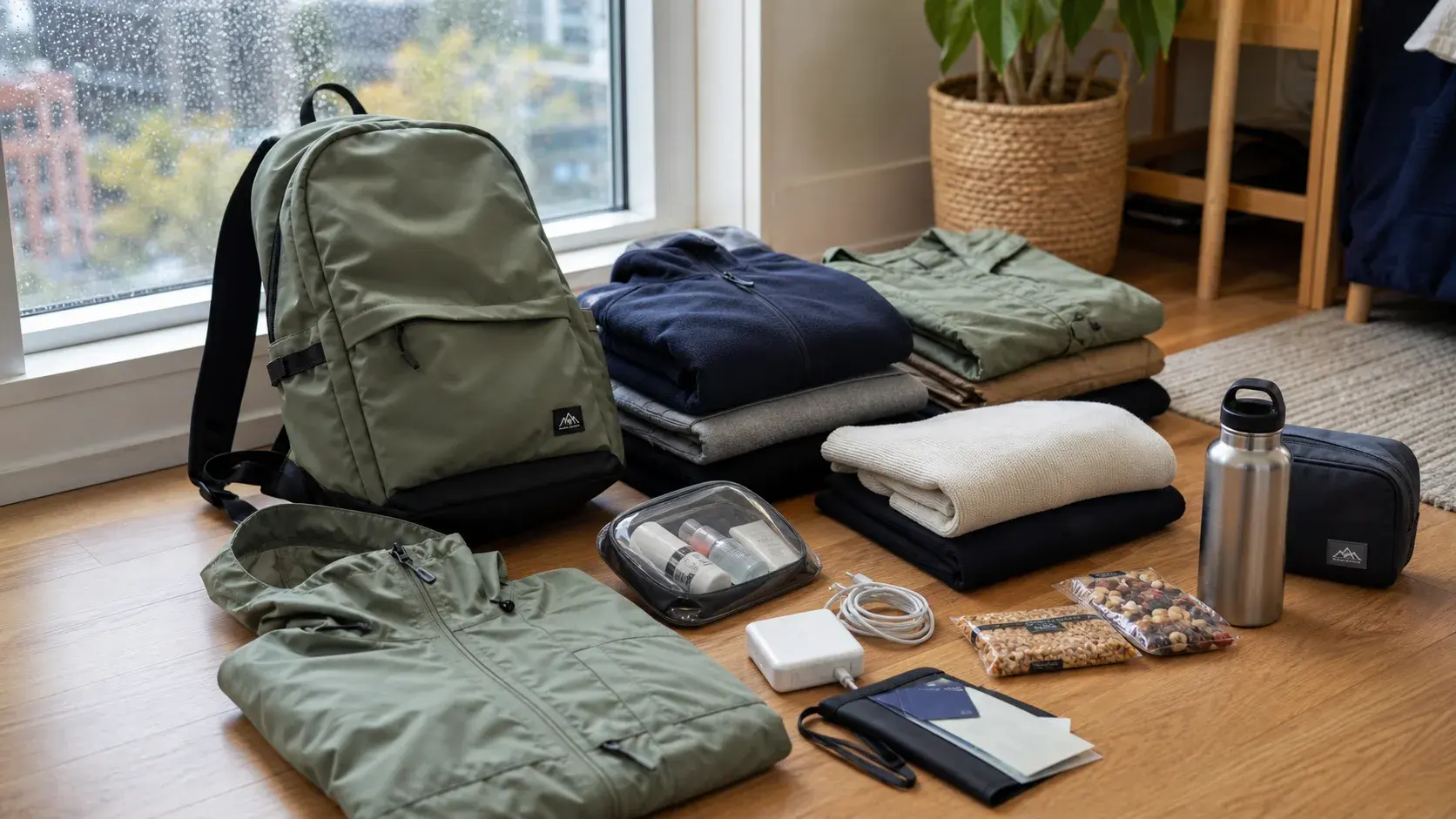
Student Weekend Packing List
A good weekend bag should be small enough to carry, complete enough for a changed plan and organized enough that essentials do not disappear into someone else’s car.
Open the guide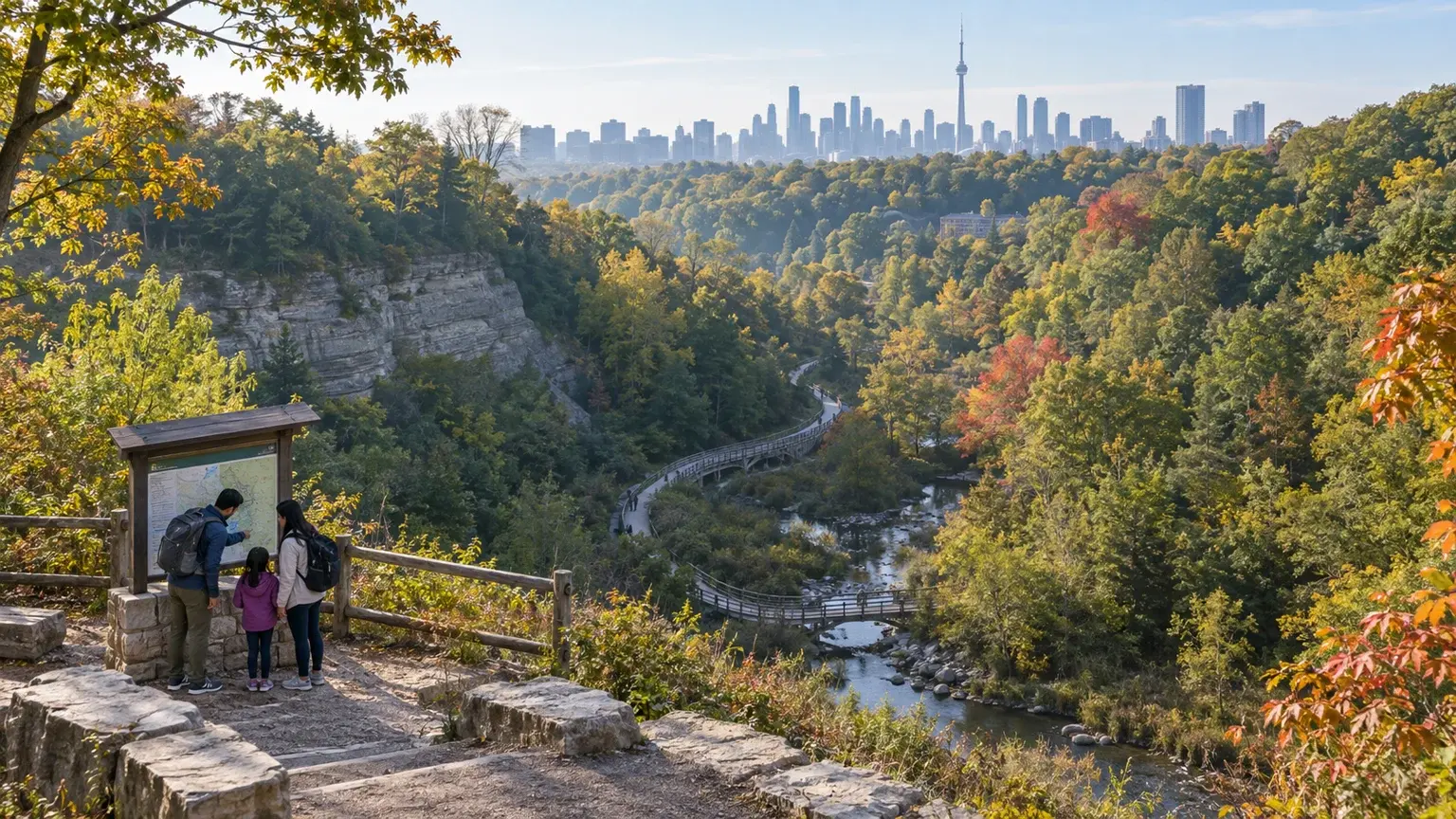
Toronto · Newcomer outdoor living
Toronto Outdoor Weekends for Newcomers
Toronto does not require a long drive before outdoor life begins. Start with one city trail or managed green space, learn the day’s rhythm, and widen the radius only when the extra travel earns its place.
Open the guide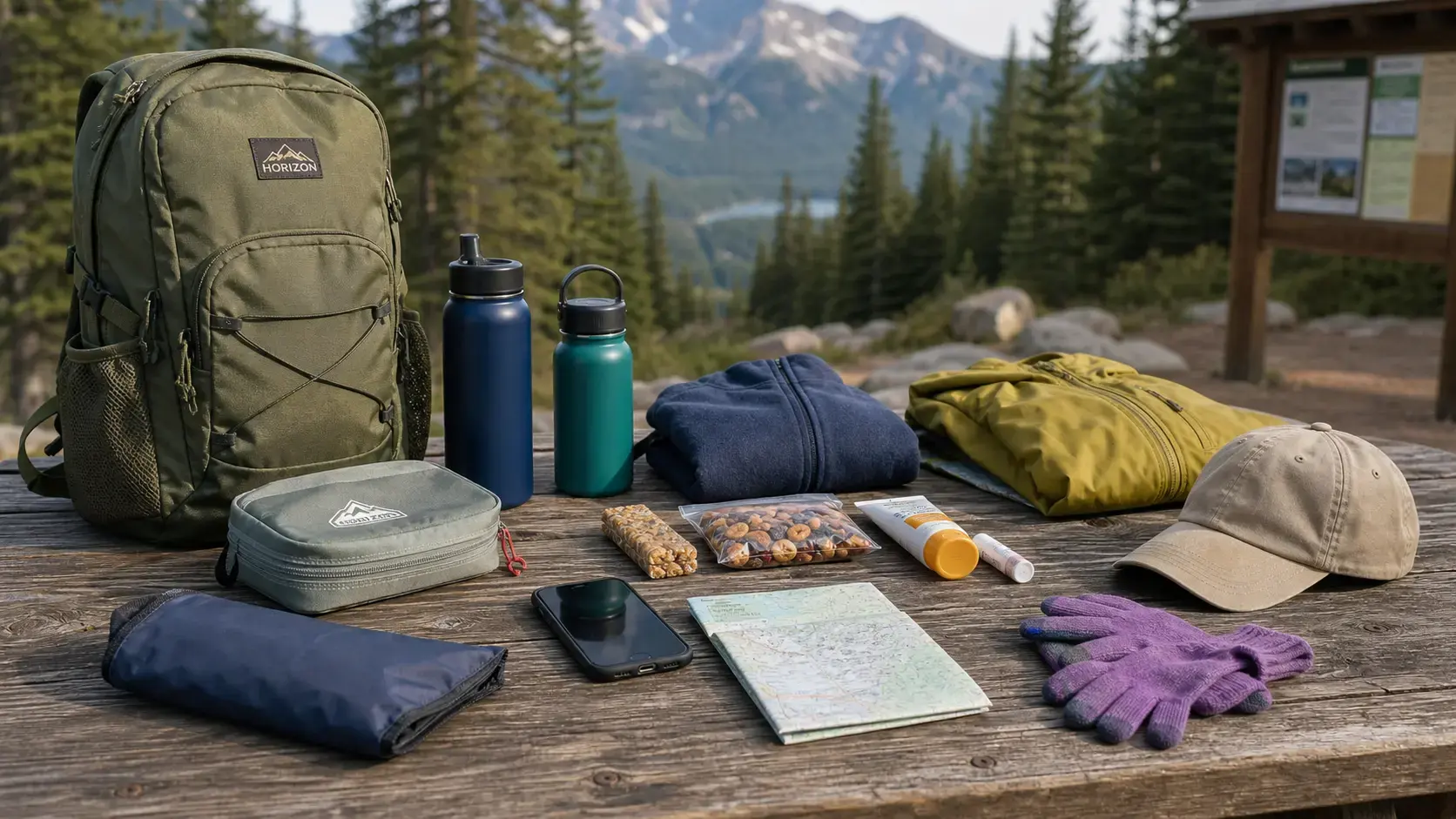
National parks · Day bag system
Canada National Park Day Bag Checklist
A good national park day bag is small enough to carry and organized enough to solve the ordinary problems that end good days early.
Open the guide