
Rainwear · Care and repair
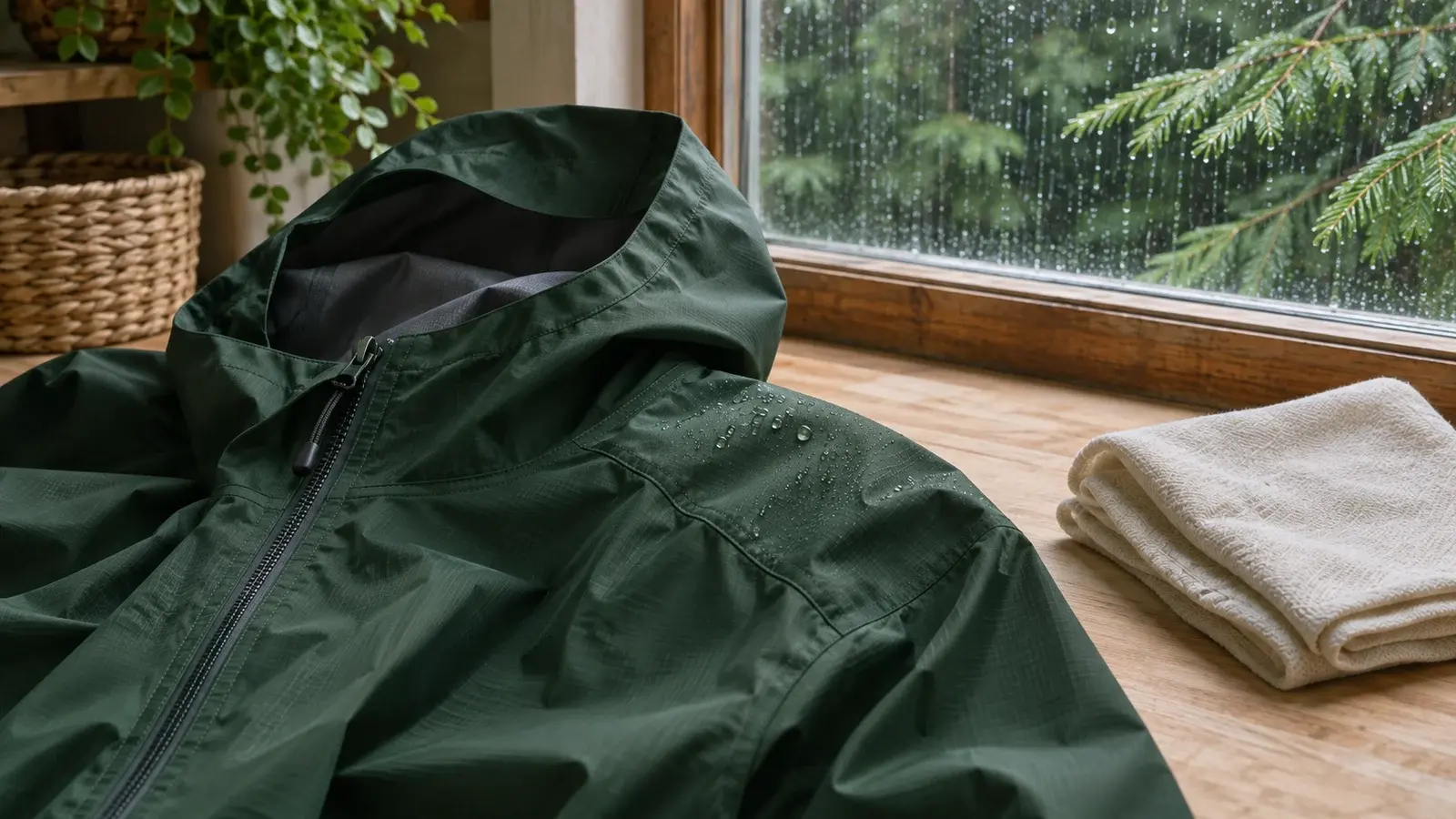
Rain Jacket Wetting Out? Clean or Reproof?
Start with the fabric and care label, then decide whether the jacket needs a wash, a compatible water-repellent treatment or a repair assessment.
- Region
- Canada
- Best for
- Families and everyday outdoor users caring for existing rainwear
- Season
- Before wet-weather outings and whenever care is needed
- Time
- Depends on the garment and its drying instructions
By Horizon Outdoor Editorial TeamPublished 2026-11-24
Quick facts
- First input
- Exact garment model, material and care label
- Decision
- Clean, reassess, reproof if compatible, or seek repair advice
- No dryer
- Use an expressly permitted alternative; avoid improvised heat
- Source check
- 24 November 2026; recheck model and product instructions
Start with the label, then choose your next step
A rain shell that darkens in drizzle is a reason to check its care instructions before buying a replacement. Keep the jacket, its sewn-in care label and the manufacturer’s instructions together while you decide. Identify the model and material; a familiar brand logo alone does not tell you which treatment is suitable.
Use the following branches in order. They are a maintenance triage tool, not a home waterproofness test. If you cannot identify the fabric or understand the label, photograph both and ask the maker before choosing a cleaner, heat setting or treatment.
- Unknown material or unreadable care label → identify the model and obtain its instructions; pause heat and treatment.
- Visible tear, lifting seam tape or separating layers → ask the maker or a qualified repair service to assess the damage before routine treatment.
- Intact textile-faced shell that has become dirty or stopped shedding droplets → follow its cleaning and drying instructions, then reassess.
- Clean, correctly dried shell still absorbs water at the surface → check whether its instructions call for a compatible DWR treatment.
- Special surface or garment with different care rules → use that material’s own procedure; do not borrow a standard shell recipe.
Separate a wet outer fabric from an inside problem
Patagonia distinguishes the outer water-repellent finish from the waterproof membrane in a laminated shell. Water beading on the surface and resistance to water getting through the whole garment are different observations. Losing the first does not by itself prove that the second has failed.
Nikwax also describes how a soaked outer fabric can leave a breathable garment feeling clammy. Dampness inside therefore does not identify the cause on its own. Record where it appears, whether it follows strenuous movement and whether there is visible damage; give that information to the maker if the problem persists. Do not diagnose a leak from one damp cuff or promise that a spray will fix it.
Prepare the wash before adding a treatment
Rab’s preparation starts with removing residues from the machine and detergent drawer, emptying the garment and securing fastenings. Choose the cleaner and cycle using the jacket’s instructions. Keep a cleaner’s dose instructions beside the machine so that a small garment is not automatically given the dose for a large laundry load.
Arc’teryx’s technical-shell guidance calls for technical detergent and thorough rinsing. That is a useful reminder to check additives rather than choosing by scent or price alone. A care product suitable for one shell is not automatically suitable for a different fabric, a lined garment or another family member’s jacket.
- Before starting: confirm garment identity, permitted wash cycle, permitted drying method and compatible cleaning product.
- Set the treatment bottle aside until the cleaning stage is complete, unless the exact garment-and-product instructions specify a combined process.
- Write down what you used. If the result is poor, a clear care history is more useful than repeating stronger treatments.
Use the right temperature and drying sequence
These are examples from the manufacturers’ instructions checked on 24 November 2026, not interchangeable settings. Read the linked source and the particular jacket’s label before starting. A drying interval begins at the point specified by that instruction; it is not necessarily the total time needed to dry a wet garment.
When the label and a general web page appear inconsistent, pause and get model-specific advice. Do not average the temperatures, choose the hotter setting to save time or assume that more heat means better waterproofing.
- Standard GORE-TEX outerwear guidance: 40°C wash; once dry, a further 20 minutes of tumble drying to reactivate DWR. Follow garment restrictions and the special-surface exception below. Source: GORE-TEX outerwear care, checked 24 November 2026.
- Rab guidance: check the white label; many shells use about 30°C, with 20–30 minutes of low-heat tumble drying only where allowed. Source: Rab waterproof-care guide, checked 24 November 2026.
- No dryer: choose an explicitly compatible process that works with your equipment. Do not substitute a radiator, hair dryer or hotter cycle for a specified method.
Reproof only after deciding what the jacket needs
If the shell is clean and the permitted drying process has not restored surface beading, consult its treatment instructions. Patagonia’s care guide puts this decision after washing and drying. Check the lining and the whole garment, not only the fabric name on the outside.
A spray can target the outer face; a wash-in treatment follows a different application process. Nikwax’s spray product is specifically described for waterproof clothing with wicking linings and develops repellency on air drying. That is one documented option, not evidence that every treatment works without heat. Check both the garment and the actual bottle you buy.
- For the Nikwax TX.Direct Spray-On example: clean first using its specified cleaner, protect the work surface, apply to the clean wet item from 15 cm, wait 4–5 minutes, then wipe surplus with a damp cloth.
- Its instructions permit hanging to dry, or low tumble drying if the clothing label permits. Product-specific instructions checked 24 November 2026; this is not a general dose or method for other proofers.
- Allow the instructed process to finish before judging it. Keep treatment products away from children and follow their label precautions.
Stop the standard routine for special surfaces
GORE-TEX identifies persistent-beading-surface garments such as SHAKEDRY as an exception: they do not need DWR and must not be tumble dried or ironed. Their exposed membrane construction is a reason to use the special instructions rather than the routine for a textile-faced shell.
Treat waxed cotton, coated rainwear, insulated pieces and unidentified older shells as separate care questions. This guide does not supply a universal recipe for them. Find the exact maker’s page or contact the maker before applying a membrane-shell treatment; a familiar waterproofing claim is not a material identification.
Three household situations that change the plan
Case A — the everyday shell: an intact, identified jacket has dirty cuffs and its label allows the maker’s wash-and-dry process. Start with that process; make the reproofing decision afterwards. The trade-off is a laundry session before spending on another product. Record the result so the next care decision has a useful starting point.
Case B — the apartment without a dryer: the jacket’s maker permits a compatible air-drying treatment, and you have time to let it finish. Follow those exact instructions. If compatibility is unknown, ask first or arrange the prescribed care elsewhere. The trade-off is drying time or arranging access to equipment, not guessing at heat.
Case C — tomorrow’s wet family walk: the jacket has a loose seam and its care label cannot be identified. Set it aside for assessment and choose known suitable rainwear or a shorter sheltered plan. The immediate choice is how to keep the outing manageable; tonight is not the time for an improvised repair experiment. These are planning examples, not accounts of tested garments.
Keep a care note and plan the next outing
If the same interior wet area returns after appropriate care, or the garment has visible construction damage, send the maker photographs, model details and the care steps already taken. Ask for assessment before buying more treatment. This guide cannot decide remotely whether a particular shell is repairable or set anyone’s warranty terms.
Keep a small note with the date, cleaner, cycle, drying method, any treatment and what you noticed afterwards. There is no single calendar interval here for every family jacket. Recheck the maker’s current guidance when use, materials or care products change; keep dry spare layers reachable when you head out again.
Common planning mistakes
- Choosing a treatment before identifying the garment and its lining
- Copying another brand’s wash temperature or drying interval
- Treating a surface beading check as proof that the whole jacket is waterproof
- Applying more spray to a torn or separating garment instead of seeking assessment
- Starting care too late to finish drying before the next outing
Printable companion
Download the family road trip checklist
A printable family list for car comfort, weather changes, food stops, simple outdoor days and backup plans.
Download the free PDFQuestions travellers ask
Does wetting out mean my jacket needs replacing?
Surface wetting alone does not settle that decision. Identify the garment, check for damage and use its care instructions. Persistent interior wetness or construction damage calls for model-specific assessment.
Can I reproof a dirty jacket?
Start with the prescribed cleaning process. Decide about treatment after that stage, unless the exact garment and product instructions explicitly provide a combined process.
Can I care for a shell without a tumble dryer?
Sometimes. Confirm the garment’s restrictions and choose a compatible product and method that explicitly permit air drying. Do not transfer one product’s no-heat claim to every proofer.
Should all our family rainwear go through the same cycle?
Only combine garments when their care requirements are compatible. Separate pieces that need different settings or methods; an adult shell, insulated jacket and child’s coated raincoat may have different instructions.
Sources and currency
Conditions change. Confirm dynamic details again before departure; each source shows its own last-checked date.
- GORE-TEX: Outerwear care and special-material exceptions (2026-11-24)
- Patagonia: How to wash your waterproof jacket (2026-11-24)
- Rab: How to wash waterproof jackets and pants (2026-11-24)
- Nikwax: TX.Direct Spray-On product instructions (2026-11-24)
- Arc’teryx: Technical outerwear home wash guide (2026-11-24)
Continue planning
Related field guides
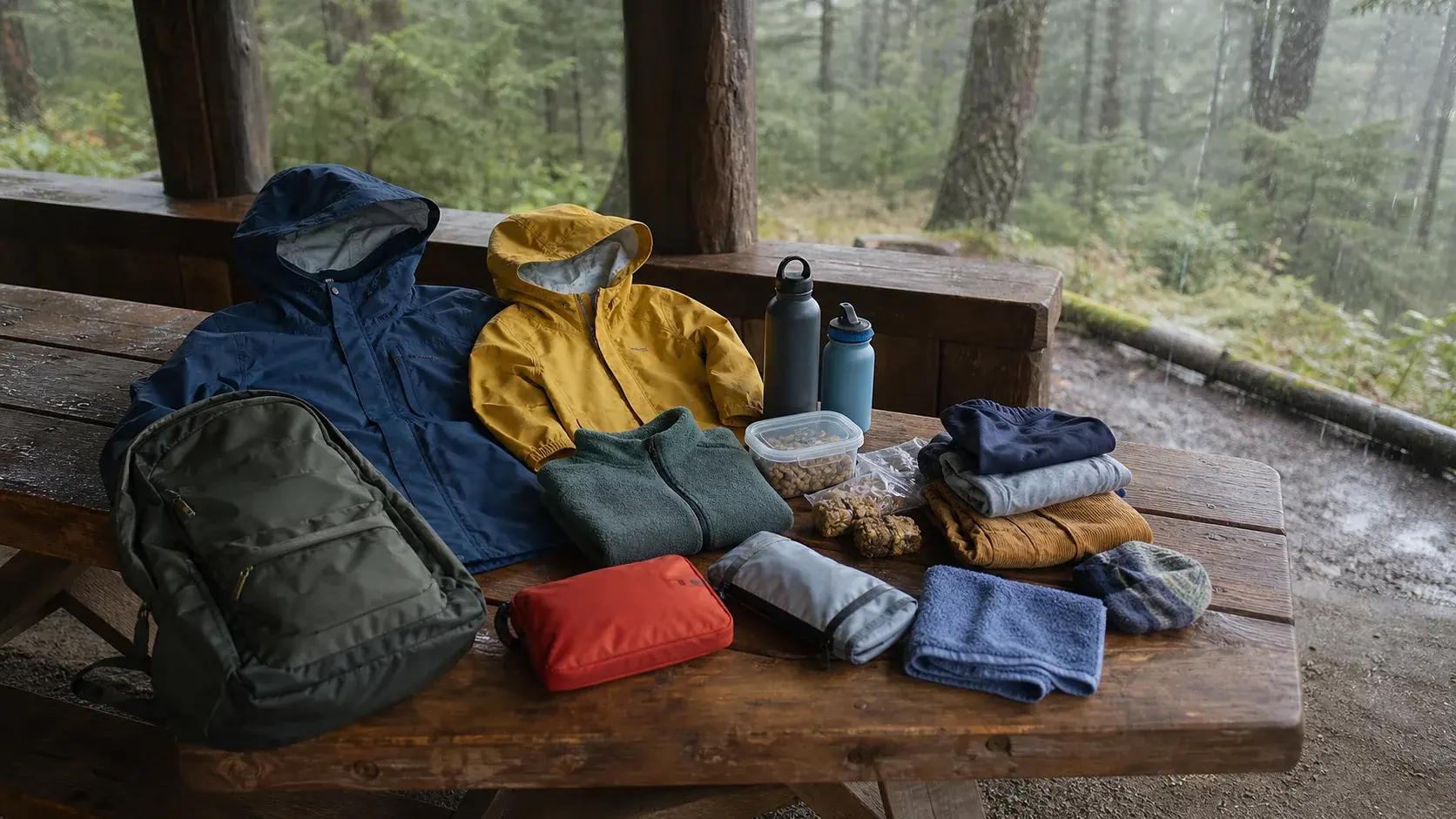
West Coast rain · Family packing
Rainy West Coast Day Kit for Families
Organize a wet-weather family day in three zones: what everyone wears, what stays close in the day bag and what waits dry in the car.
Open the guide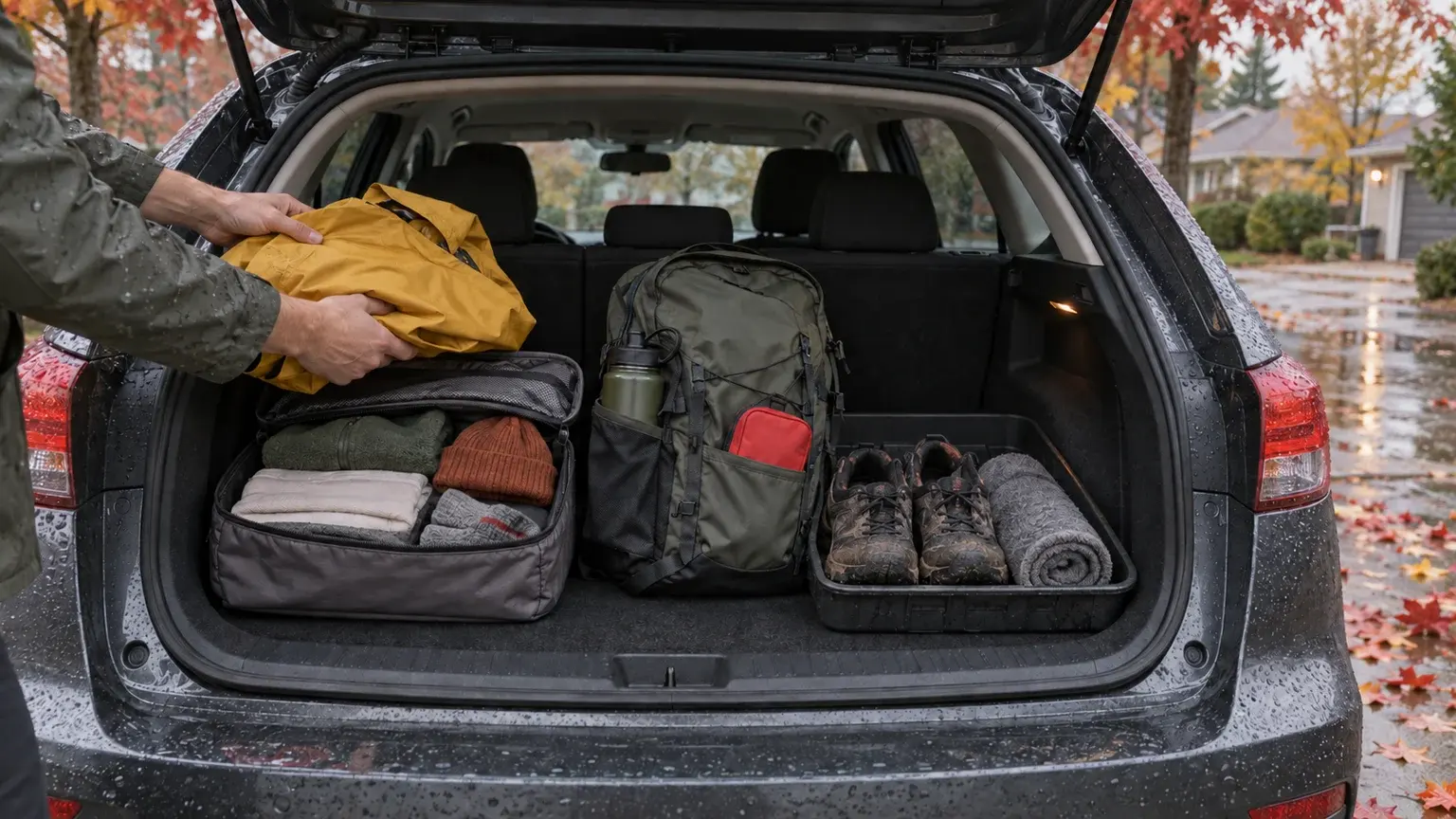
Spring and fall · Packing checklist
Canada Shoulder-Season Packing Checklist
Shoulder season is not one kind of weather. Pack a small system that can move between rain, wind, cold mornings and brighter afternoons without burying the items needed at the next stop.
Open the guide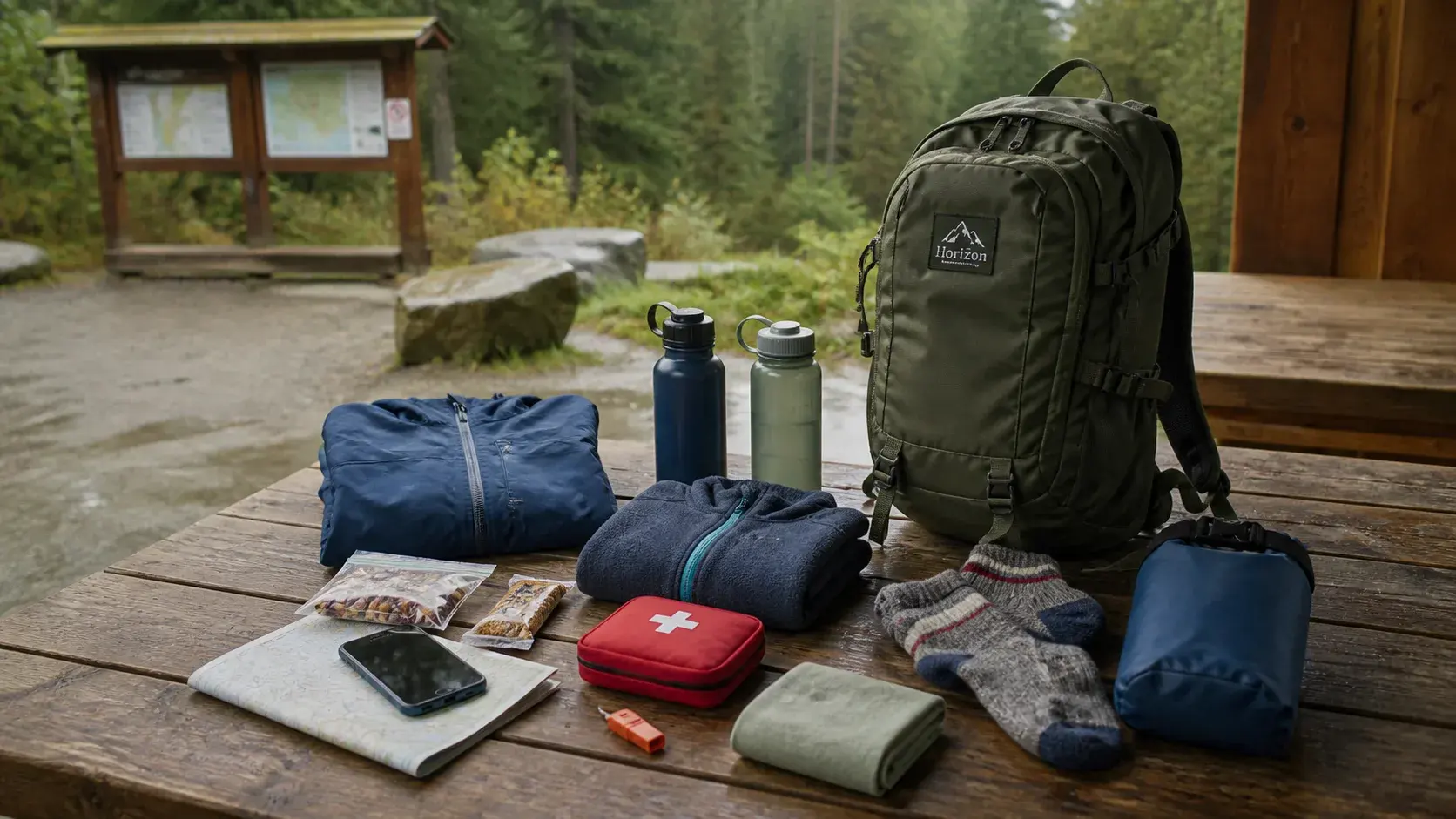
BC family outings · Day bag
Family Outdoor Day Bag Checklist for BC
Use one reachable bag system for park walks, short hikes, picnic stops and scenic days when the car may not be close enough to solve the next small problem.
Open the guide