
Scenic drive comfort
Scenic Drive Comfort Checklist
A scenic drive feels better when the car supports the day instead of swallowing it: essentials visible, stops planned and weather treated as part of the route.
- Region
- Canada
- Best for
- Couples, families, visitors, students and relaxed road trippers planning scenic drives in BC or Canada
- Season
- Year-round with route, weather, smoke and winter-road checks
- Time
- 10-minute setup before a half-day or full-day drive
By Horizon Outdoor Editorial TeamPublished 2026-08-30Updated 2026-08-31
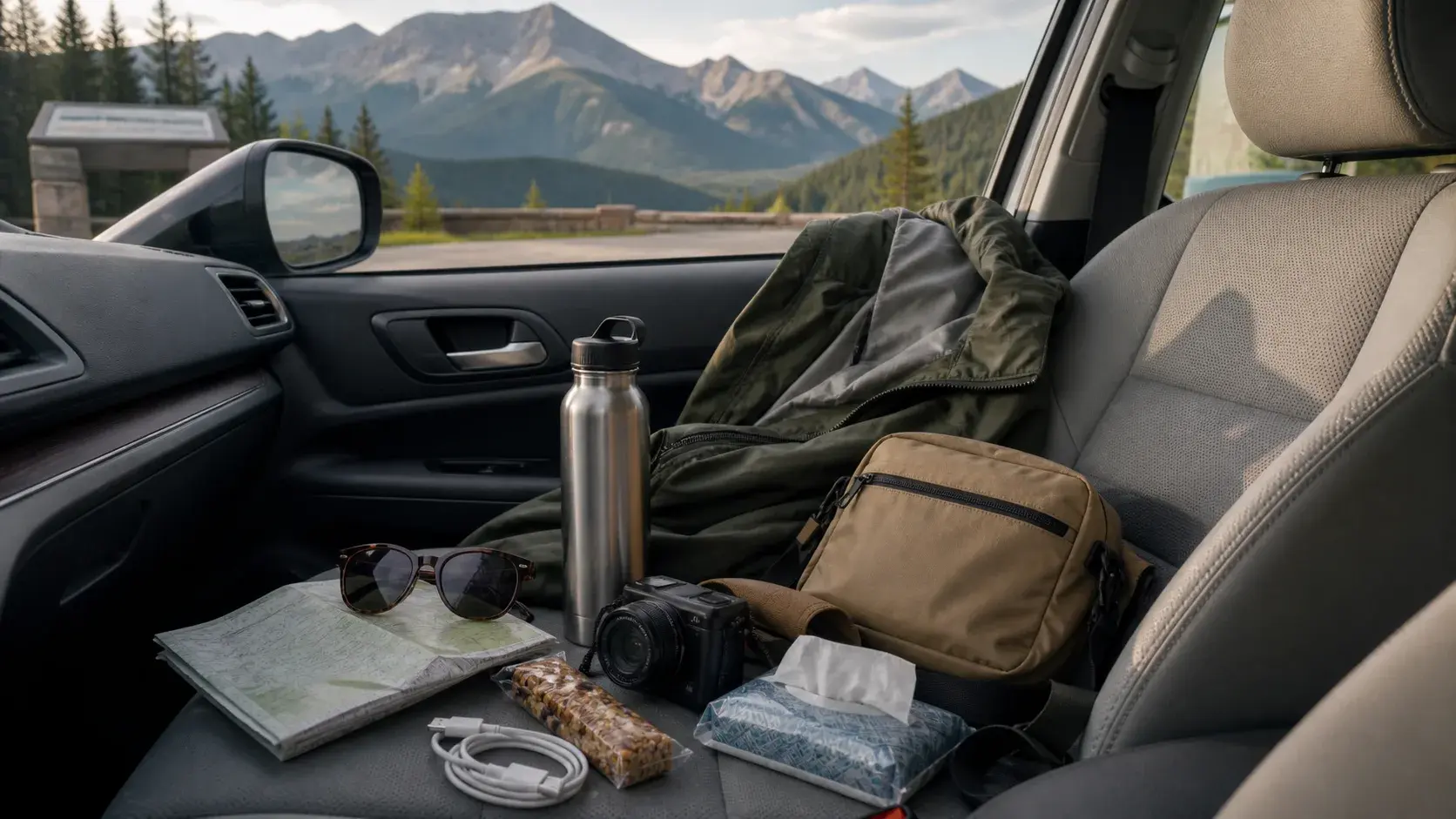
Quick facts
- Check first
- Road conditions, weather alerts, visibility and daylight
- Cabin kit
- Water, layers, sunglasses, tissues, charger and cleanup pouch
- Stop kit
- Shoes, medication, phone power and one weather layer
- Comfort rule
- Plan rest before fatigue shapes the return drive
Check the live day before choosing the drive
Scenic drives depend on visibility, daylight, road conditions and whether a route still feels pleasant for the group. Check official road and weather sources before leaving.
Choose a shorter version if fog, closures, heavy rain, snow, wildfire smoke or ferry timing makes the original plan too tight. A flexible scenic drive is usually better than a complete but tense one.
- Road conditions, events and webcams checked before departure
- Weather warnings, watches and advisories reviewed for the exact area
- Daylight and return timing considered before adding extra stops
- One shorter backup route chosen before the car leaves
Make the front cabin calm and functional
Comfort starts with not searching while the car is moving. Set navigation, charging, music and climate before departure.
Keep sunglasses, water, tissues, a light layer and personal-care items where passengers can reach them. The driver should not be the person digging for snacks, cables or camera gear.
- Navigation and charging set before driving
- Sunglasses, tissues, water and layers within passenger reach
- Small trash bag and cleanup cloth in the cabin
- Driver area clear of loose objects and distractions
Pack for stops, not only for sitting
A scenic drive usually includes viewpoints, beaches, boardwalks, short trails, rest areas or ferry decks. Pack footwear and layers for stepping out of the vehicle in wind, rain, sun or cooler mountain air.
Keep one small walk-ready pouch with phone power, water, medication and the layer needed for a 20-minute stop. That turns a viewpoint into a comfortable break instead of a quick photo scramble.
- Practical shoes or sandals matched to real stops
- Warm layer, rain shell or sun protection based on forecast
- Small stop pouch with medication, phone power and water
- Camera or binoculars packed where they can be used without unloading
Use food and water to reduce forced stops
Comfort food is not a full picnic by default. Pack enough water and simple snacks to smooth the day, then use a cooler only when bringing perishable food.
If a scenic drive has remote stretches or uncertain services, carry enough food and water for a delay without depending on a particular cafe or highway pullout.
- Water available without opening the trunk
- Low-mess snacks for passengers
- Cooler with ice packs for perishable items
- Separate bag for wrappers, tissues and food waste
Plan rest stops as part of the route
A comfort checklist should reduce fatigue, not help everyone push through it. Choose rest areas, towns or safe pullouts before departure, especially on longer routes.
Provincial rest areas are for driver rest and short travel breaks, not overnight camping. If the driver feels tired, the plan should change before the next viewpoint becomes the priority.
- Rest areas or towns marked every reasonable stretch
- Stretch, washroom and message-check breaks separated from driving
- No scenic stop treated as worth unsafe parking
- Return drive protected from late-day fatigue
Common planning mistakes
- Checking the route once the night before and ignoring the live day
- Letting the driver search for snacks, cables or camera gear while moving
- Parking unsafely because a viewpoint looks better than the next pullout
- Planning rest stops only after the return drive already feels long
Printable companion
Download the scenic drive comfort checklist
A printable list for an unhurried drive, with comfort, medication, weather, food and roadside essentials kept easy to reach.
Download the free PDFQuestions travellers ask
What should I keep within reach on a scenic drive?
Keep water, snacks, tissues, sunglasses, a light layer, phone power, medication and a small waste pouch reachable by passengers.
How often should we stop?
Plan breaks before the driver is tired. On longer routes, mark rest areas or towns in advance and treat stretching, washrooms and phone checks as part of the route.
Do scenic drives need emergency supplies?
Yes, but keep the kit proportional to the route and season. Water, food, phone power, first aid, a light and weather layers are a practical baseline for many day drives.
How do we avoid overpacking the car?
Pack for the next stop, the return drive and one reasonable delay. Remove duplicate outfits, bulky gear unrelated to the route and items nobody knows how to use.
Sources and currency
Conditions change. Confirm dynamic details again before departure; each source shows its own last-checked date.
- DriveBC: Current road conditions, events and highway cameras (2026-08-30)
- Environment and Climate Change Canada: Weather warnings, watches and advisories (2026-08-30)
- Transport Canada: Driver distraction and road safety guidance (2026-08-30)
- BC Parks: Staying safe while visiting BC Parks (2026-08-30)
- AdventureSmart: Outdoor essentials for trip planning (2026-08-30)
- Health Canada: Summer food safety tips for coolers and perishable food (2026-08-30)
- PreparedBC: Emergency kit and grab-and-go bag basics (2026-08-30)
- Province of British Columbia: Provincial rest area information (2026-08-30)
- BC Parks: Responsible recreation in BC Parks (2026-08-30)
- Parks Canada: Wildlife safety in national parks (2026-08-30)
Continue planning
Related field guides
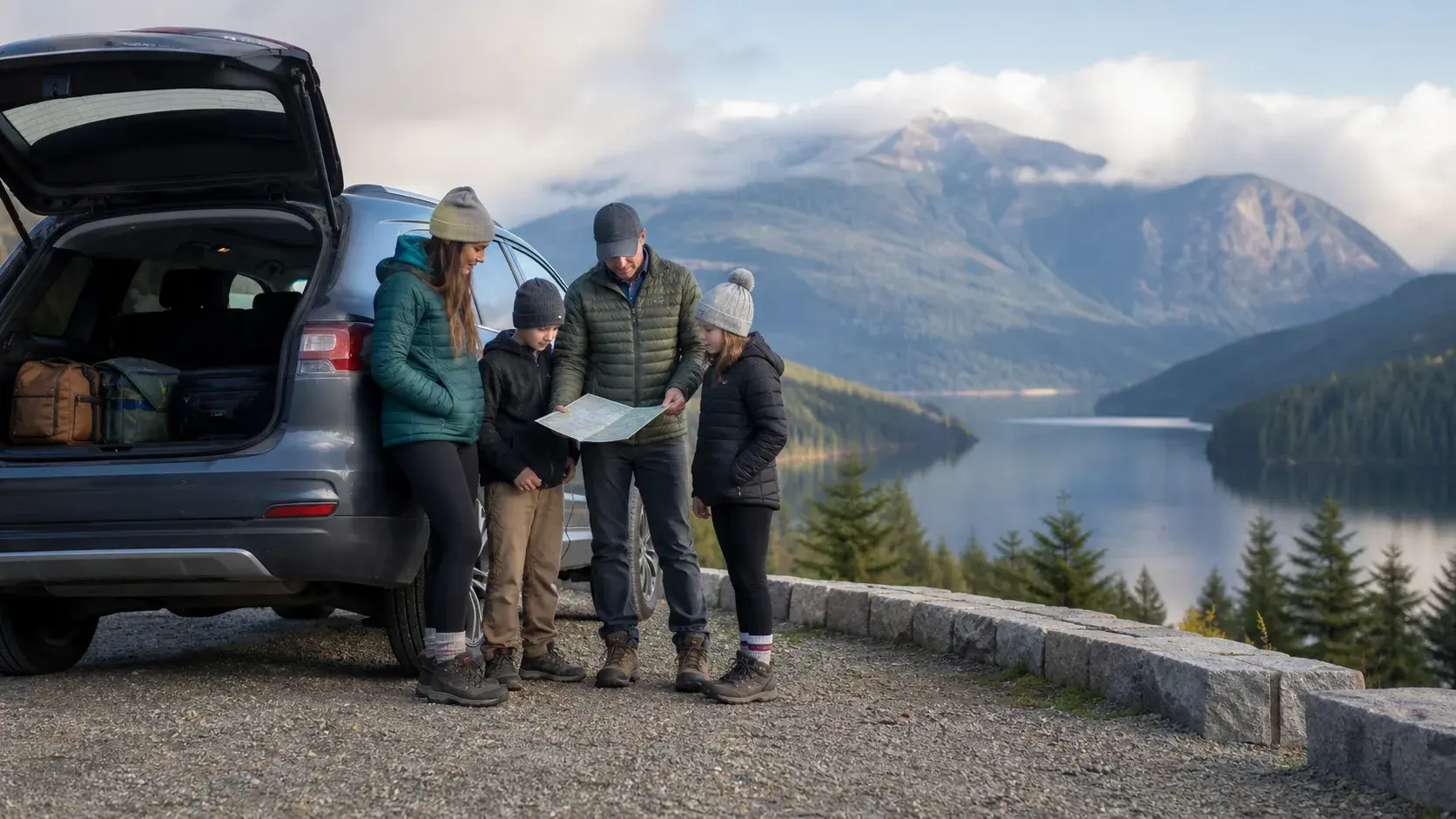
British Columbia · Scenic drive shortlist
Top 10 Scenic Drives in British Columbia
BC’s best drives are not interchangeable. Some are easy weekend routes near Vancouver; others ask for ferries, mountain weather, long distances or remote-road judgment.
Open the guide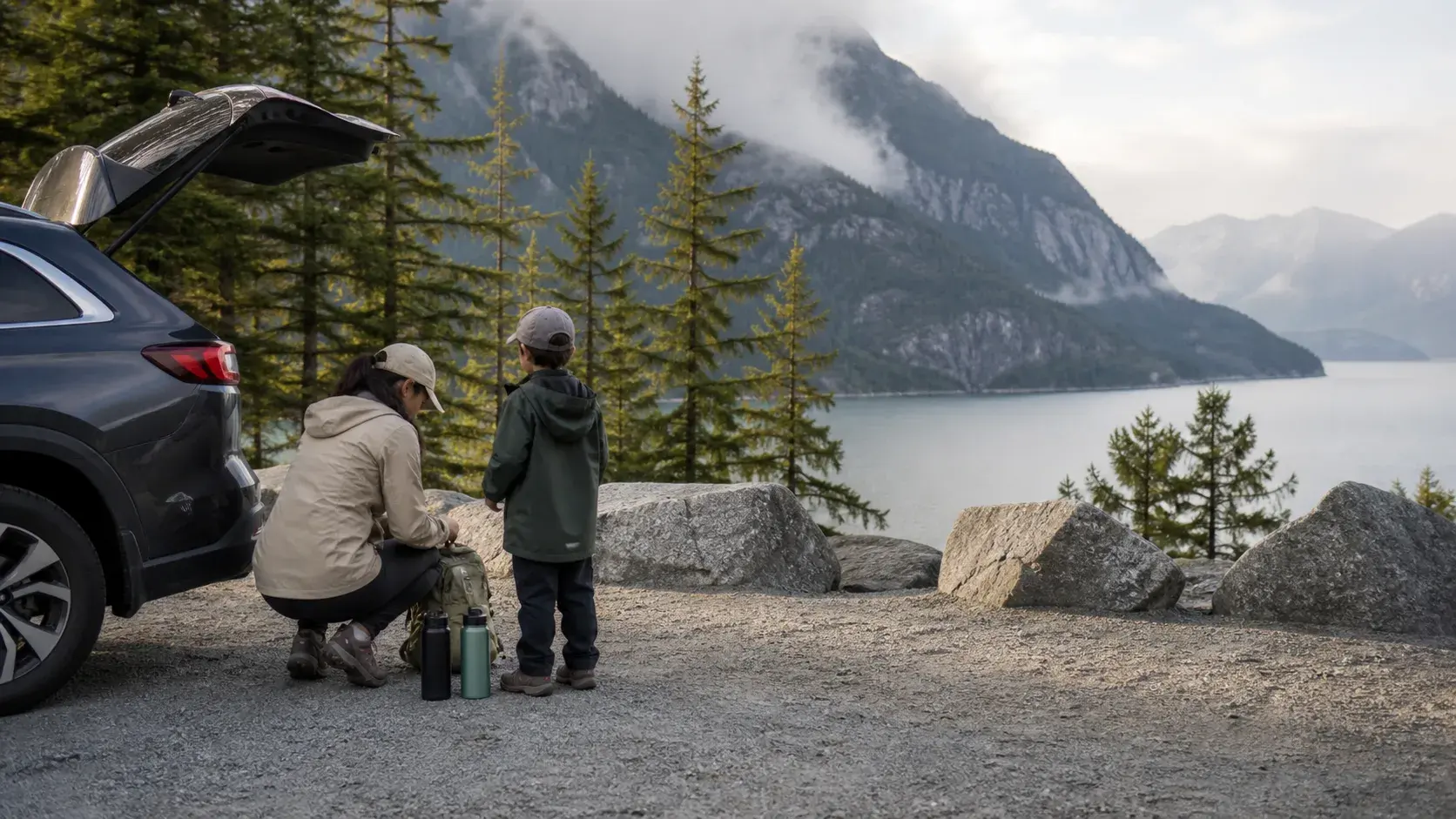
British Columbia · Highway 99
Sea to Sky Highway Road Trip Guide
Ocean, granite, forest and mountain towns arrive quickly on this compact BC route. Choose a few strong stops, check conditions before departure and protect the return drive from becoming rushed.
Open the guide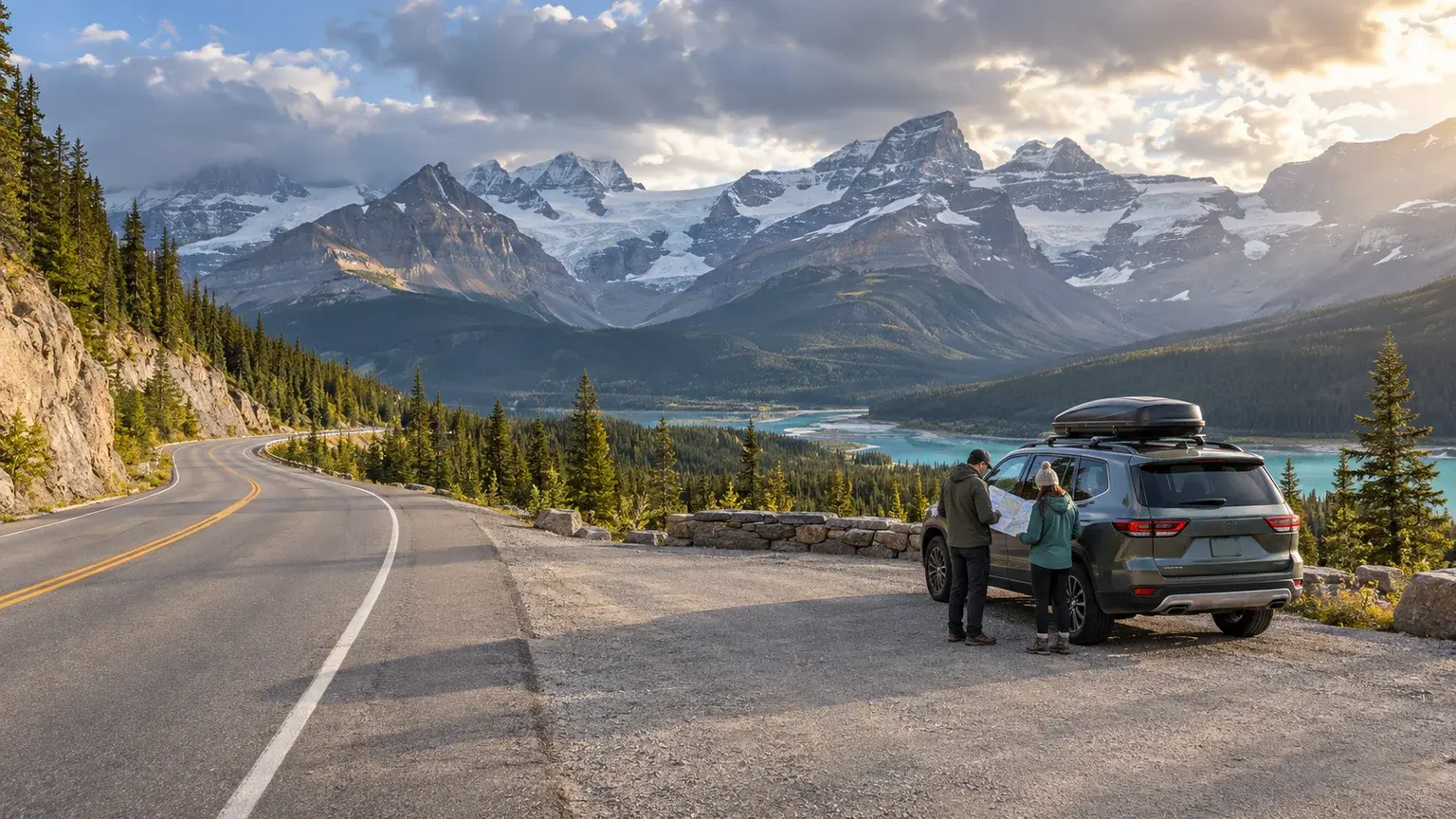
Alberta · Banff and Jasper
Icefields Parkway Road Trip Guide
The Icefields Parkway rewards travellers who plan with margin. Build the drive around fuel, weather, wildlife, short walks and the long pauses the Canadian Rockies deserve.
Open the guide