
British Columbia · Family outdoor living
Your First Outdoor Summer in BC
A BC summer can mean a damp coast, a hot interior valley or lingering snow at higher elevations. Start close, keep the plan flexible and let the family finish wanting another day outside.
- Region
- British Columbia, starting close to home
- Best for
- Newcomers, beginners and families planning approachable outdoor days
- Season
- Summer; check local weather, air quality and closures before every outing
- Time
- One easy day to begin
By Horizon Outdoor Editorial TeamPublished 2026-08-29
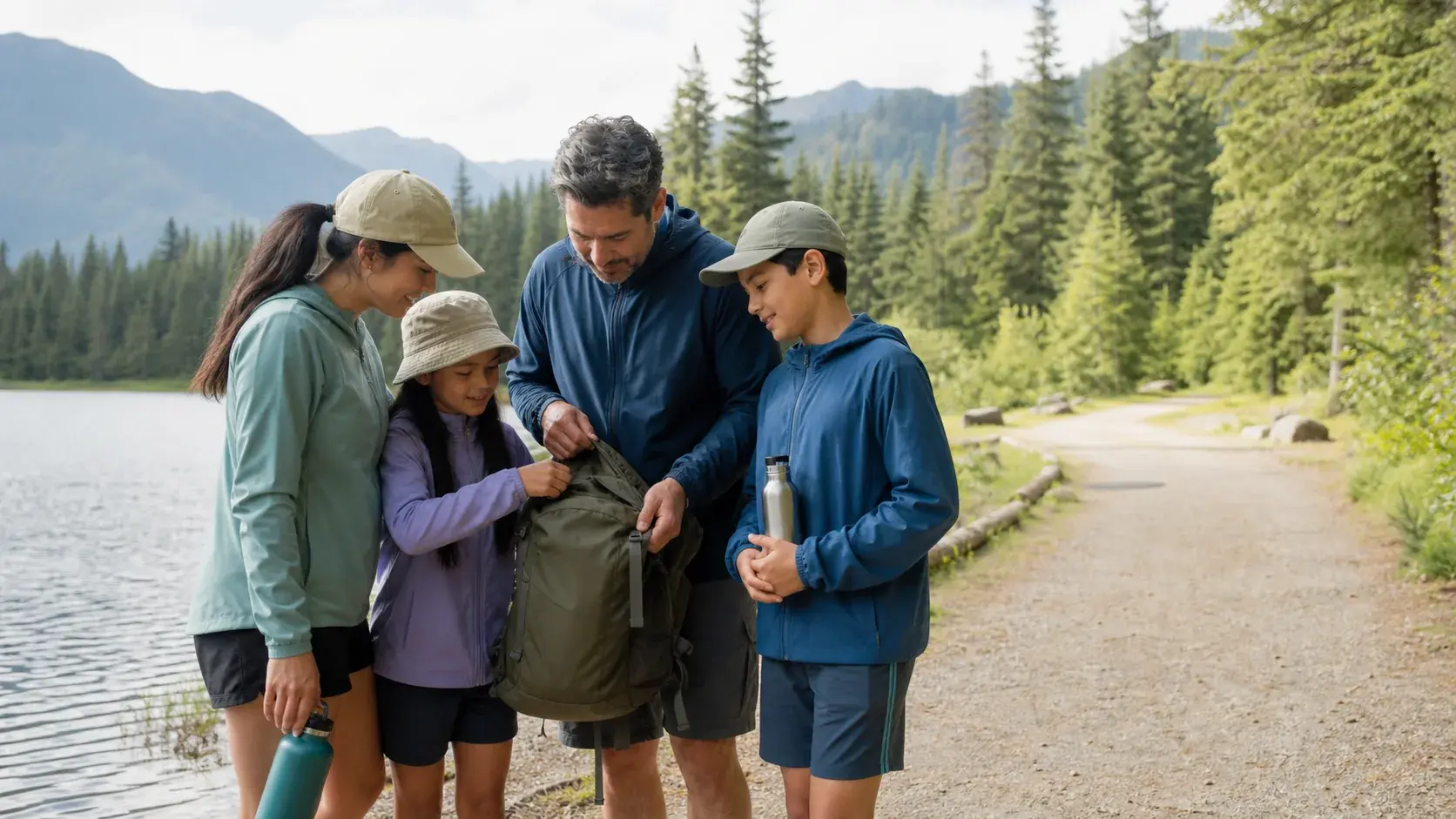
Quick facts
- Best first day
- One simple route with an early turnaround
- Weather check
- Use the forecast for the exact destination
- Family rhythm
- One main activity plus one optional extra
- Always flexible
- Keep a safer local or indoor alternative
Treat BC as several summer climates, not one
British Columbia changes quickly across coast, interior valleys and mountains. Coastal areas are generally milder and wetter, southern interior valleys can be much warmer and drier, and higher elevations remain cooler; snow can linger well into the season in some mountain areas. A sunny afternoon at home does not describe every trailhead within driving distance.
Check the Environment and Climate Change Canada forecast and alerts for the place you will actually visit, then look again on departure day. If the route climbs substantially or crosses into another region, prepare for the destination and the return journey rather than relying on a single city forecast.
For a first family outing, choose a place whose expected conditions already feel manageable. A simpler destination is more useful than trying to solve unfamiliar terrain, a long drive and difficult weather on the same day.
- Coast: expect cooler, damper transitions even when the city feels warm
- Interior: plan carefully for sun, heat and dry conditions
- Mountains: check elevation-specific conditions and the possibility of lingering snow
Make the first day easy to start and easy to leave
A useful first outdoor day has a clear access point, a route the whole family can understand and a turnaround time that protects the trip home. A managed frontcountry park, lakeside day-use area or short signed walk can teach more than an ambitious destination because there is room to notice how everyone handles the drive, weather, food breaks and time outside.
Choose one main activity and treat everything else as optional. A picnic and short walk can be a complete day. If energy, weather and access all cooperate, add a second stop; if they do not, finishing early is still a successful plan.
Easy access does not remove the need to prepare. AdventureSmart recommends trip planning, suitable training and taking the essentials for outdoor activities. Match the route to the least experienced person and keep enough time for the return.
- Pick one main destination rather than building a chain of promises
- Set a turnaround time before leaving home
- Choose a backup that requires less driving, effort or exposure
Run a family departure check before the bags enter the car
The evening before, check the destination’s official page for advisories, closures, access requirements and facility information. Review the local forecast and alerts, then check the BC Wildfire Service dashboard and local air-quality guidance when fire or smoke could affect the area. Repeat the time-sensitive checks shortly before departure.
Leave a trip plan with a trusted contact. Include who is going, the destination and intended route, how you are travelling, the expected return time and what the contact should do if the family does not return as planned. Do not assume a phone will work everywhere.
Give every adult the same plan, and make the go-or-change decision before anyone becomes attached to the original destination. If access, weather, air quality or family readiness no longer fits the day, use the backup without trying to rescue the old itinerary.
- Is the destination open, and are there advisories or access requirements?
- Does the exact-location forecast fit the route and the family?
- Are wildfire, smoke or air-quality notices relevant today?
- Does a trusted contact have the route and return time?
- Is the lower-effort backup still practical?
Pack for comfort before packing for distance
Build the day bag around the conditions, the activity and the people who are coming. AdventureSmart’s essentials include extra food and water, extra clothing, navigation and communication aids, first aid, a light, signalling, emergency shelter and sun protection. Add activity-specific equipment only when the outing calls for it and the family knows how to use it.
For changeable BC days, a practical clothing system is a comfortable base, a warm layer and a weather-protective outer layer. Keep a dry change for children and protect key items from rain or spilled water. Place water, snacks, needed personal medication and the weather layer where an adult can reach them without unpacking the whole bag.
Bring enough water and food for the planned outing plus a sensible delay margin. The amount depends on temperature, effort, duration and the needs of each person, so a generic bottle count is less helpful than checking the actual day and making sure no one’s supply is buried in the car.
- Wear or carry: base layer, warm layer, outer layer and sun protection
- Keep within reach: water, snacks, personal medication, first aid and a light
- Leave in the vehicle when appropriate: dry clothes, towels and a simple ride-home kit
Let heat, smoke, wildfire and closures change the plan
Wildfire location and smoke exposure are related but not identical decisions. Use the BC Wildfire Service dashboard for current wildfire information, restrictions and affected areas. Use the federal Air Quality Health Index, air-quality alerts and their accompanying health messages to understand conditions where the activity will take place. Smoke can travel far from a fire, and both conditions can change.
Children, older adults, pregnant people and people with certain health conditions can be more affected by air pollution. Follow the current public-health guidance for the people in your group instead of improvising a universal threshold. If the official advice, symptoms or conditions make the planned exertion a poor fit, reduce, reschedule or move the day according to that guidance.
A closure or restriction ends the debate about the original route. Do not approach an active fire area, cross a closed boundary or assume that a reservation makes access safe. Keep a low-exertion local option and an indoor option so changing the day does not feel like losing it.
- Wildfire check: incidents, restrictions and official local notices
- Air check: local AQHI, alerts and current health messages
- Weather check: heat, storms and the conditions expected during the return
- Backup choice: less exposure, less exertion or an indoor day
Leave the place well, then upgrade one thing next time
BC Parks asks visitors to recognize that parks and protected areas are on First Nations territories, respect cultural values, stay on trails, leave natural and cultural items in place, pack out waste and avoid feeding or approaching wildlife. Read the page for the specific park as well: pet rules, fire restrictions, closures and sensitive areas are not identical everywhere.
After the outing, note what the family used, what stayed untouched and when energy changed. Adjust the next bag and schedule from those observations. A calm review is more useful than buying more equipment because it shows whether the real friction came from weather, hunger, timing, access or the activity itself.
Increase only one variable on the next trip: a little more time, a slightly longer route or a less familiar place. More remote terrain or specialized activities require additional skills, equipment and planning. Building confidence gradually keeps the family’s next step visible without turning every weekend into a test.
- Stay on established surfaces and pack out every scrap of food and waste
- Give wildlife space and keep food inaccessible to animals
- Check the specific park’s rules before the next visit
- Add distance, remoteness or complexity one at a time
Common planning mistakes
- Choosing the first outing for its fame rather than its access, conditions and family fit
- Using a Vancouver forecast for a mountain or interior destination
- Promising children several stops before knowing the group’s real pace
- Packing only for the forecast high and leaving warm or rain layers in the car
- Continuing toward a route after an official closure, restriction or health message changes the day
Printable companion
Download the family road trip checklist
A printable family list for car comfort, weather changes, food stops, simple outdoor days and backup plans.
Download the free PDFQuestions travellers ask
Does a family need expensive outdoor gear to begin?
No. Start with a simple outing and the essentials appropriate to its conditions. Comfortable layers, water, food, sun and weather protection, navigation, first aid and a clear trip plan matter more than specialized equipment you do not yet need or know how to use.
Is summer weather similar across British Columbia?
No. The coast, interior valleys and higher mountain areas can have very different temperature, precipitation and ground conditions. Check the exact destination forecast and official local notices rather than extending the weather at home across the province.
What should we do when wildfire smoke affects the plan?
Check the local Air Quality Health Index, weather or air-quality alerts and current public-health messages. Consider the needs of everyone in the group, then reduce, reschedule or move the activity when the official advice or conditions call for it.
How challenging should the first family outing be?
Choose a route comfortably within the least experienced person’s ability, with a clear turnaround and a simple exit. If the day goes well, make only one part of the next outing more demanding.
Sources and currency
Conditions change. Confirm dynamic details again before departure; each source shows its own last-checked date.
- AdventureSmart: The Three Ts: trip planning, training and taking the essentials (2026-08-29)
- Environment and Climate Change Canada: Local forecasts and weather alerts for Canada (2026-08-29)
- BC Wildfire Service: Current wildfire information, restrictions and affected areas (2026-08-29)
- BC Parks: Trip planning and safety for BC Parks visits (2026-08-29)
- BC Parks: Responsible recreation in BC Parks (2026-08-29)
- Environment and Climate Change Canada and Health Canada: Air Quality Health Index and wildfire smoke guidance (2026-08-29)
- Government of British Columbia: Summary of climatic regimes across British Columbia (2026-08-29)
Continue planning
Related field guides
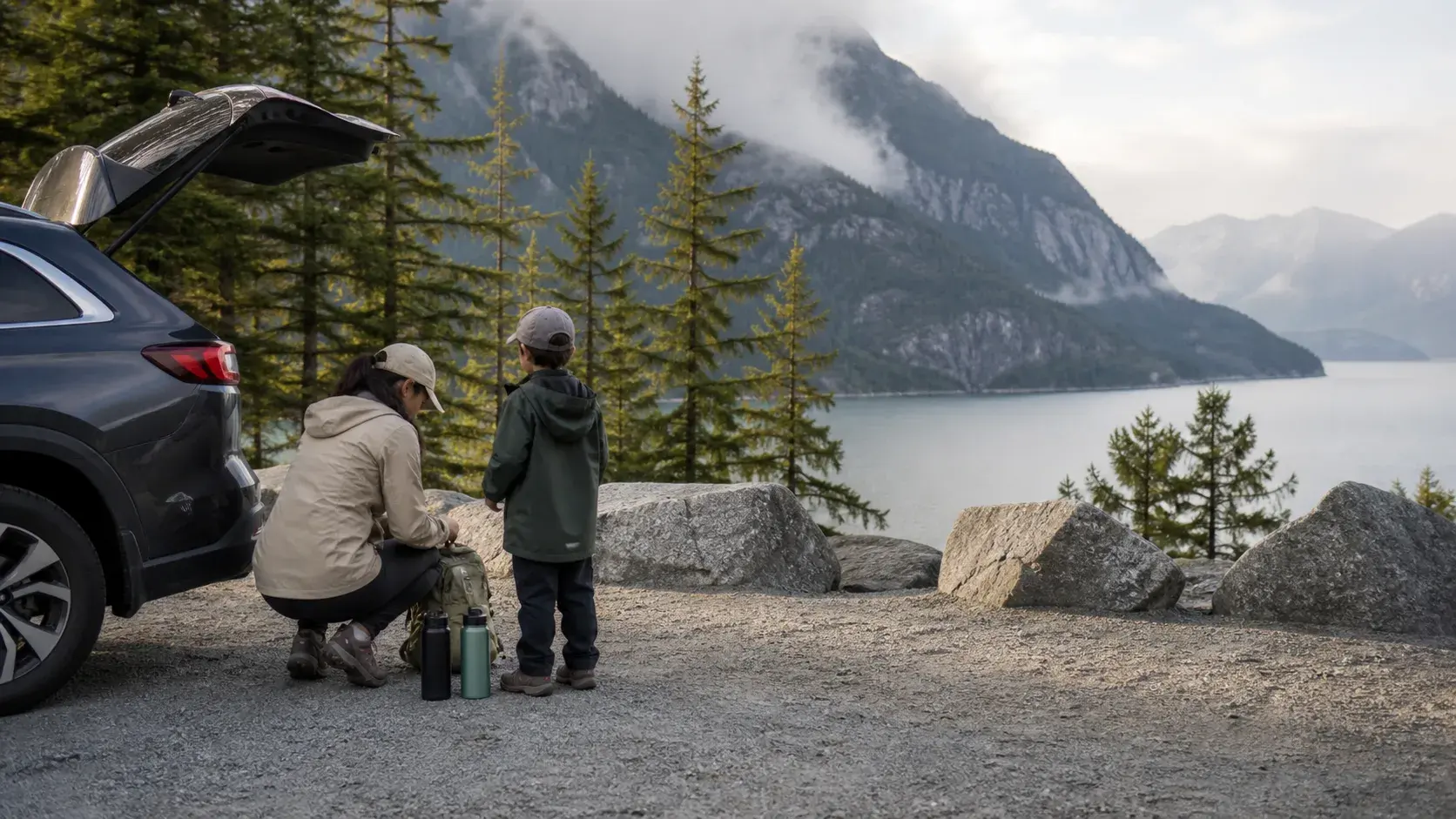
British Columbia · Highway 99
Sea to Sky Highway Road Trip Guide
Ocean, granite, forest and mountain towns arrive quickly on this compact BC route. Choose a few strong stops, check conditions before departure and protect the return drive from becoming rushed.
Open the guide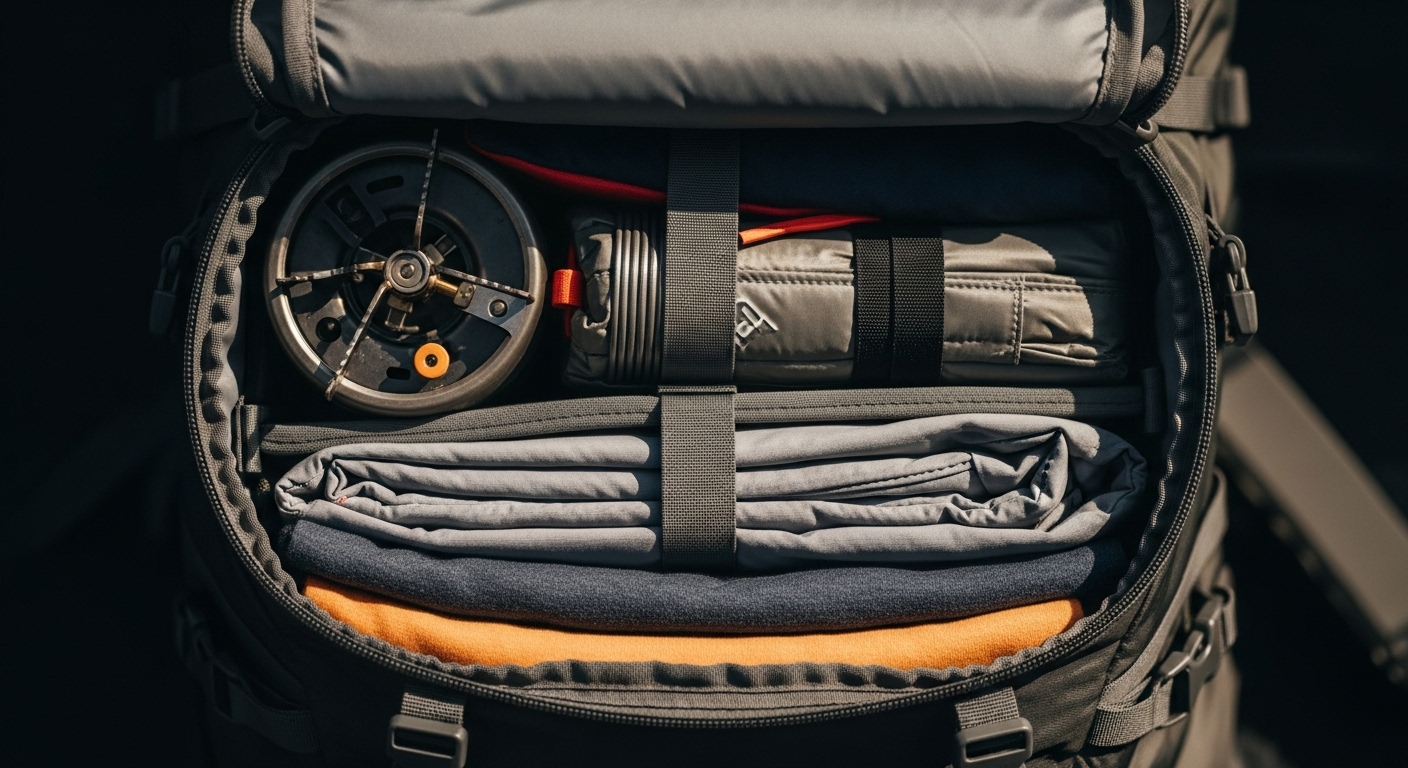
Printable planning guide
Canada Road Trip Packing Checklist
Start with the essentials that protect the trip, then remove anything your route, season and travelling party do not need.
Open the guide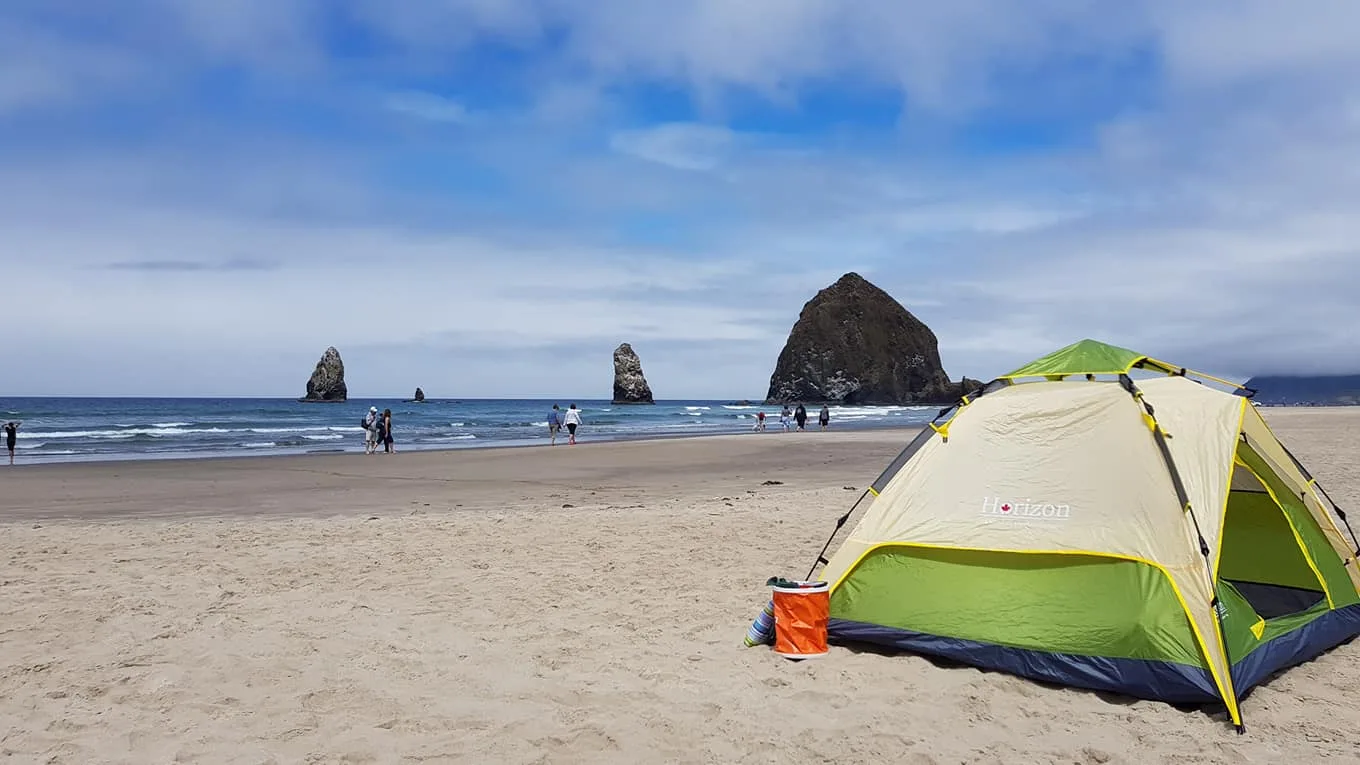
British Columbia · Pacific coast
Pacific Rim National Park Planning Guide
Pacific Rim rewards visitors who respect the coast’s scale. Give the island crossing and Highway 4 their own time, then let tides, weather and park notices decide how close the day gets to the water.
Open the guide