
Northern British Columbia · Yukon
Alaska Highway: Choose Your Turnaround
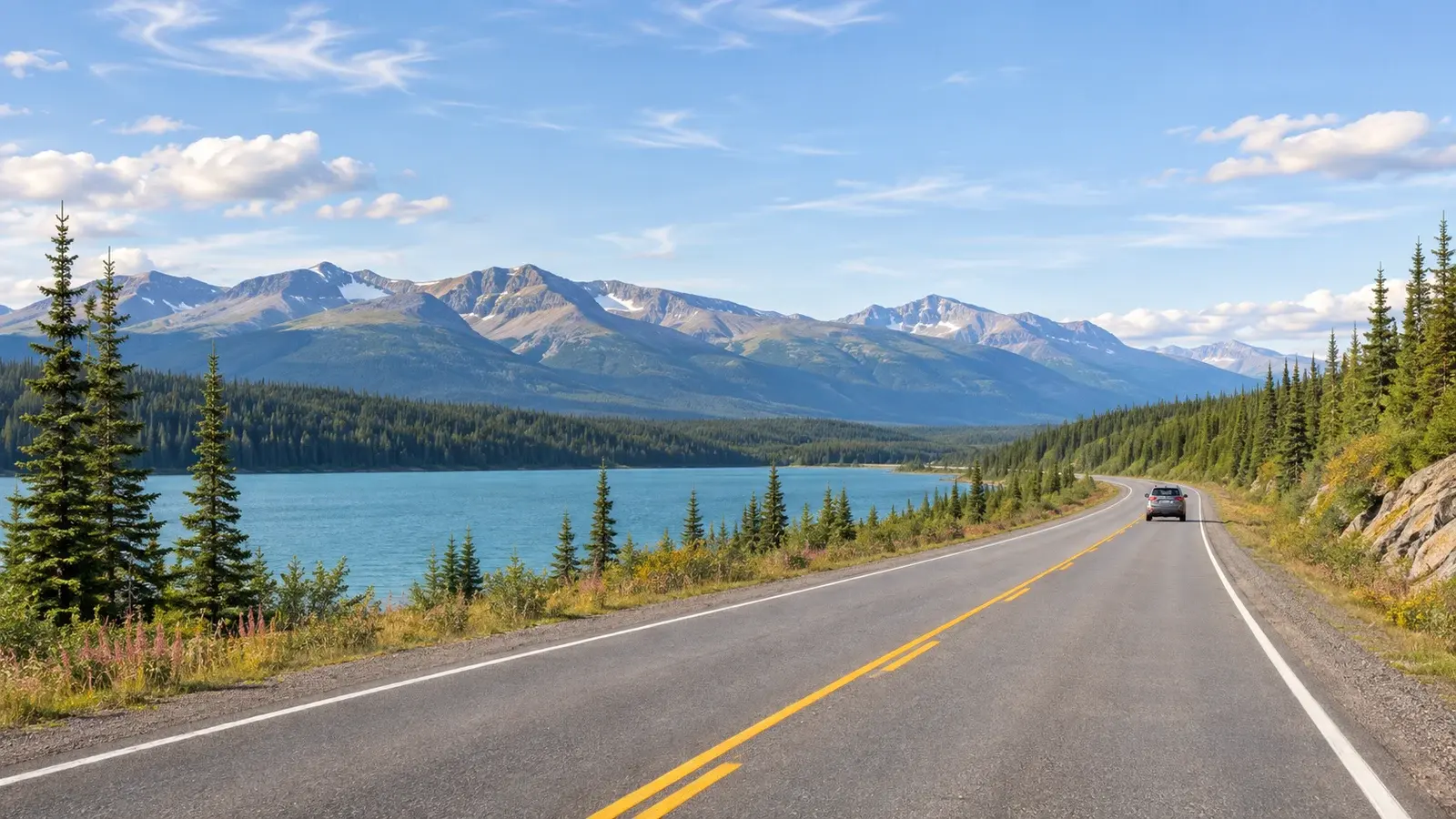
Choose where to turn around before choosing every stop. A Canadian journey to Whitehorse can be a complete northern holiday; Kluane adds a mountain stay, while crossing into Alaska changes the scale of the trip.
- Region
- Dawson Creek, British Columbia to Whitehorse and Kluane, Yukon
- Best for
- Families and first-time northern road trippers planning the Canadian highway
- Season
- Late spring through early fall, subject to road, weather and service conditions
- Time
- Build a multi-day outbound journey plus destination nights and a separately planned return
By Horizon Outdoor Editorial TeamPublished 2026-11-10
Quick facts
- Starting point
- Dawson Creek, BC: Mile 0
- Canadian turnaround
- Whitehorse for city services; Haines Junction for a Kluane stay
- Driving-day checks
- DriveBC in BC; 511 Yukon in Yukon
- Return journey
- Reserve time and overnight stops before extending north
Whitehorse, Kluane or Alaska: make the big decision first
The Alaska Highway begins at Dawson Creek and continues through Yukon to Delta Junction in Alaska. Its name does not require you to cross the border. For a first family journey, Whitehorse is a useful turnaround when the priority is a northern drive followed by city-based rest days. Choose a stay near Haines Junction when mountain scenery and accessible Kluane outings are the main reason to continue.
Treat Alaska as a separate extension with its own overnight plan, border requirements, vehicle permissions and return allowance. Do not add it simply because Whitehorse looks close on a small map. The better endpoint is the one that leaves the family enough energy to enjoy the destination and drive home without compressing every remaining day.
Use overnight anchors rather than a rigid daily mileage target
Sketch the Canadian corridor in this order: Dawson Creek, Fort St. John, Fort Nelson, the Toad River–Muncho Lake–Liard area, Watson Lake, Teslin and Whitehorse. These are planning anchors, not a promise that every place has the same range of rooms, groceries or repair services. Tourism Northern Rockies lists roughly 450 km between Dawson Creek and Fort Nelson, and about 500 km between Fort Nelson and Watson Lake. Those are substantial transfers before family breaks.
An outbound outline could use Fort Nelson, the Muncho Lake or Liard area, Watson Lake or Teslin, then Whitehorse as overnight anchors. Add a stop near Fort St. John if the first transfer exceeds your group’s comfortable driving day. This is an editorial framework, not a tested fixed itinerary: plot each booked address, check conditions and shorten a leg when the available accommodation or children’s needs require it.
- Confirm the first remote overnight before leaving the larger service centre
- Choose one main optional stop on a transfer day
- Keep a flexible day before any fixed flight or vehicle return
Make fuel, food and connectivity part of the booking plan
A paved highway is still a remote journey. Tourism Northern Rockies describes intermittent mobile coverage between communities and extremely limited coverage farther north of Fort Nelson. Download maps, save booking details and keep essential contacts offline. Before leaving a service centre, identify the next confirmed fuel stop and a fallback; verify operating hours directly rather than treating a map pin as an open business.
For each overnight, check room or campsite availability, arrival hours, meal options and what happens if road delays make you late. Carry drinking water, food, medication, warm layers, charging equipment and the vehicle’s required roadside supplies. EV travellers should verify charger compatibility, current operation and an achievable alternate before committing to a remote leg. A general fuel-station list cannot establish a viable charging itinerary.
Give Liard Hot Springs time, and keep it optional
BC Parks places Liard River Hot Springs Park at kilometre 765 of the Alaska Highway, about 60 km north of Muncho Lake Park. A stop includes the boardwalk as well as the pool: remain on the boardwalk through the sensitive wetland and follow posted wildlife and access instructions. It makes more sense as a planned break near an overnight than a compulsory late stop after a tiring drive.
This is a natural hot spring, not an ordinary supervised swimming pool. BC Parks reports very hot water and no lifeguards. Keep children under direct supervision, follow current signs and choose another activity if the water or conditions do not suit the family. Check the park’s current advisories, access, fees and campground arrangements before departure; an attractive photo does not confirm that the visit is suitable that day.
Use Whitehorse as a pause, not just a resupply stop
Travel Yukon’s highway itinerary includes dedicated Whitehorse days between road transfers. Follow that useful principle without copying a full attractions schedule: leave room for laundry, groceries, a short local outing and an unhurried meal. A destination night is not the same as an arrival night, particularly when the children have spent several days in the vehicle.
If Whitehorse is your turnaround, you have completed a meaningful Canadian northern journey. On the return, stop at places that were deliberately left out on the way north rather than adding another distant endpoint. A shorter plan with time outside the car often gives a family more than an extra day spent collecting kilometres.
Extend to Kluane for a stay, not a quick mountain detour
Parks Canada places Kluane about 160 km west of Whitehorse, with Haines Junction as a practical base. The Alaska Highway and Haines Highway provide access along the park’s edges; the huge interior is not a drive-through sightseeing loop. Decide which accessible outing you want, then check the specific trail, visitor facility or campground before choosing where to sleep.
For a family whose main interest is Kluane, an overnight near Haines Junction avoids turning the visit into a return transfer plus a hurried activity. This article helps choose the highway endpoint; use our Kluane first-time planning guide for the park-day decisions. Do not assume that a roadside mountain view makes a backcountry route suitable for children.
Run a short check before every remote driving day
Open DriveBC for the BC section and 511 Yukon for Yukon. Review the actual road segments ahead, closures, construction, visibility and weather information, then confirm the night’s stop and next fuel opportunity. These are live checks to repeat during travel; a guide’s review date is not evidence that the road is currently clear.
If the route becomes uncertain, remove an optional stop or shorten the day before using up the family’s margin. Keep wildlife viewing to safe, legal stopping places and do not leave the vehicle to approach animals. Long northern daylight does not remove fatigue. Finish the plan with a realistic southbound route and a spare day, rather than spending every available hour on the outward journey.
Common planning mistakes
- Treating Whitehorse as a waypoint when it is already a worthwhile destination
- Booking a remote overnight without checking arrival hours and meals
- Relying on mobile coverage for every route and booking detail
- Adding Alaska or Kluane without adding destination nights and return time
- Confusing a published planning guide with a live road-condition report
Printable companion
Download the family road trip checklist
A printable family list for car comfort, weather changes, food stops, simple outdoor days and backup plans.
Download the free PDFQuestions travellers ask
Do I have to enter Alaska to drive the Alaska Highway?
No. You can drive the Canadian corridor from Dawson Creek to Whitehorse or the Kluane area and return. The full highway continues to Delta Junction in Alaska.
Is the Alaska Highway the same as the Dempster Highway?
No. This guide follows the Alaska Highway through northern BC and Yukon. The Dempster is a separate remote gravel-road journey toward Inuvik and needs its own vehicle, fuel and time plan.
Should we turn around at Whitehorse or Haines Junction?
Choose Whitehorse for a city-based pause and a shorter journey. Add Haines Junction when a Kluane stay is a central goal and you have room for the extra transfers and destination nights.
Can we use this plan for winter?
This is a late-spring-to-early-fall family planning framework. It is not a winter itinerary. Winter road conditions, daylight, equipment and service availability require a separate plan.
Sources and currency
Conditions change. Confirm dynamic details again before departure; each source shows its own last-checked date.
- Travel Yukon: Alaska Highway road-trip itinerary (2026-11-10)
- Travel Yukon: Iconic drives: Alaska Highway (2026-11-10)
- Tourism Northern Rockies: Getting to the Northern Rockies by road (2026-11-10)
- BC Parks: Liard River Hot Springs Park (2026-11-10)
- Parks Canada: Plan your visit to Kluane (2026-11-10)
- Government of British Columbia: BC road conditions and advisories (2026-11-10)
- Government of Yukon: Yukon road conditions and advisories (2026-11-10)
Continue planning
Related field guides
Yukon · First park plan
Kluane National Park Planning Guide
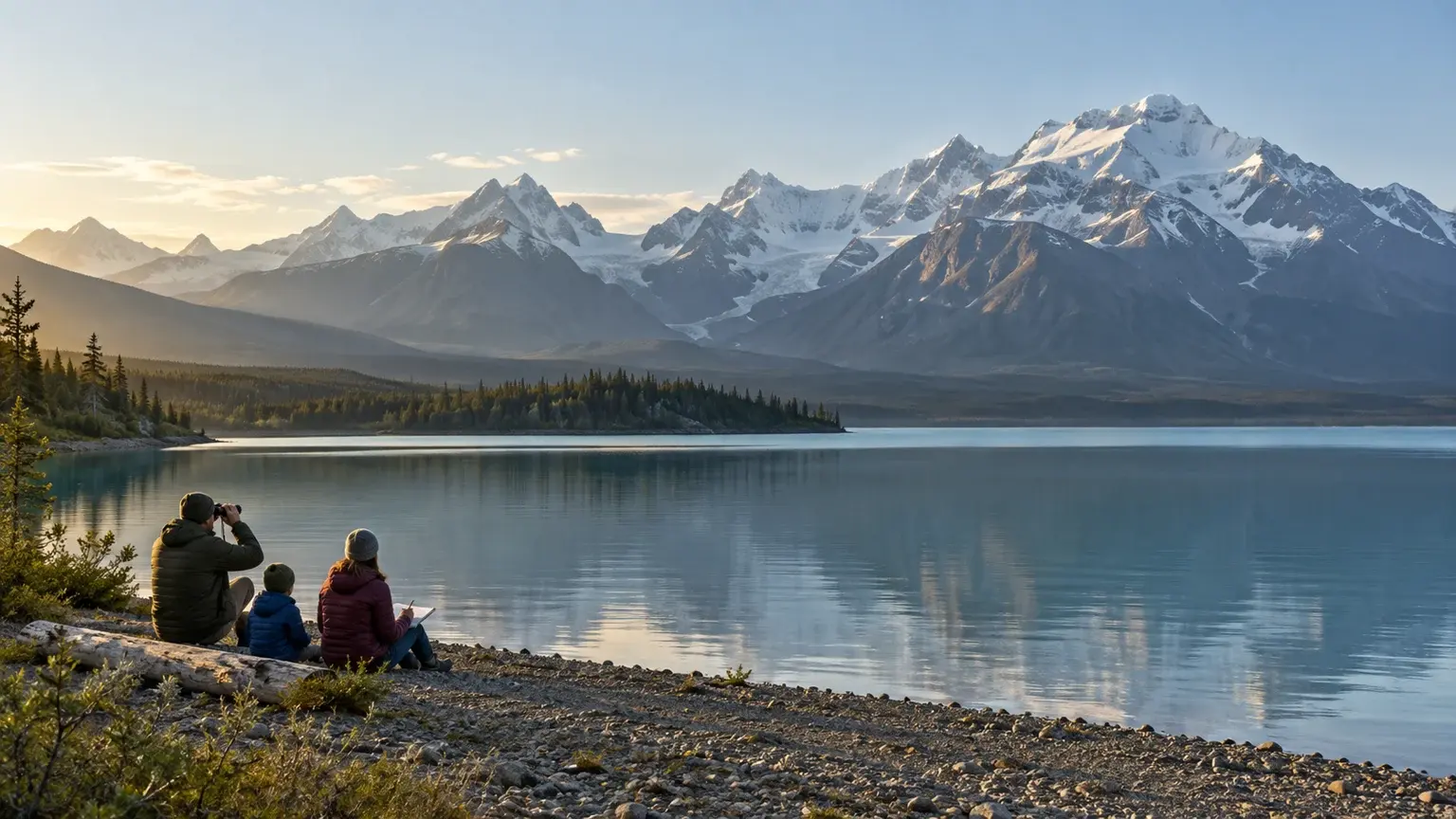
Kluane’s scale is part of its beauty and its planning challenge. Begin at the park’s eastern edge, use Haines Junction as an informed base and choose a day that fits the road, weather and your group’s actual experience.
Open the guide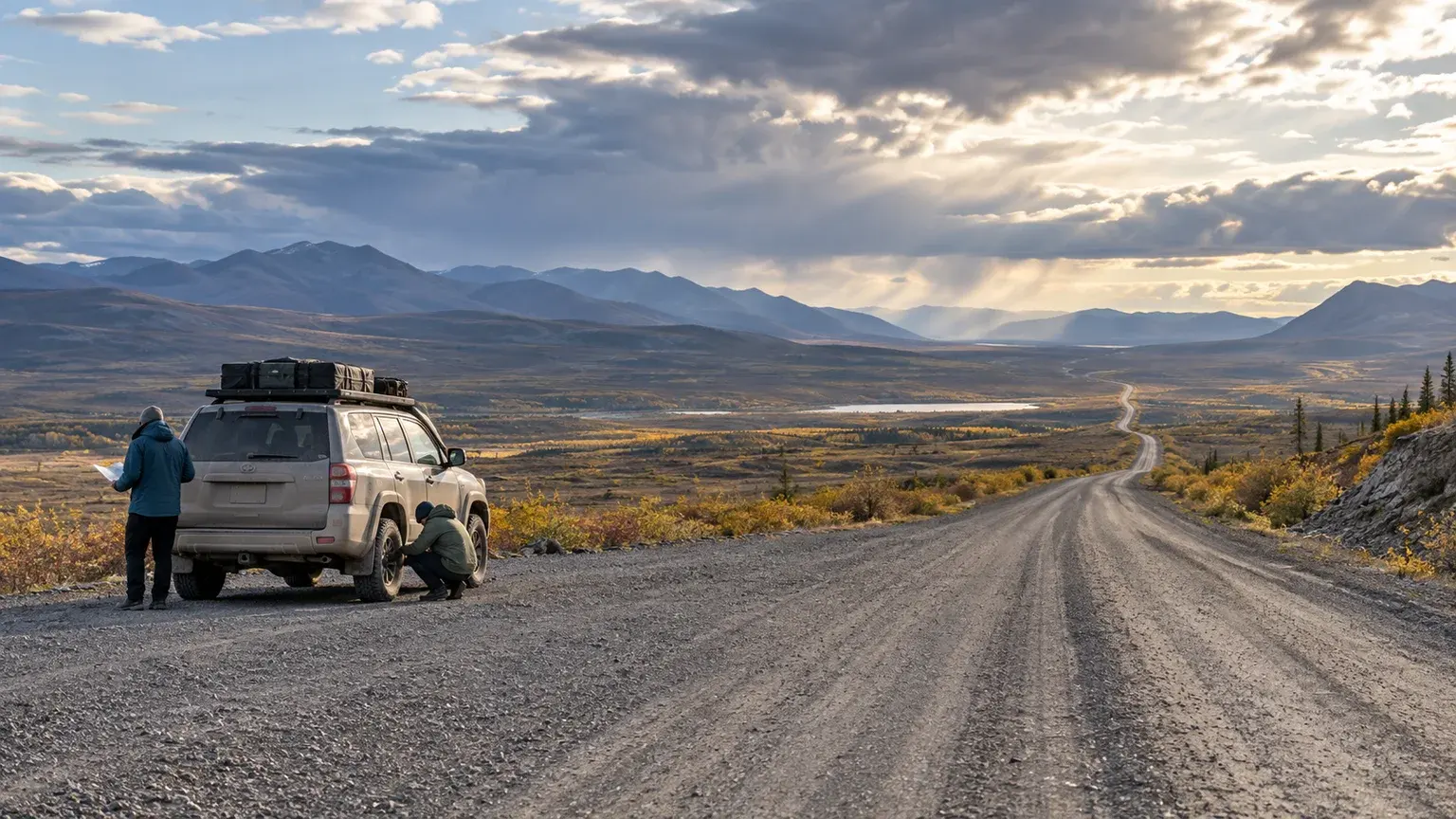
Yukon · Northwest Territories
Dempster Highway Road Trip Guide
The Dempster is not a road to squeeze between other stops. Treat fuel, road conditions, weather and overnight planning as part of the itinerary, then let the northern landscape set the pace.
Open the guide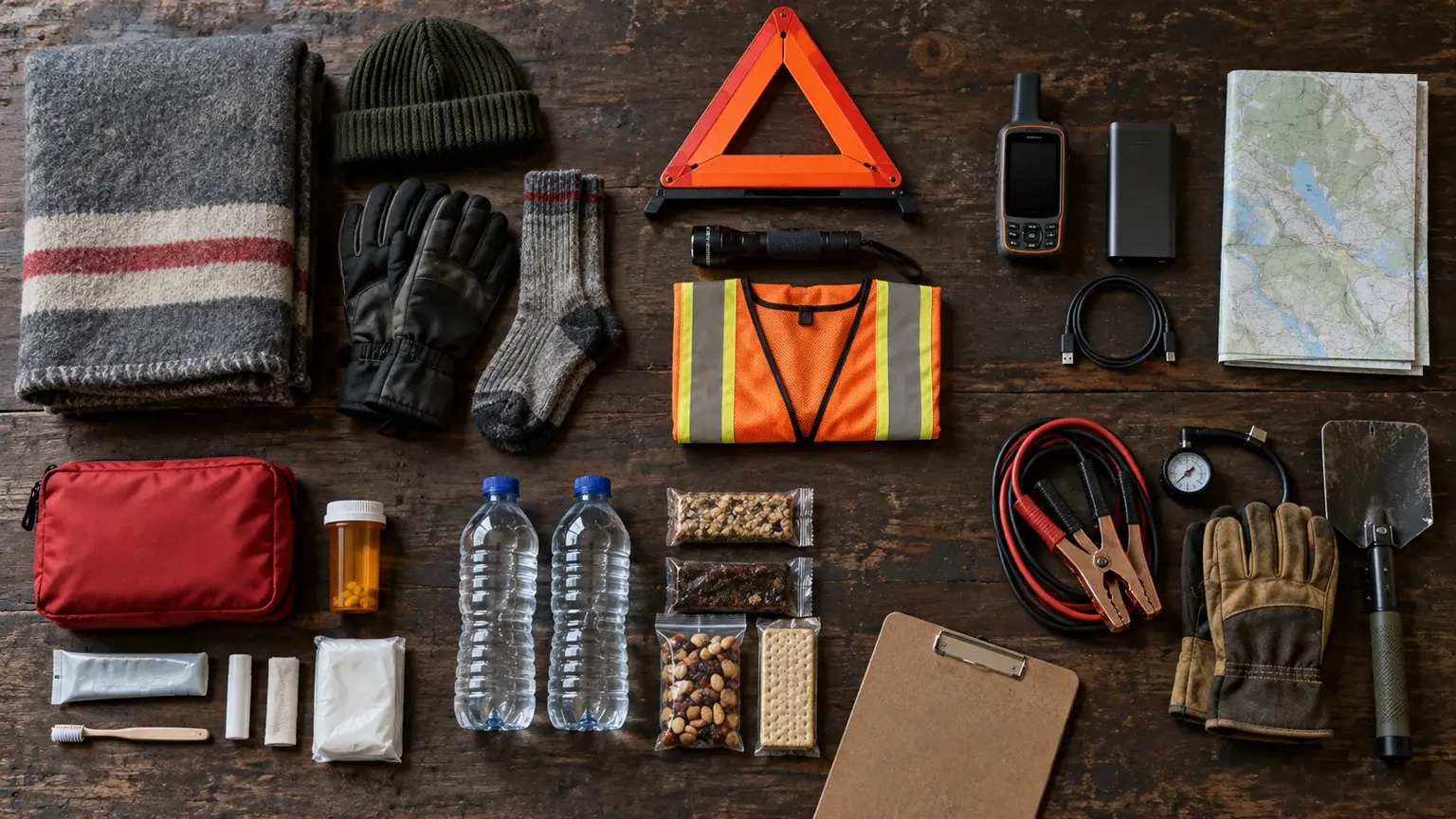
Remote roads · Emergency kit
Remote Canadian Road Trip Emergency Kit
An emergency kit should buy time, make the vehicle visible and help you communicate. It cannot compensate for a closed road, an unsuitable vehicle or a route no one else knows.
Open the guide