
British Columbia · Ferry planning
Vancouver Island Ferry Route Planner
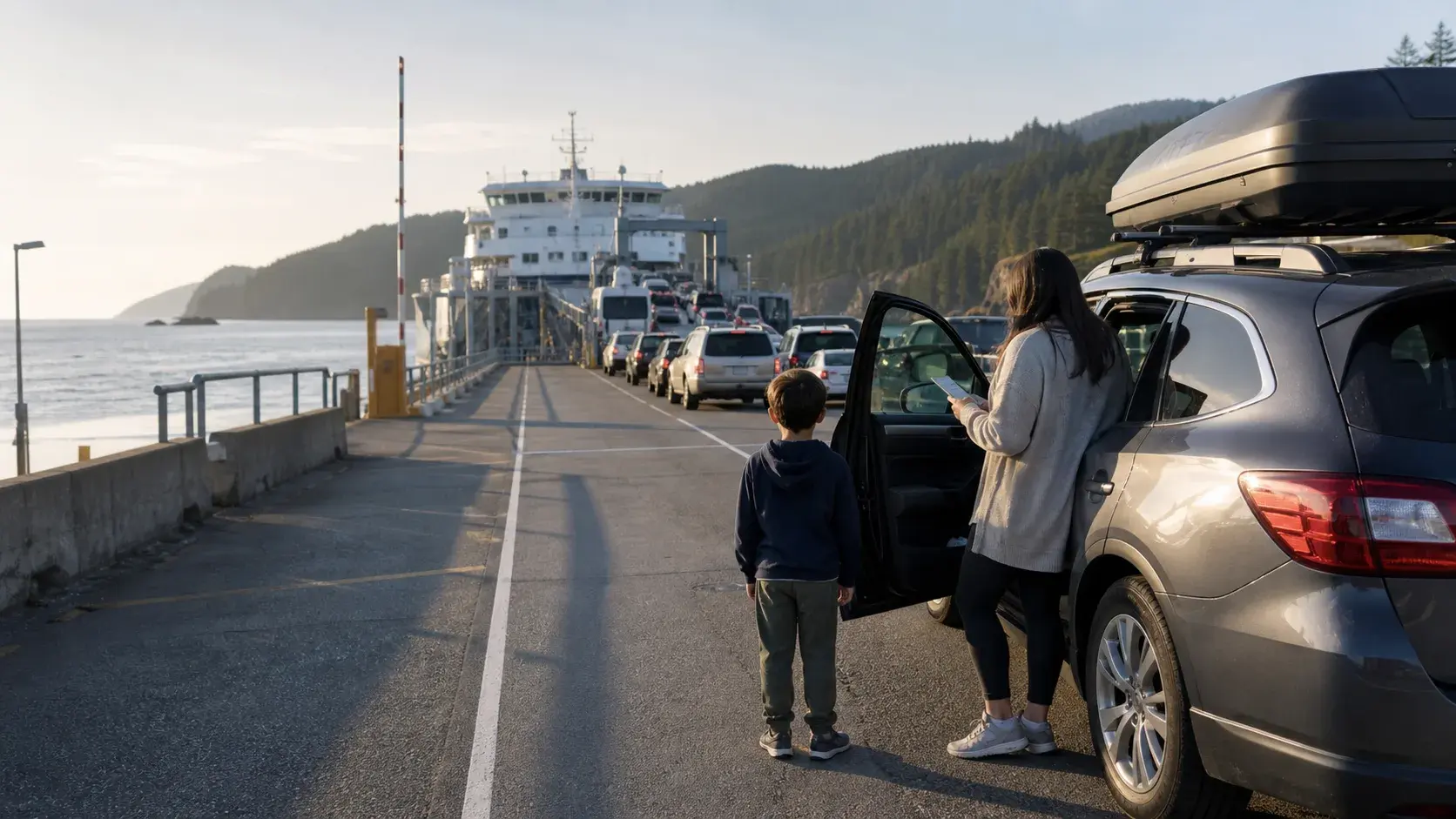
The ferry is the first part of the road trip, not a delay before it. Choose the terminal that puts you closest to your first overnight and keep the first island day intentionally light.
- Region
- Metro Vancouver and Vancouver Island, British Columbia
- Best for
- First-time Vancouver Island visitors, families and coastal road-trip travellers
- Season
- Year-round; reservations and live conditions matter most during busy travel periods
- Time
- A planning guide for a ferry day and the first island overnight
By Horizon Outdoor Editorial TeamPublished 2026-08-30
Quick facts
- Main choices
- Tsawwassen-Swartz Bay, Tsawwassen-Duke Point or Horseshoe Bay-Departure Bay
- Best route rule
- Choose the arrival terminal closest to your first overnight
- Before departure
- Confirm the route, booking terms, current conditions and road conditions
- First-day pace
- Keep arrival light enough to absorb a wait, delay or tired passengers
Choose the island arrival point before choosing a sailing
Start with the first place you plan to sleep, then work backward to the ferry terminal. Swartz Bay usually gives a cleaner start for Victoria and the south island, while Duke Point and Departure Bay place you in the Nanaimo area for a central-island, northbound or west-coast road trip.
The useful question is not simply which sailing looks fastest. It is which arrival leaves the least complicated drive after the boat. A family arriving with groceries to collect, a child who needs a reset or unfamiliar roads ahead benefits from a terminal and overnight pairing that leaves room for ordinary delays.
Save the scenic detours for a day when the ferry is no longer setting the clock. A quiet first evening on Vancouver Island can be the decision that makes the next morning feel like the real start of the trip.
- Tsawwassen-Swartz Bay for Victoria and the south island
- Tsawwassen-Duke Point for a Nanaimo-area, central-island or northbound start
- Horseshoe Bay-Departure Bay when that terminal and approach fit your day
- A first overnight that still works if the crossing takes longer than hoped
Match the Vancouver terminal to the rest of your day
Tsawwassen and Horseshoe Bay solve different route problems, and the drive to either terminal is part of the ferry day. Before you commit, look at where you are starting that morning, how much city or highway traffic you may need to cross and whether the family will still be comfortable after the terminal approach and sailing.
Keep the booking reference, route name and terminal address in one easy-to-find place rather than relying on a last-minute search. BC Ferries publishes route-specific schedule and travel information, and the details can vary by route, direction and booking type.
Plan to reach the terminal with enough margin to follow signs, find the correct lane or passenger area and handle the small tasks that become harder when children are hungry or someone needs a washroom.
- Build the drive to Tsawwassen or Horseshoe Bay into the itinerary
- Check the terminal approach before leaving your accommodation
- Do not treat a booked sailing as permission to arrive at the last minute
- Keep the terminal, route and sailing confirmation easy to reach
Reserve for certainty, then read the booking you made
A reservation is most valuable when the rest of the trip depends on it: a first-night stay, a rental-car return, a child nap window or a short holiday weekend. BC Ferries offers booking tools and route information, but the fare choices, available space and terms attached to a trip can change.
The route name deserves a deliberate second look. Nanaimo is served by more than one terminal, and a booking to the wrong one can quietly add a long drive to the end of the day. Before paying, check the travel direction, terminal, vehicle details where applicable and every passenger on the reservation.
Before departure, use the current BC Ferries information rather than relying on a screenshot or an old itinerary email. If a booking screen does not fit the day, compare another time, terminal or first-night plan before compressing the rest of the trip.
- Book early when your travel day cannot move
- Confirm the direction, terminal, passenger count and vehicle details
- Read current change, cancellation and check-in terms in your confirmation
- Treat unavailable space as a reason to adjust the plan, not guess
Use an arrival buffer that protects the whole day
Think of the published departure time as one point inside a larger travel block. With a booking, the route-specific check-in guidance still matters. Give yourself additional time before that window for traffic, fuel, a wrong turn, rental-car friction or the simple reality of getting a family out the door.
On the travel day, check both the ferry and the road. BC Ferries current conditions and terminal information can show service changes, while DriveBC helps with road events, conditions and highway cameras for the approach or onward drive.
A calm buffer does not guarantee a perfect crossing. It gives you a better chance of responding without turning the rest of the trip into a scramble.
- Aim for the current booking check-in window with extra approach time
- Check BC Ferries current conditions on the day of travel
- Check DriveBC for the terminal approach and first island driving leg
- Keep the first reservation after arrival flexible whenever possible
Pack a ferry day bag, not the whole vehicle
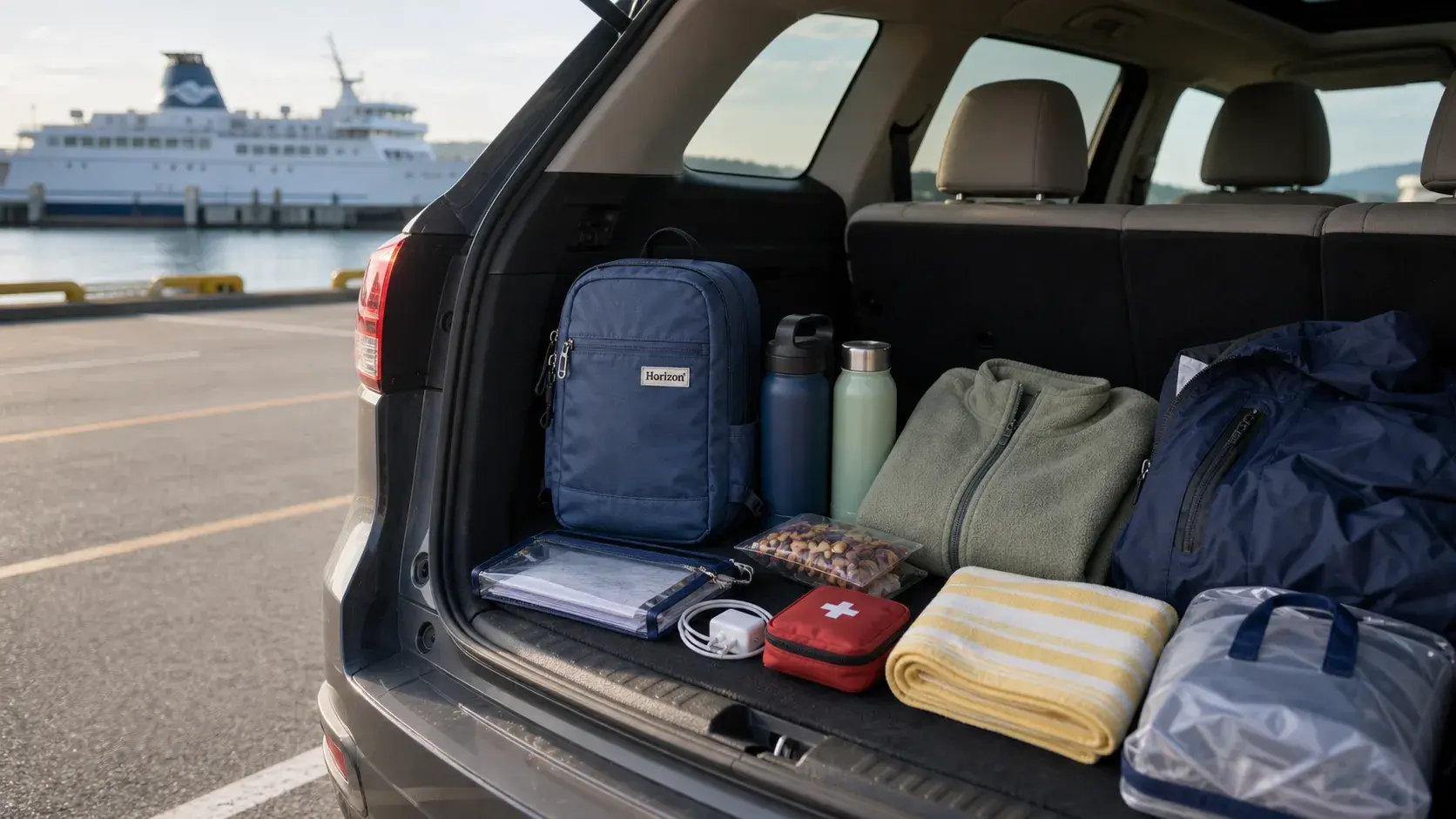
Put the things you will use between the terminal and the first island stop in one small bag. The car deck is not the place to discover that medication, a warm layer or the charger is buried under luggage. A simple ferry day bag makes boarding easier and lets the family move without turning the crossing into a packing exercise.
Pack for comfort rather than for a perfect forecast. Water, snacks, sun protection and a light outer layer are small additions that help across terminal queues, outdoor decks and the first roadside stop.
BC Ferries safety and boarding guidance can affect whether passengers remain near vehicles during the sailing. Bring up what you expect to need and follow crew directions once aboard.
- Booking reference, travel documents, wallet and phone charger
- Water, simple snacks and child-specific food or medication
- Warm layer, rain shell and sun protection for coastal changes
- Headphones, a small activity and a compact stroller or carrier if useful
Make a delay backup before the delay happens
A good backup plan is modest: a later dinner, a grocery stop instead of a beach stop and an accommodation check-in that does not depend on one exact minute. Avoid placing a fixed activity, a long night drive and a ferry crossing on the same day.
If a crossing runs differently than expected, a quiet first evening can still feel like the beginning of the trip rather than a plan that failed. Move optional sightseeing to the next day and keep the first island drive short enough that the family can recover.
If service conditions change, compare alternatives with the same care you used for the original plan. Another terminal helps only if the drive there, the arrival point and the island road conditions still make sense for your group.
- Choose a first-night plan that tolerates a later arrival
- Keep one simple food, fuel and washroom stop in mind after arrival
- Move optional sightseeing to the next day if conditions shift
- Use official ferry and road updates before changing routes
Common planning mistakes
- Choosing the ferry before choosing the first island overnight
- Booking Nanaimo without confirming whether the arrival terminal is Duke Point or Departure Bay
- Planning to reach the terminal exactly at the cutoff instead of allowing for the approach
- Leaving medication, warm layers, snacks or chargers buried in the vehicle
- Scheduling a long drive, a fixed activity and a ferry crossing on the same arrival day
Printable companion
Download the family road trip checklist
A printable family list for car comfort, weather changes, food stops, simple outdoor days and backup plans.
Download the free PDFQuestions travellers ask
Which Vancouver Island ferry route should I take from Vancouver?
Choose the route that best matches your first overnight and next day. Tsawwassen-Swartz Bay is the natural south-island option; Tsawwassen-Duke Point and Horseshoe Bay-Departure Bay arrive in the Nanaimo area. Confirm current route availability, terminal details and schedules with BC Ferries before booking.
Do I need to reserve a ferry to Vancouver Island?
A reservation is useful when your travel day or accommodation cannot move, especially during busy periods. Booking rules and available space vary by route, date and direction, so check the official route information for your exact trip.
How early should I arrive for a booked ferry?
Use the check-in window shown for your exact booking and route. Add your own buffer for traffic, terminal wayfinding, rental-car logistics and family needs.
What should I do if my ferry day is delayed?
Check BC Ferries current conditions, then check DriveBC before changing your road plan. Keep the first island evening flexible, skip optional stops if needed and avoid choosing an alternative terminal unless its onward drive still suits your party.
Sources and currency
Conditions change. Confirm dynamic details again before departure; each source shows its own last-checked date.
- BC Ferries: Book sailings and view route options (2026-08-30)
- BC Ferries: Route schedules and check-in information (2026-08-30)
- BC Ferries: Travel tips for ferry passengers (2026-08-30)
- BC Ferries: Fare choices and booking terms (2026-08-30)
- BC Ferries: Current conditions and departures (2026-08-30)
- BC Ferries: Driving onboard and vehicle-deck guidance (2026-08-30)
- DriveBC: Current road conditions, events and highway cameras (2026-08-30)
Continue planning
Related field guides
BC ferry travel · Car packing
BC Ferries Car Packing Checklist
Use a calm two-zone system for driving onto BC Ferries: keep the car ready for the road ahead and carry the essentials you may need while the vehicle is out of reach.
Open the guide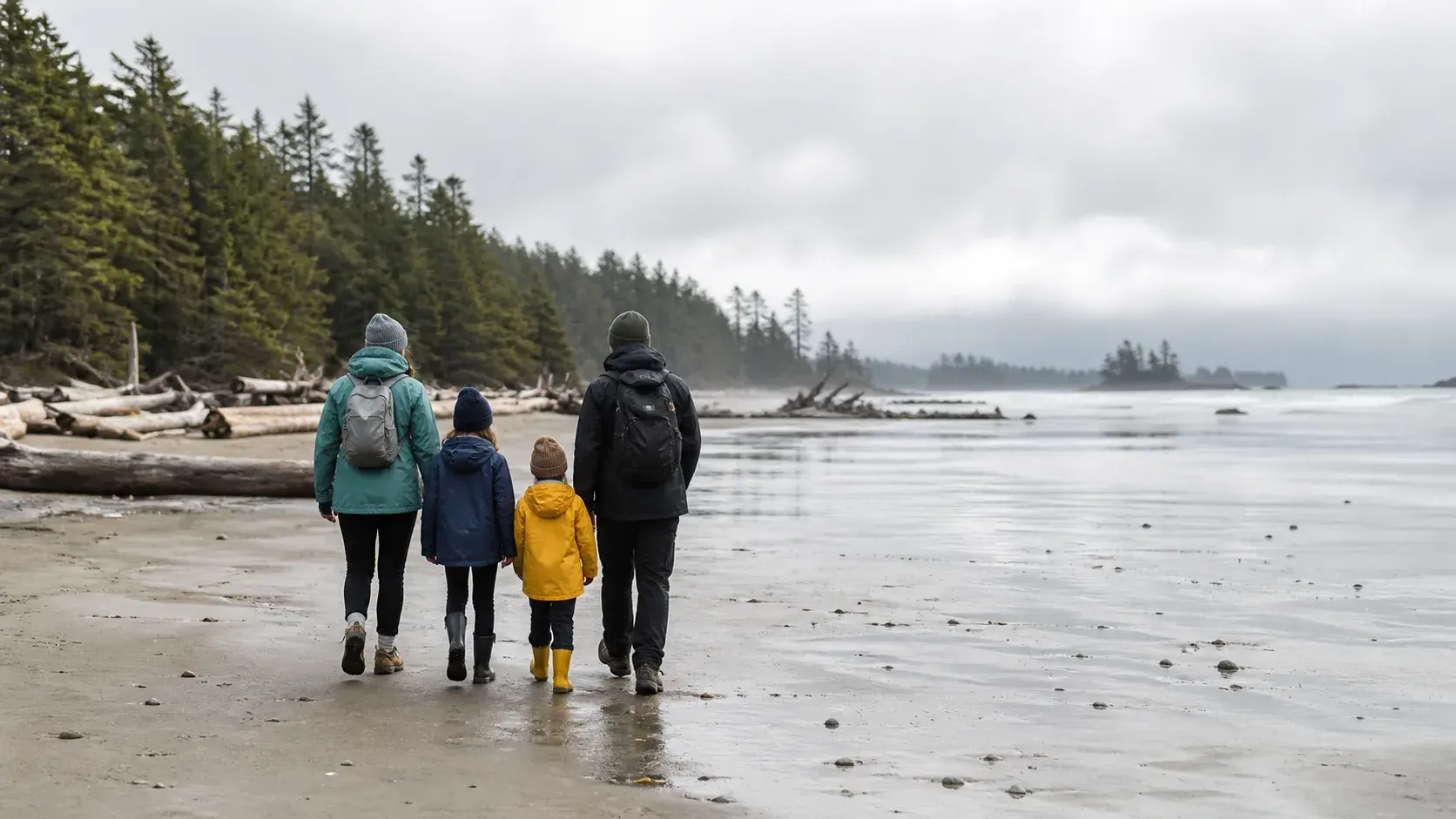
British Columbia · Ferry to Pacific coast
Vancouver to Tofino Family Road Trip Guide
The route to Tofino works best when the ferry, Highway 4 and wet-coast weather are planned as part of the trip instead of treated as obstacles.
Open the guide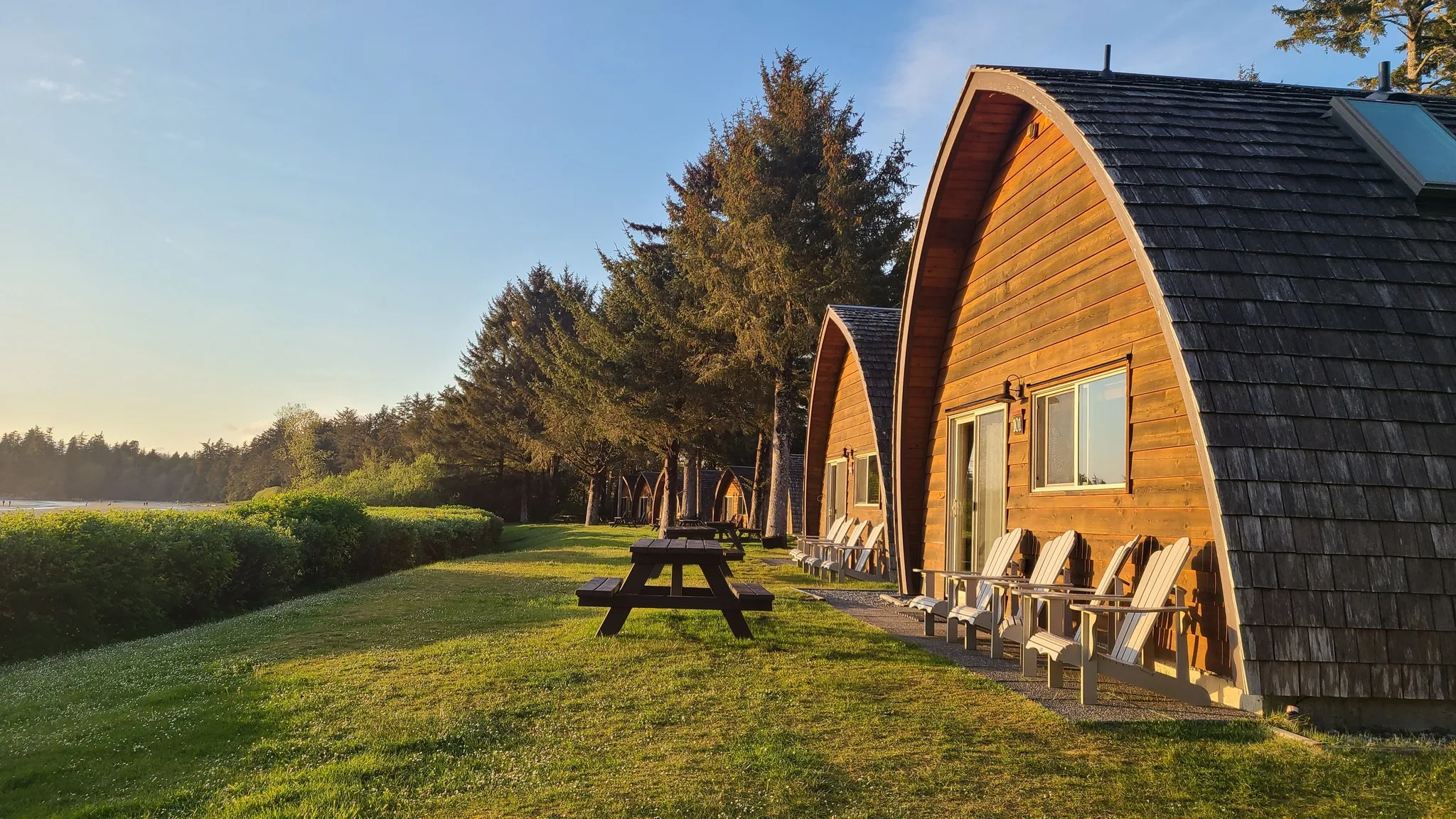
British Columbia · Coast and forest
Vancouver Island Loop Road Trip Guide
This is an island trip, not a race around a ring. Ferry timing and cross-island drives set the structure; beaches, forests and communities give it character.
Open the guide