
British Columbia · Ferry to Pacific coast
Vancouver to Tofino Family Road Trip Guide
The route to Tofino works best when the ferry, Highway 4 and wet-coast weather are planned as part of the trip instead of treated as obstacles.
- Region
- Vancouver to Tofino and Pacific Rim National Park Reserve, British Columbia
- Best for
- Families and first-time visitors travelling from Vancouver
- Season
- Year-round; ferry availability, road conditions, weather and park operations vary
- Time
- 4 to 6 days
By Horizon Outdoor Editorial TeamPublished 2026-08-30
Quick facts
- Trip shape
- Vancouver ferry crossing, central-island drive and west-coast base
- Comfortable pace
- One island overnight each way, plus two or more nights near Tofino
- Departure checks
- BC Ferries, DriveBC, weather and Pacific Rim bulletins
- Coastal rule
- Treat tide, surf, cold water and posted hazards as part of every beach plan
Make the crossing part of the trip
From Vancouver, the ferry is the first piece of the road trip, not a small delay before it begins. Choose the terminal and sailing that give your family enough time to arrive, board, eat and settle in without turning the morning into a race.
A Nanaimo-area arrival puts the west-coast drive within reach, but it does not make Tofino a casual same-day add-on. For many first visits, an overnight in Nanaimo, Parksville or another central-island base creates a gentler start and leaves room for the coast later.
If the ferry day shifts, simplify the island day rather than compressing it. A quiet arrival, dinner and dry clothes can be a better beginning than forcing a beach stop after everyone has used up their patience.
- Choose your Vancouver Island ferry terminal before reserving accommodation
- Check the route current schedule, booking rules and service notices
- Keep snacks, water, a warm layer and a simple activity within easy reach
- Treat a missed or shifted sailing as a reason to simplify the day
Use an overnight pace that leaves room for the island
A four-day trip can work when the goal is a focused west-coast stay: travel to the island, spend two nights near Tofino or Ucluelet, then return with a protected ferry day. Five or six days is more comfortable for families who want fewer long transitions and one quiet weather buffer.
Avoid placing a major beach plan on the same day as the ferry and Highway 4. A later arrival can still be a good arrival when the only plan is dinner, dry clothes and a familiar place to sleep.
Protect the final island night as carefully as the first. Staying close enough to your return terminal makes the last day less fragile if rain, road work, tired children or ferry conditions change the plan.
- Four days: island arrival, two west-coast nights and return crossing
- Five days: add one central-island overnight on either leg
- Six days: use two-night bases and leave one day open for weather
- Keep the final island night close enough to protect the return ferry
Give Highway 4 your daylight and attention
Parks Canada describes the Highway 4 approach from Port Alberni to the Long Beach area as a steep, twisting route that takes at least 90 minutes. It is also the final section of a longer island drive, so build the day around food, washroom and stretch breaks before the road becomes more winding.
Road work, incidents, weather and closures can change the practical route without much warning. Check DriveBC before leaving your overnight base and again before the return drive. Use the official report rather than a saved travel-time estimate.
For families, daylight is a planning tool. The cross-island drive is easier when everyone has eaten, layers are reachable and the last stretch is not being driven after a full beach day.
- Plan the Port Alberni-to-coast stretch as a separate driving block
- Use safe pullouts only and let faster traffic pass when needed
- Carry food, water and a dry layer before leaving larger communities
- Check DriveBC for Highway 4 conditions, events, closures and webcams
Stay long enough for one calm coastal day
Tofino and the Long Beach Unit are easier with a single west-coast base than with a different room every night. A two-night stay gives a family one arrival day and one full day that can be shaped around energy, rain and the conditions at the shore.
For a first visit, keep the focus close: one beach area, one short forest walk or visitor-centre stop and an unhurried meal or indoor reset. Pacific Rim National Park Reserve includes distinct units, and the more remote experiences need their own planning.
Confirm park entry requirements, current bulletins, facility hours and seasonal services before deciding how much to schedule. The coast is easier to enjoy when the day has room to change.
- Book at least two nights in one Tofino or Ucluelet-area base
- Start with the Long Beach Unit and nearby communities
- Confirm park entry requirements, facility hours and current bulletins
- Choose one anchor activity each day instead of chasing every beach
Let rain change the plan, not end it
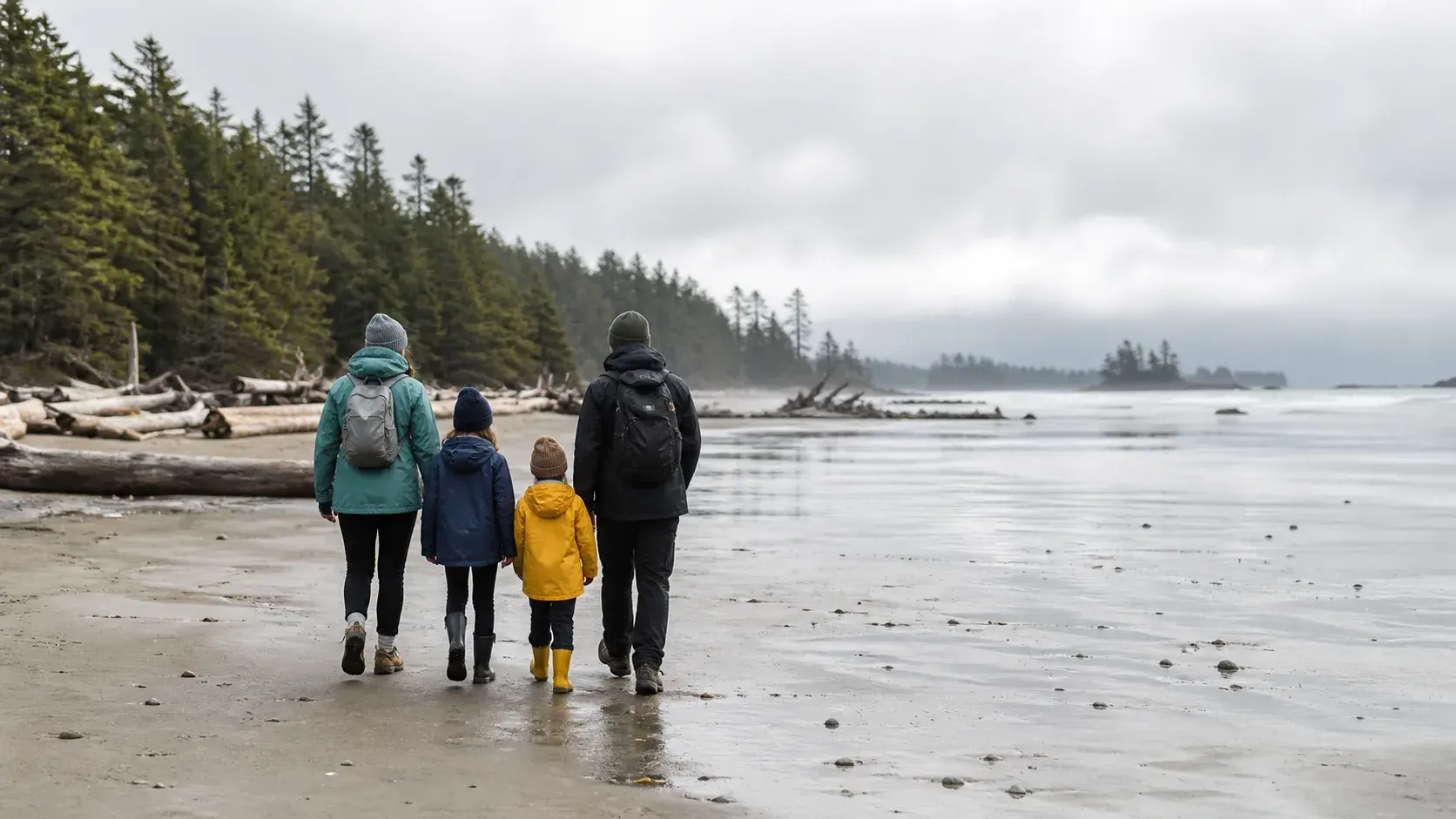
West-coast weather is part of the setting, and a useful family day does not need a clear forecast. Pack so that a short rainy beach walk, a damp forest path and a warm indoor stop can sit in the same day without everyone becoming cold and uncomfortable.
Use the official forecast and alerts before choosing the day outdoor window. A rain plan should be shorter, warmer and easier to leave than the clear-weather plan. It should not be the same itinerary with wet clothing added.
If children are cold, tired or done with the beach, return to the car, a cafe, the visitor centre or your accommodation. The success of the day is not measured by staying outside the longest.
- Check the destination forecast and active weather alerts before leaving
- Bring rain shells, warm layers, towels and waterproof storage
- Keep one indoor or low-exposure backup in the day plan
- Return to the car or accommodation early when children are cold or wet
Keep beach time close to the conditions
Pacific beaches are not supervised swimming areas. Parks Canada warns visitors to consider cold water, large waves, rip currents, tides and rolling beach logs. Conditions that look calm from a parking area can change quickly at the shoreline.
Make beach time a shared family activity, not a moment for adults to look away. Check the park current safety information, keep children close, watch the water and move inland when the shore no longer feels comfortably predictable.
When conditions are poor, choose a forest walk, visitor-centre stop or town alternative. A conservative change protects the trip better than trying to prove the beach plan can still work.
- Check tide, surf, weather and park notices before heading out
- Keep children within direct adult supervision near the water
- Stay clear of moving water, unstable drift logs and exposed rocky edges
- Choose a forest, visitor-centre or town alternative when conditions are poor
Common planning mistakes
- Booking a ferry, a full Highway 4 drive and a major beach outing into the same arrival day
- Assuming an old driving-time estimate still reflects construction, weather, traffic or a road event
- Treating Tofino as a one-night stop rather than leaving enough time for a weather-adjusted coastal day
- Packing for a sunny beach while leaving dry layers, towels and rain protection buried in the car
- Letting children play near cold water, waves or drift logs without close adult supervision and a current safety check
Printable companion
Download the family road trip checklist
A printable family list for car comfort, weather changes, food stops, simple outdoor days and backup plans.
Download the free PDFQuestions travellers ask
How many days do families need for Vancouver to Tofino?
Four days can support a focused visit, but five or six days usually gives families a more comfortable rhythm: an island overnight, at least two nights near Tofino or Ucluelet and a protected return-ferry day.
Can we drive from the ferry terminal to Tofino in one day?
It is possible, but it can be a long and tiring day. Parks Canada describes the Highway 4 section west of Port Alberni as steep and twisting, and says to allow ample time. Check BC Ferries and DriveBC on the day, then choose an island overnight if the timing feels tight.
What should we do if it rains in Tofino?
Keep the day smaller rather than cancelling it outright: a short forest or beach walk in proper layers, followed by an indoor meal, visitor-centre stop or accommodation reset can work well. Check the forecast, alerts and local conditions first.
Is Pacific Rim beach time safe for children?
Beach time needs active supervision and current-condition checks. Parks Canada identifies cold water, large waves, rip currents, tides and rolling logs as hazards; choose a different activity when the shoreline is not clearly suitable for your group.
Sources and currency
Conditions change. Confirm dynamic details again before departure; each source shows its own last-checked date.
- BC Ferries: Schedules, bookings and current conditions (2026-08-30)
- DriveBC: Current road conditions, events and webcams (2026-08-30)
- Parks Canada: Pacific Rim National Park Reserve trip planning (2026-08-30)
- Parks Canada: Long Beach Unit visitor context (2026-08-30)
- Parks Canada: Pacific Rim hours of operation (2026-08-30)
- Parks Canada: Pacific Rim trail conditions (2026-08-30)
- Parks Canada: Pacific Rim safety and guidelines (2026-08-30)
- Parks Canada: Pacific Rim tides, waves and water hazards (2026-08-30)
- Parks Canada: Pacific Rim important bulletins (2026-08-30)
- Environment and Climate Change Canada: Canadian weather forecasts and warnings (2026-08-30)
- Tourism Tofino: Rainy-day planning ideas for Tofino (2026-08-30)
Continue planning
Related field guides
British Columbia · Ferry planning
Vancouver Island Ferry Route Planner
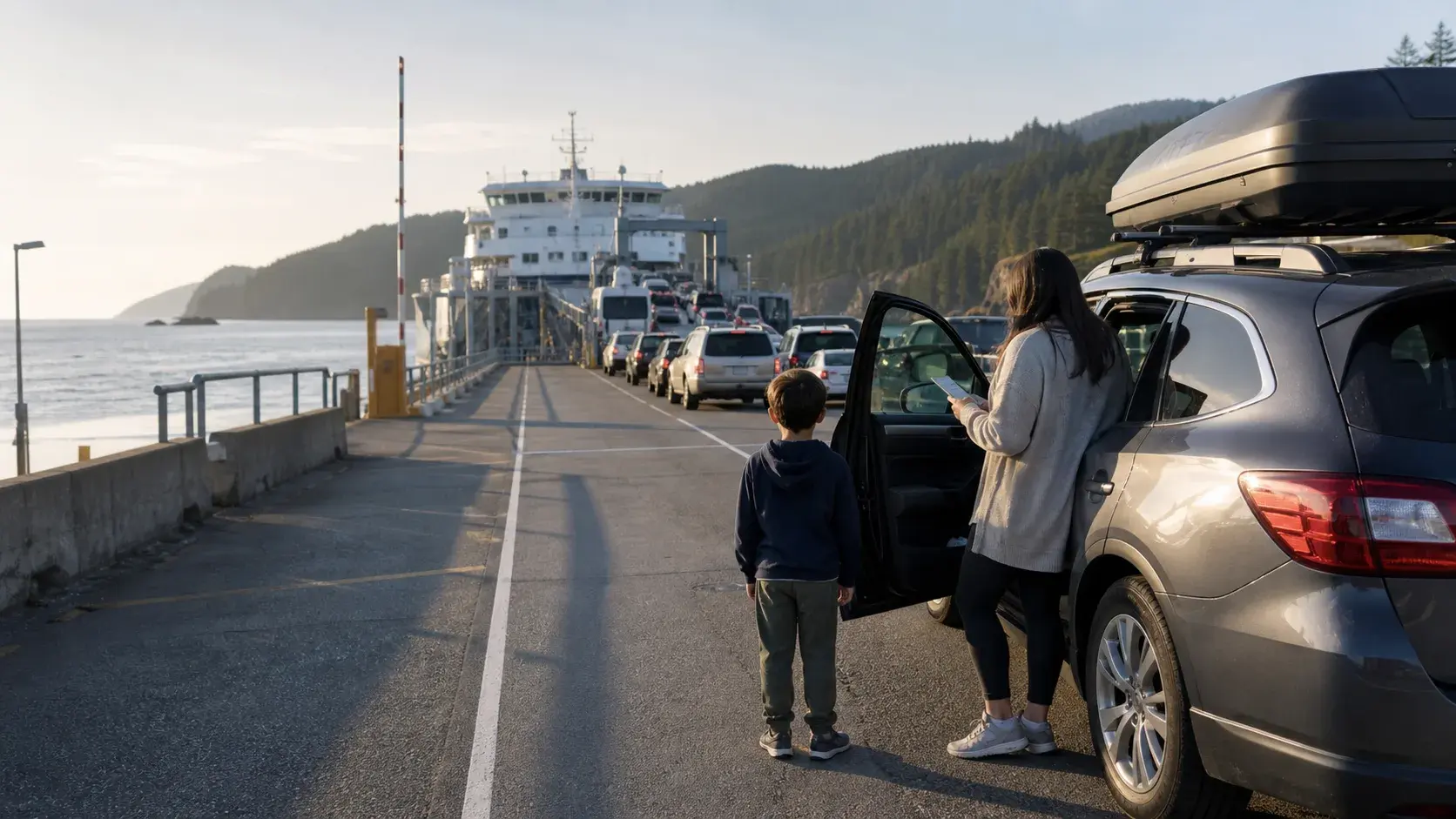
The ferry is the first part of the road trip, not a delay before it. Choose the terminal that puts you closest to your first overnight and keep the first island day intentionally light.
Open the guide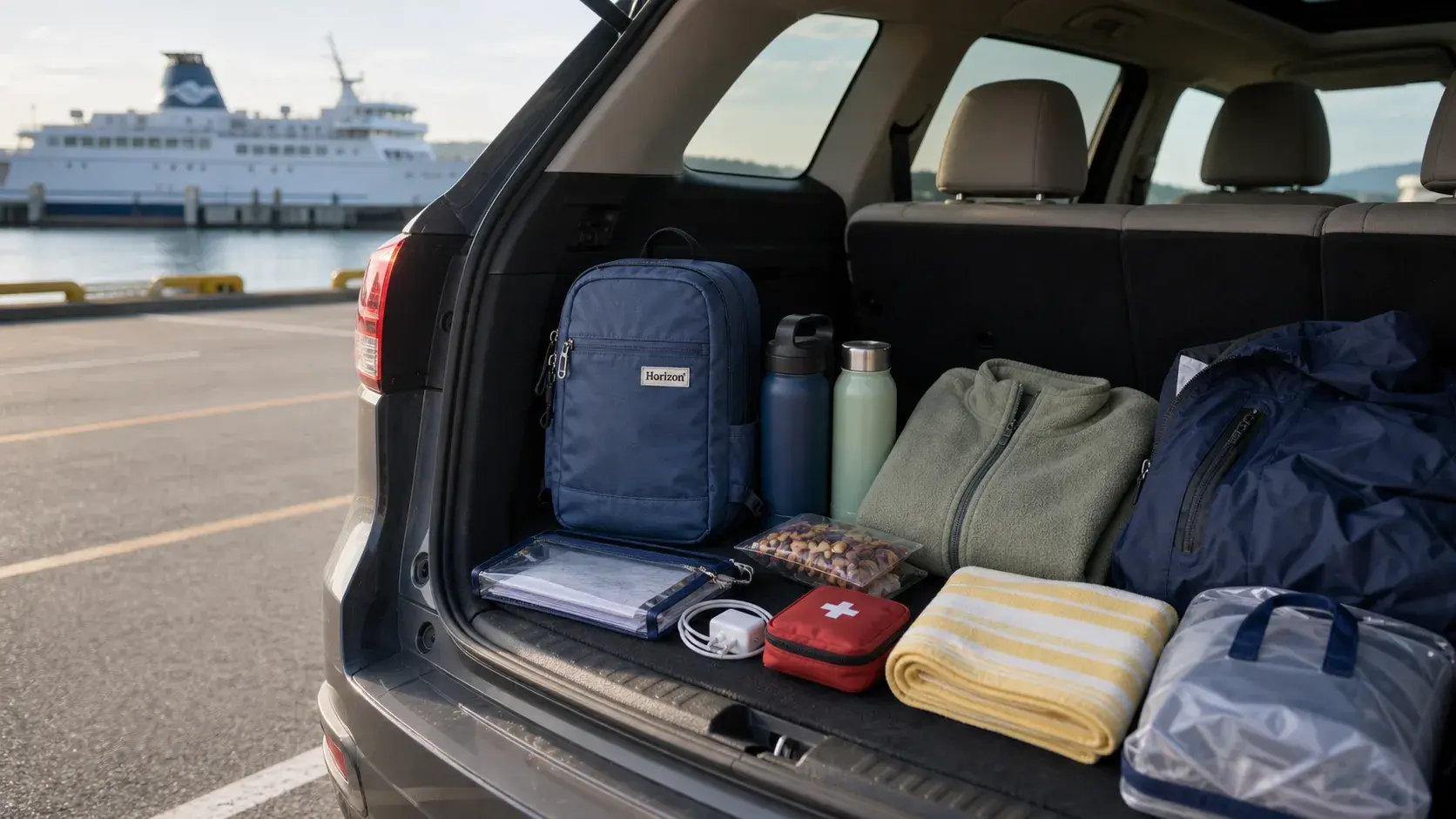
BC ferry travel · Car packing
BC Ferries Car Packing Checklist
Use a calm two-zone system for driving onto BC Ferries: keep the car ready for the road ahead and carry the essentials you may need while the vehicle is out of reach.
Open the guide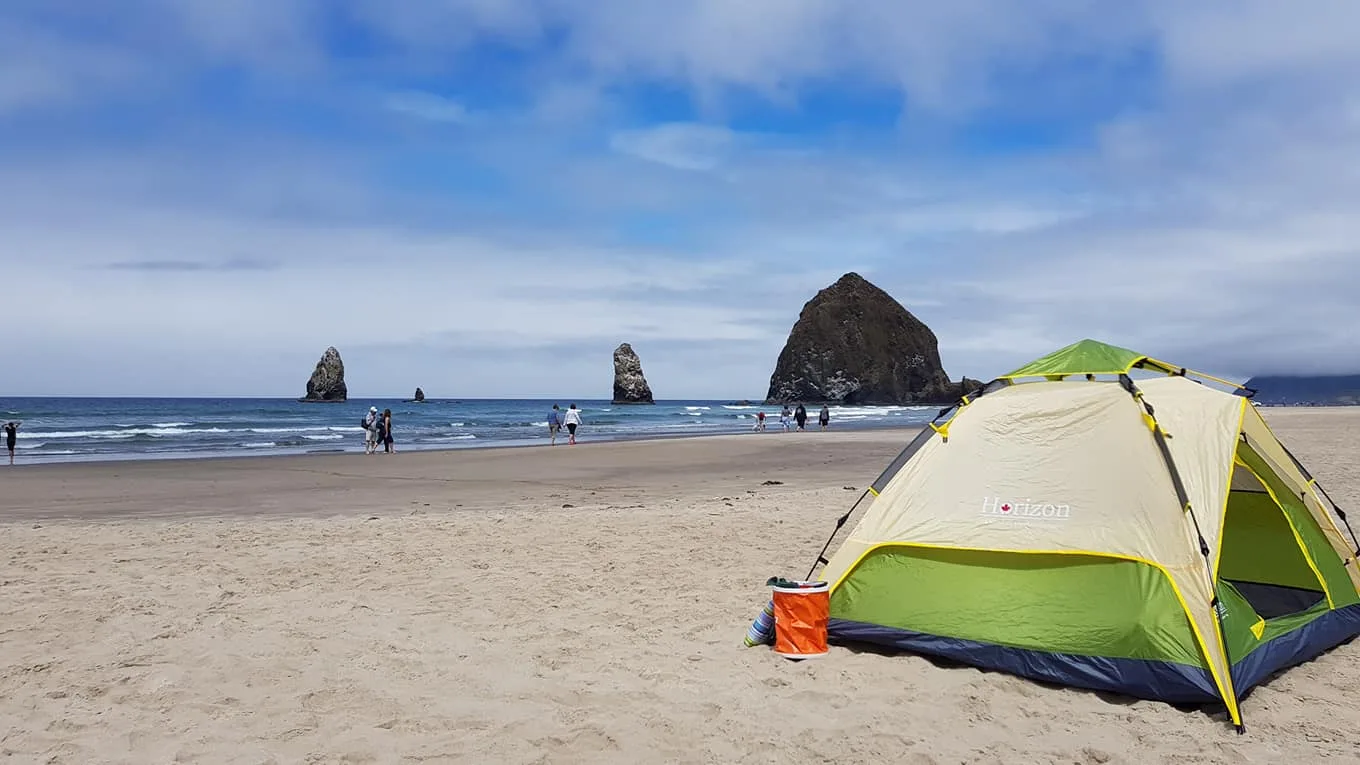
British Columbia · Pacific coast
Pacific Rim National Park Planning Guide
Pacific Rim rewards visitors who respect the coast’s scale. Give the island crossing and Highway 4 their own time, then let tides, weather and park notices decide how close the day gets to the water.
Open the guide